
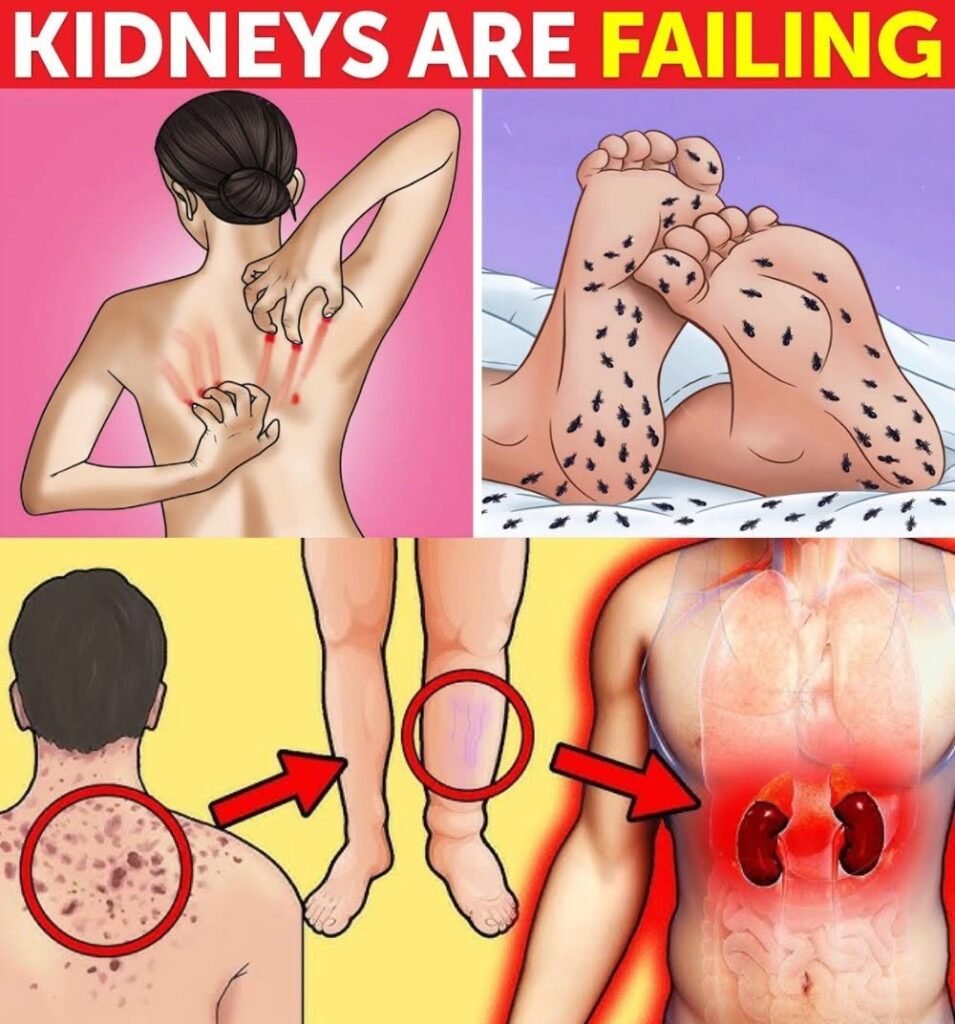
Supporting Kidney Health: Signs to Watch For and When to See a Doctor
Your kidneys play a vital role in your health. They filter waste from your blood, balance fluids and minerals, help regulate blood pressure, and produce hormones that support red blood cell production and bone health.
Important: Early kidney disease often causes no noticeable symptoms. Regular checkups and simple blood and urine tests are the best ways to detect kidney problems early.
Common Signs People Associate With Kidney Problems
These symptoms are not specific to kidney disease and can have many other causes. If they persist or worsen, speak with your healthcare provider.
- Changes in urination (frequency, amount, color, foamy urine, or blood in the urine)
- Swelling in the feet, ankles, legs, hands, or around the eyes
- Fatigue or unusual weakness
- Shortness of breath
- Nausea, vomiting, or loss of appetite
- Difficulty concentrating or mental fog
- Dry or itchy skin
- Muscle cramps
- A metallic taste in the mouth or persistent bad breath
- High blood pressure that is difficult to control
Note: Symptoms such as itching, swelling, or skin changes can occur for many different reasons. They do not confirm kidney disease. Blood tests, urine tests, and a medical evaluation are needed to assess kidney function.
Who Is at Higher Risk?
You may have a higher risk of kidney disease if you:
- Have diabetes
- Have high blood pressure
- Have a family history of kidney disease
- Are age 60 or older
- Have heart disease
- Regularly use certain pain relievers, especially nonsteroidal anti-inflammatory drugs (NSAIDs), unless directed by your healthcare provider
Daily Habits That Support Kidney Health
Stay Hydrated
Drinking enough water helps your kidneys function normally. Fluid needs vary based on your age, activity level, climate, and medical conditions, so follow your healthcare provider’s advice if you have kidney or heart disease.
Eat a Balanced Diet
Choose meals that include:
- Plenty of fruits and vegetables
- Whole grains
- Lean protein sources
- Foods lower in added salt and highly processed ingredients
Manage Blood Pressure and Blood Sugar
Keeping blood pressure and diabetes under good control is one of the most effective ways to protect kidney health.
Stay Physically Active
Aim for regular exercise such as walking, cycling, swimming, or strength training to support your overall health.
Avoid Smoking and Limit Alcohol
Both can increase the risk of kidney and cardiovascular disease.
Use Medications Safely
Avoid taking NSAIDs such as ibuprofen or naproxen more often or for longer than recommended unless advised by your healthcare provider, as they may affect kidney function in some people.
When to Seek Medical Care Promptly
Contact a healthcare provider promptly if you experience:
- Blood in your urine
- Significant or worsening swelling
- A sudden or major change in urination
- Persistent severe fatigue
- Ongoing nausea or vomiting
Seek emergency medical care if you develop:
- Chest pain
- Severe shortness of breath
- Confusion or difficulty staying awake
How Doctors Check Kidney Health
Kidney function is commonly evaluated with:
- A blood test to measure creatinine and estimate eGFR (estimated glomerular filtration rate)
- A urine test to check for protein (albumin) or blood
- Blood pressure measurement
- Additional tests or imaging if needed
Safety Notes
- No food, juice, tea, or “detox” product can flush, cleanse, or cure kidney disease.
- Be cautious of supplements or herbal remedies that claim to repair kidney function. Some may actually damage the kidneys.
- Protein, potassium, phosphorus, and sodium needs vary depending on kidney function. If you have kidney disease, a nephrologist or registered dietitian can provide personalized dietary guidance.
- Always tell your healthcare provider about any vitamins, herbal products, or supplements you take.
Final Thoughts
Supporting kidney health starts with healthy daily habits, regular medical checkups, and managing conditions such as diabetes and high blood pressure. Because kidney disease often develops without symptoms, routine blood and urine tests are especially important if you have risk factors.
If you notice persistent symptoms or have concerns about your kidney health, schedule an appointment with your healthcare provider. Early detection and treatment can help slow or prevent the progression of kidney disease.
I’m Alex Wari from Papua New Guinea in Ocenia Pacific..
I have Kidney problem since 2022 till now and I’m still needing help from those who willing to help me with their willing heart…
Thanks so much and God bless..