
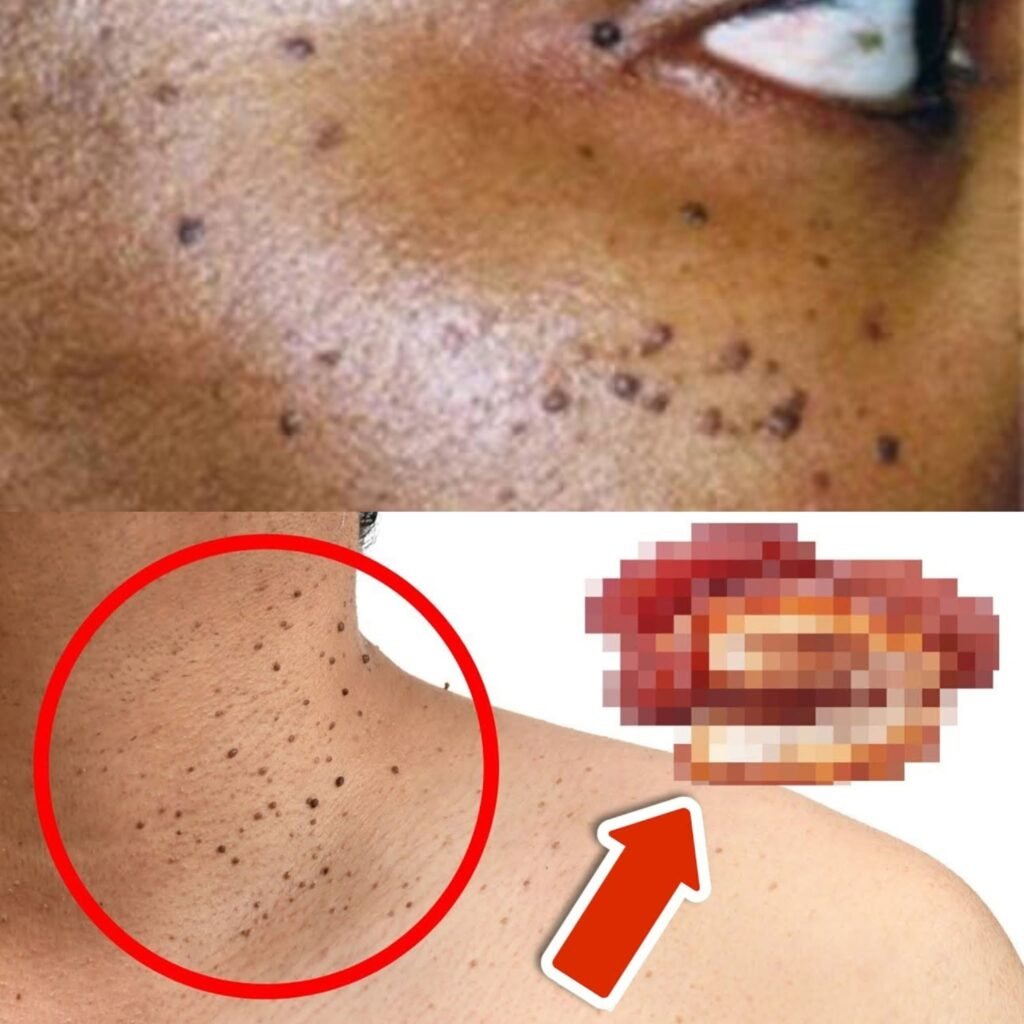
Small Skin Growths and Spots: Understanding Skin Health and When to See a Doctor
1. What Are Common Skin Growths?
Skin changes are common throughout life. Small spots, bumps, or growths may appear on the face, neck, chest, or other parts of the body. Most are harmless, but only a healthcare professional can determine exactly what they are.
Key points:
- Common: Many adults develop small skin spots or growths over time
- Common areas: Face, neck, chest, underarms, and skin folds
- Possible causes: Aging, genetics, friction, and sun exposure
- Diagnosis: A dermatologist can identify the type of skin growth
2. Common Causes of Skin Changes
Several everyday factors can affect the appearance of your skin.
Common factors include:
- Sun exposure over many years
- Natural aging of the skin
- Friction where skin rubs together
- Family history and genetics
- Hormonal changes
- Certain skincare products or irritation
3. When to See a Dermatologist
Avoid trying to remove skin growths yourself, especially on the face or neck.
See a dermatologist if you notice:
- A new growth that appears suddenly
- Changes in size, shape, color, or texture
- Bleeding, itching, pain, or irritation
- A growth that catches on clothing or jewelry
- Any skin change that concerns you
Early evaluation helps determine whether treatment is needed.
4. Tips for Healthy Skin
Good skincare habits help support healthy skin throughout life.
Daily skincare tips:
- Use a gentle cleanser and moisturizer
- Apply sunscreen (SPF 30 or higher) every day
- Wear protective clothing when outdoors
- Avoid picking or scratching skin growths
- Stay hydrated and eat a balanced diet
- Schedule regular skin examinations if recommended
5. Professional Care Options
A dermatologist can safely evaluate and manage skin concerns.
Professional care may include:
- Skin examination
- Assessment of medical and family history
- Monitoring harmless skin growths
- Safe removal if medically necessary or requested
- Advice on skincare products and sun protection
6. Final Note
Small skin growths and spots are common and are often harmless. However, changes in the skin should always be evaluated by a licensed dermatologist or healthcare provider rather than treated with home remedies. Professional evaluation is the safest way to receive an accurate diagnosis and appropriate care.
This article is for general educational purposes only and is not a substitute for professional medical advice, diagnosis, or treatment.