
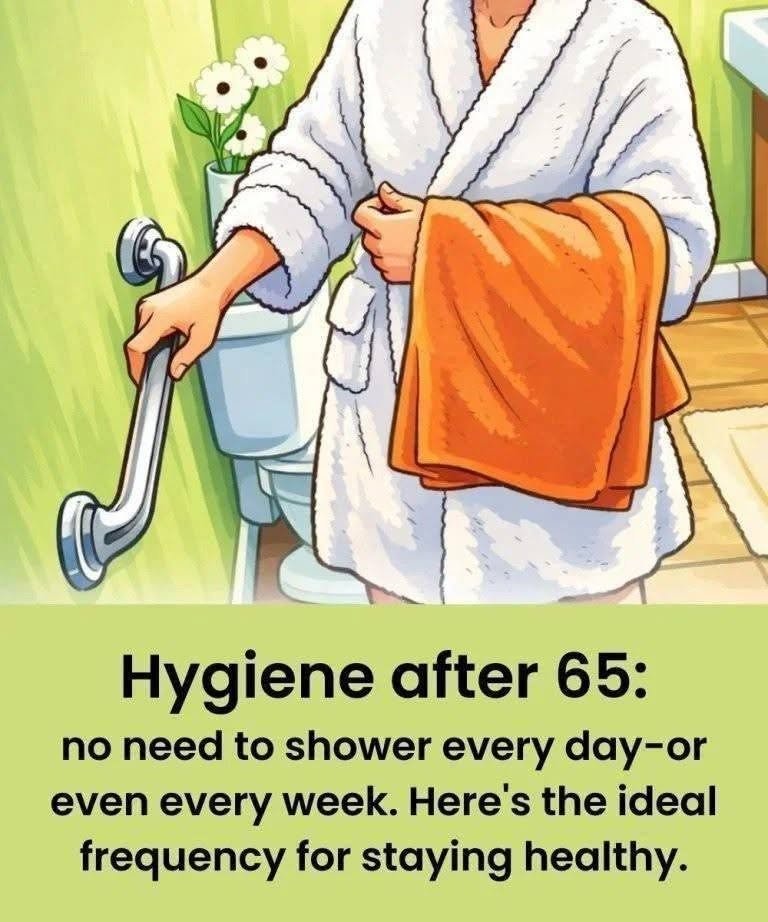
Should Adults Over 65 Shower Every Day? Dermatologists Explain the Best Bathing Routine for Healthy Aging
For many people, taking a daily shower has always been considered an important part of personal hygiene. However, as we grow older, our bodies undergo natural changes that affect the way our skin functions. What worked well in our 30s or 40s may not always be the healthiest routine after age 65.
Many dermatologists and geriatric healthcare professionals agree that daily showers are not always necessary for every older adult. In some cases, frequent bathing—especially with hot water and harsh soaps—can contribute to dry skin, itching, and irritation. The goal isn’t to avoid bathing but to find a routine that keeps the body clean while protecting aging skin.
Why Skin Changes After Age 65
As we age, the skin naturally becomes thinner, drier, and more delicate. Oil glands produce less sebum, the natural oil that helps keep skin soft and hydrated. At the same time, the skin’s protective barrier becomes less effective, allowing moisture to escape more easily.
These normal aging changes make older adults more likely to experience:
- Dry, flaky skin
- Persistent itching
- Skin tightness
- Redness and irritation
- Small cracks that may increase the risk of infection
Because aging skin is more fragile, gentle skincare becomes increasingly important.
Can Daily Showers Dry Out the Skin?
For many seniors, yes. Long showers with very hot water or strong soaps can remove the natural oils that protect the skin.
Over time, this may contribute to:
- Excessive dryness
- Increased sensitivity
- Irritated skin
- Worsening eczema in susceptible individuals
However, not every older adult experiences these problems. Some people tolerate daily showers well, particularly if they moisturize afterward and use gentle cleansing products.
How Often Should Older Adults Shower?
There is no single schedule that works for everyone.
Many dermatologists suggest that showering two or three times per week is enough for many healthy older adults, while maintaining good daily hygiene between showers.
The ideal bathing frequency depends on several factors, including:
- Physical activity level
- Climate
- Personal preference
- Skin condition
- Medical conditions
- Incontinence or caregiving needs
People who exercise regularly, sweat heavily, work outdoors, or have specific medical needs may require more frequent bathing.
Daily Hygiene Still Matters
Even if you skip a full shower, personal hygiene remains essential.
On non-shower days, consider:
- Washing your hands regularly.
- Cleaning your face.
- Washing underarms and the groin area.
- Practicing good oral hygiene.
- Wearing clean clothes and underwear.
- Using a warm, damp washcloth for gentle cleansing when needed.
These habits help maintain cleanliness while reducing unnecessary skin dryness.
Protect Your Skin During Every Shower
A few simple adjustments can make bathing much gentler on aging skin.
Use Lukewarm Water
Hot water feels relaxing but removes natural skin oils much faster. Lukewarm water is usually a better choice for maintaining healthy skin.
Choose Mild Cleansers
Dermatologists often recommend fragrance-free, moisturizing cleansers instead of harsh antibacterial soaps for routine use.
Gentle cleansers effectively remove dirt without excessively disrupting the skin’s protective barrier.
Keep Showers Short
Shorter showers reduce water exposure and help preserve skin moisture.
Moisturize Immediately
Apply a fragrance-free moisturizer within a few minutes after drying off while the skin is still slightly damp. This helps lock in moisture and reduces dryness.
Bathroom Safety Is Equally Important
For many adults over 65, showering also presents physical challenges.
Conditions such as arthritis, poor balance, muscle weakness, vision changes, or low blood pressure may increase the risk of slipping and falling.
Simple safety improvements include:
- Installing grab bars.
- Using non-slip bath mats.
- Sitting on a shower chair if needed.
- Ensuring adequate bathroom lighting.
- Keeping frequently used items within easy reach.
Preventing falls is an important part of healthy aging.
When Should You See a Healthcare Professional?
Consult your healthcare provider or dermatologist if you experience:
- Severe or persistent itching
- Cracked or bleeding skin
- Redness that does not improve
- Skin infections
- New rashes
- Sudden changes in skin appearance
Medical conditions such as eczema, psoriasis, diabetes, or circulation problems may require specialized treatment and personalized skincare recommendations.
Frequently Asked Questions
Is showering every day unhealthy after age 65?
Not necessarily. Some older adults tolerate daily showers without problems, while others develop dry or irritated skin. The best routine depends on individual health, skin type, and lifestyle.
Should seniors use antibacterial soap?
Routine use of harsh antibacterial soaps is usually unnecessary unless specifically recommended by a healthcare professional. Gentle, fragrance-free cleansers are often sufficient.
Is moisturizing really important?
Yes. Moisturizing after bathing helps strengthen the skin barrier, reduce water loss, and improve comfort.
Final Thoughts
Healthy aging often means adapting daily habits to meet the body’s changing needs. For many adults over 65, showering every day is not always necessary and may contribute to dry or irritated skin if proper skincare is neglected.
Using lukewarm water, gentle cleansers, regular moisturizers, and maintaining daily hygiene between showers can help keep skin healthy while supporting overall well-being. If you are unsure about the best bathing routine for your specific health needs, speak with your primary care provider or dermatologist for personalized guidance.