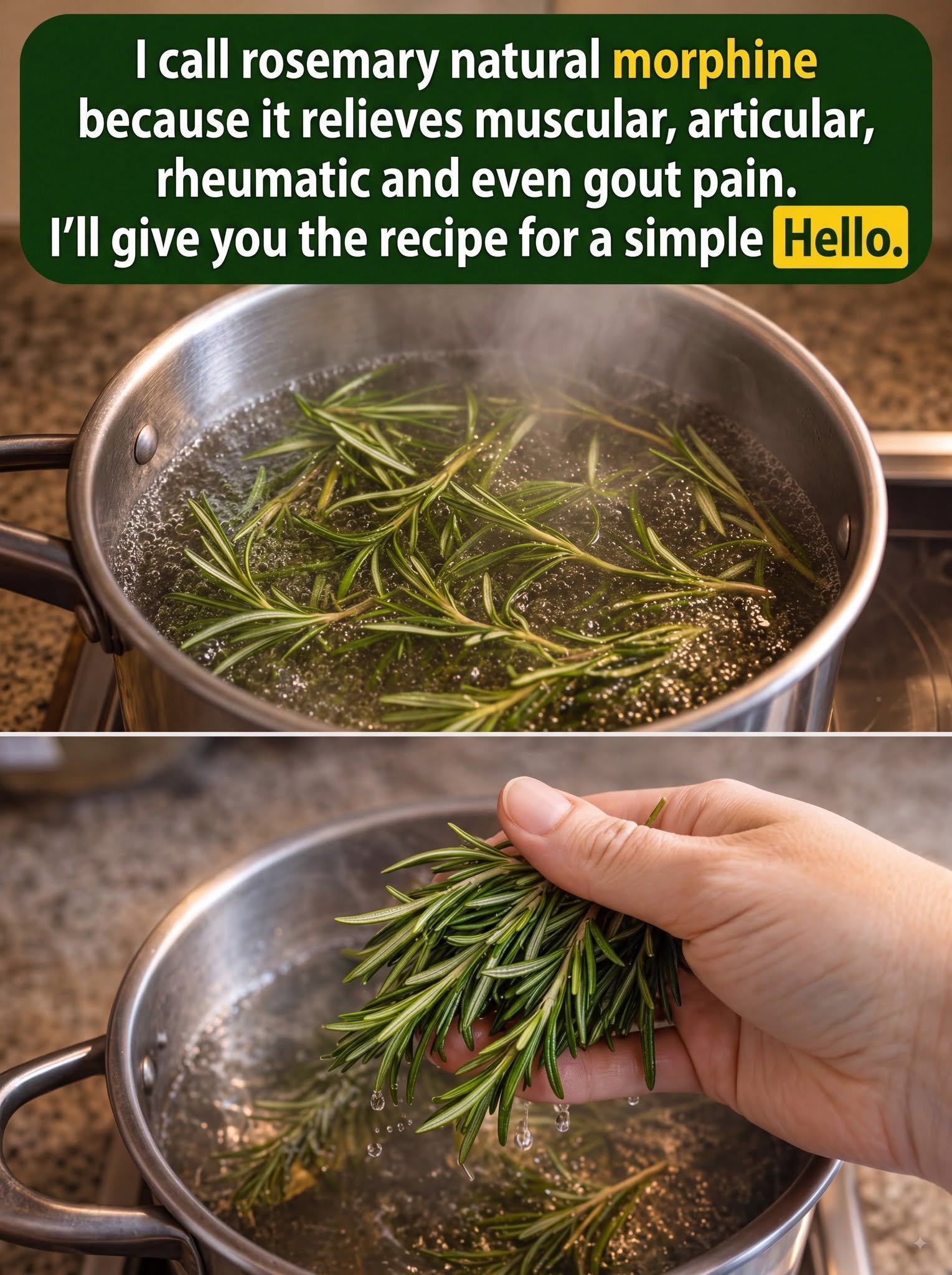
Rosemary: A Natural Herb That May Help Soothe Muscle and Joint Discomfort
Rosemary: A Natural Herb That May Help Soothe Muscle and Joint Discomfort
Rosemary is one of the world’s best-known aromatic herbs. Commonly used in cooking, it has also been part of traditional wellness practices involving teas, compresses, baths, and massages for generations.
On social media, rosemary is sometimes described as a “natural morphine.” But is that really true? The answer is more nuanced.
Rosemary contains naturally occurring compounds that are being studied for their antioxidant and anti-inflammatory properties. While it may provide a pleasant feeling of relaxation and comfort for some people, there is no good evidence that rosemary can replace pain medication or cure arthritis, rheumatism, gout, or other medical conditions.
In this article, discover several traditional ways to use rosemary and how it may complement a healthy daily routine.
🌿 Can Rosemary Help With Muscle and Joint Discomfort?
Rosemary contains compounds such as rosmarinic acid and other antioxidants that have attracted scientific interest because of their potential biological effects.
Some people traditionally use rosemary in:
- Warm herbal teas
- Compresses
- Aromatic baths
- Massage preparations
- Culinary recipes
A warm compress or aromatic bath may also provide temporary relaxation, particularly after physical activity.
However, these traditional uses should be considered complementary wellness practices, not medical treatments. Persistent, severe, or unexplained pain should always be evaluated by a qualified healthcare professional.
🍵 Recipe 1: Rosemary Herbal Tea
A simple rosemary tea can be enjoyed as a warm, aromatic beverage.
Ingredients
- 1 tablespoon fresh or dried rosemary
- 250 ml of water
How to Prepare
- Bring the water to a boil.
- Turn off the heat.
- Add the rosemary.
- Cover and let it steep for approximately 10 minutes.
- Strain before drinking.
- Allow it to cool slightly and enjoy.
The pleasant aroma makes this tea a comforting addition to a balanced daily routine.
Tip: Avoid excessive consumption, particularly if you regularly take medications or have an existing health condition.
♨️ Recipe 2: Warm Rosemary Compress
A warm compress can be a simple way to create a relaxing sensation in tired muscles.
Ingredients
- 2 fresh rosemary sprigs
- 500 ml of water
- A clean towel
Preparation
- Add the rosemary to the water.
- Simmer for approximately 10 minutes.
- Remove from the heat and allow the liquid to cool until comfortably warm.
- Soak a clean towel in the infusion.
- Wring out the excess liquid.
- Place the warm towel over the desired area for about 15 minutes.
The combination of gentle warmth and the rosemary aroma may help promote temporary relaxation.
Important: Make sure the compress is comfortably warm rather than hot to avoid burning the skin.
🛁 Recipe 3: Relaxing Rosemary Bath
A rosemary bath can be an enjoyable way to incorporate the herb into a relaxing self-care routine.
Ingredients
- 3 fresh rosemary sprigs
- 1 liter of water
How to Make It
- Prepare a rosemary infusion by simmering the herb in water for approximately 10 minutes.
- Allow it to cool slightly.
- Strain the mixture.
- After your regular bath or shower, slowly pour the infusion over the body.
- Avoid contact with the eyes and face.
The aromatic properties of rosemary can create a refreshing and relaxing bathing experience.
🌿 Potential Benefits of Rosemary
When used appropriately, rosemary may complement a healthy lifestyle by providing:
1. A Relaxing Experience
Its distinctive aroma can make teas, baths, and self-care rituals more enjoyable.
2. Natural Antioxidant Compounds
Rosemary contains several plant compounds with antioxidant activity.
3. Support for Everyday Muscle Relaxation
Warm rosemary compresses may provide a temporary sensation of comfort and relaxation.
4. An Aromatic Addition to Massage and Baths
Rosemary can be incorporated into traditional wellness practices involving massage and bathing.
5. A Flavorful Herbal Tea
Rosemary tea offers an alternative to heavily sweetened beverages and can be enjoyed as part of a varied diet.
⚠️ Important Rosemary Safety Tips
Although rosemary is widely used as a culinary herb, more concentrated or frequent use requires caution.
- Avoid consuming excessive amounts of rosemary tea.
- Pregnant or breastfeeding individuals should seek professional medical advice before using rosemary regularly for medicinal purposes.
- People taking medications should consult a healthcare professional before making rosemary a regular herbal remedy.
- Individuals with chronic medical conditions should seek appropriate guidance.
- Do not use rosemary as a replacement for prescribed treatment.
- Stop using it if you experience irritation, an allergic reaction, or other unusual symptoms.
If muscle or joint pain is persistent, severe, swollen, associated with an injury, or accompanied by other concerning symptoms, professional medical evaluation is recommended.
Rosemary vs. “Natural Morphine”: What You Should Know
The phrase “natural morphine” is often used online to make rosemary sound like a powerful painkiller. However, this description is misleading.
Rosemary does not contain morphine, and there is no reliable evidence that it produces effects equivalent to prescription opioid pain medications.
Its potential value lies in its traditional use, pleasant aroma, antioxidant compounds, and ability to complement relaxing routines—not in replacing medically proven treatments.
💚 How to Include Rosemary in Your Daily Routine
You don’t need complicated preparations to enjoy rosemary.
Try adding fresh rosemary to:
- Roasted vegetables
- Soups and stews
- Grilled fish or chicken
- Homemade sauces
- Herbal teas
- Warm baths
- Relaxation rituals
Using herbs as part of a varied diet can add flavor while helping reduce reliance on excessive salt or sugary flavorings.
Frequently Asked Questions
Can rosemary cure arthritis?
No. There is currently no reliable evidence that rosemary cures arthritis or replaces appropriate medical treatment.
Can rosemary tea help with muscle discomfort?
A warm herbal drink may contribute to relaxation and comfort, but rosemary tea should not be considered a proven treatment for muscle pain.
Can I use rosemary as a warm compress?
A warm rosemary compress can be used as a traditional relaxation practice. Make sure the temperature is comfortable and avoid applying it to damaged or irritated skin.
Can I drink rosemary tea every day?
Moderation is important. Regular or concentrated use may not be appropriate for everyone, particularly people who are pregnant, breastfeeding, taking medications, or living with chronic health conditions.
Is rosemary safe for everyone?
Rosemary is commonly used as a culinary herb, but individual tolerance varies. If you have a medical condition or take medication, consult a healthcare professional before using it regularly for wellness purposes.
🌿 Final Thoughts
Rosemary is much more than a flavorful kitchen herb. Its aromatic qualities and naturally occurring plant compounds have made it a popular ingredient in traditional wellness practices for generations.
Whether enjoyed as a tea, used in a warm compress, or added to a relaxing bath, rosemary can be a pleasant addition to a healthy self-care routine.
However, it should not be considered a “natural morphine” or a cure for arthritis, gout, rheumatism, or chronic pain. The safest approach is to use rosemary as a complementary part of a healthy lifestyle while seeking professional medical care when pain or other symptoms persist.
👉 Discover the complete rosemary recipe in the first comment.