Rice Water Triggers the Skin, Hair, and Gut Reset Most People Miss
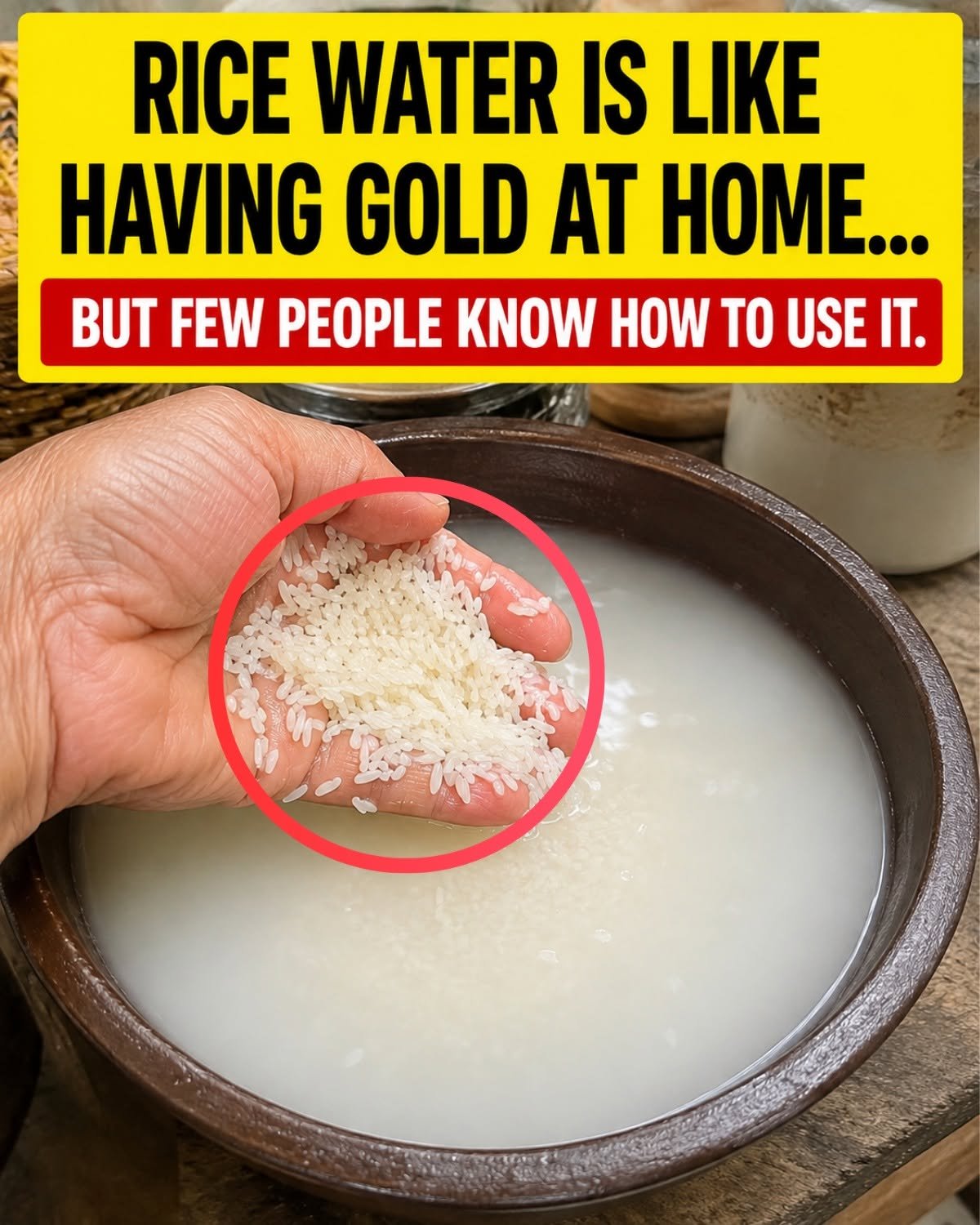
Rice water is not “leftover water.” It’s a milky wash of amino acids, B vitamins, inositol, and mineral traces that hit skin, hair, and digestion like a backstage repair crew. The bowl in the screenshot is holding the exact thing most people pour down the drain, then spend money trying to replace.
Your skin knows the difference fast. When the barrier is stripped, your face turns into a dry, reactive sheet of paper that drinks up oil in one place and flakes in another, while pores look louder than they should. Rice water lays down a thin, functional film that helps quiet that chaos.
Your hair feels it too. Weak strands don’t just “look dull” — they snap like old thread under a comb, and the ends split until every wash feels like a small defeat. Rice water brings in inositol and amino compounds that act like tiny braces for stressed fibers.
And the gut piece? That’s the one people ignore until their stomach feels like a churned-up washing machine. Properly prepared rice water can be a simple, old-world tool for calming irritation and replacing what gets stripped out when the digestive tract is under siege.
The ugly truth is that the wellness machine loves expensive bottles, not a pantry liquid that costs almost nothing. Nobody built a glossy ad campaign around a bowl of rice and water, which is exactly why this gets buried while people keep chasing louder fixes.
The Skin Barrier Repair System
Think of your skin like a painted wooden door left out in rain, sun, and hard wind. Once the finish starts cracking, every little thing gets inside — heat, grime, redness, and that tight, angry feeling after washing your face.
Rice water works like a thin coat of fresh sealant. The first thing people notice is that the face stops feeling so raw after cleansing, and that greasy-dry tug-of-war starts to settle down.
Over time, the dull, tired look begins to lift because the surface isn’t fighting for survival every hour of the day. That’s where the brightening reputation comes from: not magic, just a calmer surface that reflects light better.
It’s the difference between rubbing a cracked tabletop with sandpaper and wiping it with a protective polish that actually stays put.
Why women notice it in a different way: makeup sits better, patchy foundation stops clinging to dry zones, and the mirror stops showing every little red flare around the nose and cheeks. The face looks less like it spent the night in a furnace.
Why men feel the shift first: the rough, overwashed, post-shave sting eases up, and the skin stops acting like it has been scrubbed with steel wool. That’s not cosmetic fluff — that’s a barrier under less pressure.
The Hair Shaft Reinforcement Effect
Hair that keeps breaking is usually starving for structure. Each strand is like a rope with frayed fibers, and every brush stroke, towel rub, and heat blast pulls it further apart.
Rice water feeds those weak points with compounds that help the strand hold together instead of collapsing at the first tug. The result is less snapping in the sink, less fuzz at the ends, and more shine because the cuticle lies flatter.
Picture a rope bridge with loose knots and split cords. Now picture those knots getting tightened one by one until the whole thing stops swaying every time the wind hits — that’s the kind of change people describe when rice water becomes a regular part of their routine.
The first thing people notice is the comb sliding through with less drama. After a few uses, the hair starts looking less thirsty, less frayed, and less like it was dragged through static and city heat.
For people with itchy, irritated scalps, the rinse can also take the edge off that hot, crawling feeling that shows up under the nails. Not because it’s “gentle,” but because it stops the scalp from feeling like a scratched-up, overworked surface.
The Gut Calm You Don’t See on the Label
When the stomach is irritated, everything feels louder. The bloating, the rumble, the urgency, the off feeling after meals — it’s like the entire middle of the body is stuck in alarm mode.
Boiled rice water has long been used as a simple digestive buffer because it gives the system something easy to handle when heavier foods feel like a brick in the tank. Think of it as pouring clean water through a clogged kitchen drain after someone dumped grease down it all week.
That doesn’t mean it’s a magic potion. It means the body sometimes needs a low-friction, easy-to-process liquid when the gut lining is irritated and everything else feels like too much.
The ugly contrast shows up when people keep hammering a stressed digestive system with spicy, greasy, or over-processed food and wonder why the whole lower belly stays irritated. The system never gets a break, so it keeps sounding the alarm.
Once the pattern shifts, meals feel less like a gamble and more like something the body can actually handle. That quiet relief is why old traditions kept coming back to rice water long before modern labels tried to rename everything.
One common kitchen habit sabotages the whole thing: using dirty, overcooked, or poorly stored rice water and expecting the same result. If it smells off or sits too long, you’re no longer making a restorative rinse — you’re making a problem.
The next layer most people miss is the pairing that decides whether rice water stays a weak rinse or turns into a far more useful ritual.
This article is for informational purposes only and does not replace professional medical advice. Please consult your healthcare provider for personalized guidance.