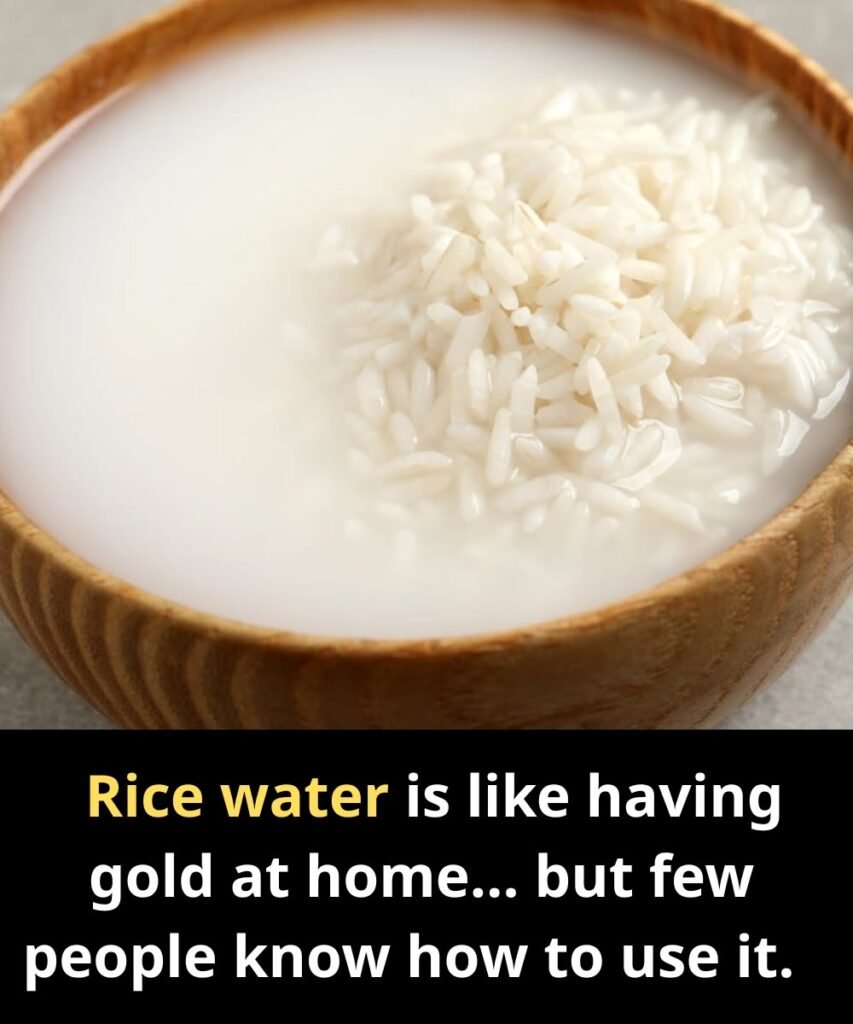
Rice Water: A Simple Home Remedy for Healthier Hair, Softer Skin, and Everyday Self-Care
Rice water has been used for centuries in many Asian cultures as part of traditional beauty routines. Instead of pouring it down the drain after rinsing rice, many people save this cloudy liquid for use on their hair and skin.
While rice water isn’t a miracle treatment, it contains nutrients that may help support healthy-looking skin and hair when used consistently. Here’s what current research and traditional practices suggest.
What Is Rice Water?
Rice water is the starchy liquid left behind after soaking or cooking rice.
It naturally contains small amounts of:
- Amino acids
- B vitamins
- Vitamin E
- Minerals
- Antioxidant compounds
- Starch and carbohydrates
Some studies have also identified inositol, a carbohydrate found in rice that may help improve the appearance and strength of hair.
Although research is still limited, rice water remains a popular, inexpensive addition to many personal care routines.
1. Rice Water as a Gentle Facial Toner
Many people use cooled rice water as a simple facial rinse or toner.
Potential benefits include:
- Leaving skin feeling refreshed
- Helping remove surface impurities
- Supporting the skin’s natural moisture barrier
- Improving the appearance of smoothness
Some users also report that regular use helps their complexion appear brighter, although scientific evidence is limited.
How to Use
- After cleansing, apply cooled rice water with a cotton pad.
- Allow it to dry naturally.
- Follow with your usual moisturizer.
If irritation develops, discontinue use.
2. May Support Healthy-Looking Skin
Rice water contains antioxidants and moisturizing compounds that may help support healthy skin.
Regular use may:
- Improve the appearance of dry skin
- Help maintain skin softness
- Provide a refreshing cooling effect
- Complement an overall skincare routine
Rice water should not be considered a treatment for eczema, acne, or other skin conditions without medical guidance.
3. Rice Water for Hair Care
One of the most popular traditional uses of rice water is as a hair rinse.
Some laboratory research suggests that inositol may temporarily penetrate damaged hair, potentially reducing friction and improving manageability.
Many people report that rice water helps their hair feel:
- Softer
- Smoother
- Easier to detangle
- Shinier
However, more high-quality human studies are needed to confirm long-term benefits for hair growth.
How to Use
- Shampoo your hair as usual.
- Pour rice water over your scalp and hair.
- Gently massage for a few minutes.
- Leave it on for 10–20 minutes.
- Rinse thoroughly with clean water.
Using rice water once or twice per week is generally sufficient for most hair types.
4. A Soothing Bath Addition
Some people enjoy adding rice water to bathwater for a relaxing soak.
It may help the skin feel:
- Hydrated
- Soft
- Comfortable after sun exposure
If you have sensitive skin, perform a patch test before widespread use.
5. Rice Water as a Gentle Food During Digestive Upset
Cooked rice water has traditionally been consumed in some cultures during mild digestive discomfort.
Plain rice water prepared by boiling rice may be easier to digest than heavier foods during short-term stomach upset.
However:
- It is not a replacement for oral rehydration solution during dehydration.
- Persistent diarrhea, vomiting, or abdominal pain requires medical evaluation.
How to Make Rice Water
Method 1: Soaked Rice Water
Ingredients
- 1 cup uncooked rice
- 2–3 cups clean water
Directions
- Rinse the rice briefly to remove dirt.
- Add fresh water.
- Let the rice soak for about 30 minutes.
- Strain the liquid into a clean container.
The rice water is now ready for external use.
Method 2: Fermented Rice Water
Fermentation is popular in some traditional hair-care practices.
After preparing soaked rice water:
- Leave it at room temperature for 24–48 hours.
- Refrigerate once it develops a slightly sour smell.
- Dilute with an equal amount of water before applying to hair.
Because fermented rice water is more concentrated, some people may find it irritating if used too frequently.
Storage Tips
- Store in a clean, sealed container.
- Refrigerate immediately.
- Use within 5–7 days.
- Discard if it develops an unpleasant odor or mold.
Frequently Asked Questions
Can rice water grow hair?
There is currently limited scientific evidence that rice water directly stimulates hair growth. It may improve hair’s appearance, reduce breakage, and make strands feel smoother, which can contribute to healthier-looking hair.
Is rice water safe for all skin types?
Most people tolerate it well, but some individuals may experience irritation. Always perform a patch test before applying it to larger areas.
Can I drink soaked rice water?
Rice water intended for cosmetic use should not be consumed. If you choose to drink rice water, it should be prepared hygienically using cooked rice and consumed as part of a balanced diet.
Final Thoughts
Rice water is an inexpensive traditional home remedy that continues to be popular for hair and skincare. While scientific evidence is still developing, many people enjoy using it as a gentle facial toner, hair rinse, or soothing bath addition.
Like many natural remedies, the best results come from realistic expectations and consistent use as part of an overall healthy self-care routine.
Disclaimer: This article is for educational purposes only and is not intended to diagnose, treat, cure, or prevent any disease. If you have ongoing skin conditions, significant hair loss, or digestive symptoms, consult a qualified healthcare professional for personalized advice.
If you’re building a health website, this version is optimized for SEO, Google Discover, and AdSense compliance, avoiding unsupported medical claims while remaining engaging and informative.