
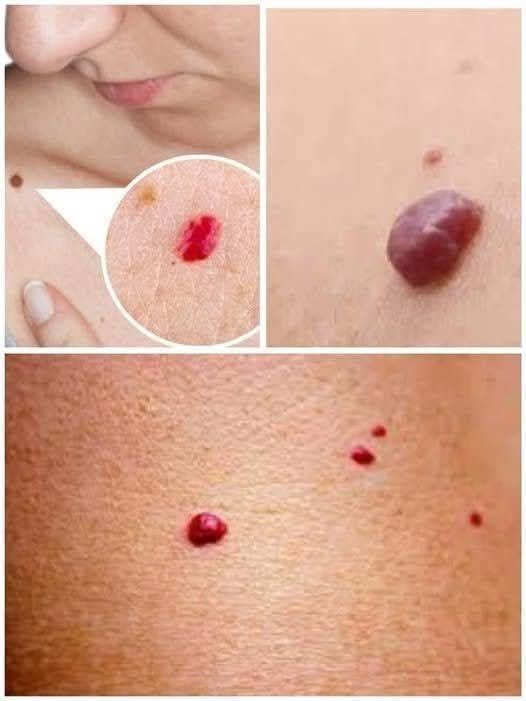
Red Dots on Your Skin: Common Causes, Symptoms, Treatment Options, and When to See a Doctor
Noticing small red dots on your skin can be concerning, especially if they appear suddenly or begin spreading. In many cases, these spots are harmless and may disappear without treatment. However, some red spots can be a sign of an underlying medical condition that requires professional evaluation.
The appearance of red dots can vary in size, shape, and texture. Some are flat, while others are raised or itchy. Understanding the possible causes can help you determine whether simple home care is enough or if you should seek medical attention.
What Causes Red Dots on the Skin?
Red spots may develop for many different reasons, including skin irritation, infections, allergies, inflammation, or blood vessel changes. The exact cause often depends on your symptoms, medical history, and how the spots appear.
Below are some of the most common causes.
1. Petechiae and Purpura
Petechiae are tiny, flat red or purple spots that occur when very small blood vessels (capillaries) break beneath the skin. Larger spots are known as purpura.
Possible causes include:
- Intense coughing or vomiting
- Physical strain
- Certain medications
- Viral or bacterial infections
- Blood clotting disorders
While petechiae may sometimes be harmless, sudden widespread petechiae—especially if accompanied by fever, easy bruising, or bleeding—require immediate medical evaluation.
2. Cherry Angiomas
Cherry angiomas are one of the most common harmless skin growths found in adults. They appear as small, bright red, slightly raised spots caused by clusters of tiny blood vessels.
Characteristics include:
- Smooth, round appearance
- Bright red or dark red color
- Usually painless
- More common with increasing age
Treatment is generally unnecessary unless they bleed frequently or become bothersome for cosmetic reasons.
3. Heat Rash
Heat rash develops when sweat becomes trapped beneath the skin, especially during hot or humid weather.
Common symptoms include:
- Tiny red bumps
- Mild itching or prickling sensation
- Skin irritation
- Rash in areas where sweat collects
Wearing lightweight clothing and keeping the skin cool usually helps the rash improve within a few days.
4. Allergic Reactions
Red spots may appear after exposure to allergens such as:
- Certain foods
- Medications
- Cosmetics
- Soaps or detergents
- Insect bites or stings
- Plants
Allergic rashes are often itchy and may occur alongside swelling or hives. Severe allergic reactions involving difficulty breathing require emergency medical care.
5. Folliculitis
Folliculitis occurs when hair follicles become inflamed, usually because of bacterial or fungal infection.
Symptoms may include:
- Small red bumps
- White or yellow pus-filled spots
- Tenderness
- Itching
- Mild pain
Good skin hygiene often helps mild cases, while persistent infections may require medical treatment.
6. Cellulitis
Cellulitis is a bacterial infection affecting the deeper layers of the skin.
Symptoms include:
- Redness
- Swelling
- Warm skin
- Pain or tenderness
- Fever in some cases
Because cellulitis can spread quickly, prompt medical treatment with antibiotics is important.
7. Impetigo
Impetigo is a highly contagious bacterial skin infection that commonly affects young children but can occur at any age.
It usually begins as red sores that:
- Burst easily
- Leak fluid
- Form a yellow or honey-colored crust
Early treatment helps prevent the infection from spreading to others.
8. Vasculitis
Vasculitis is an inflammation of blood vessels that may develop because of autoimmune diseases, infections, or certain medications.
Symptoms vary but may include:
- Red or purple skin spots
- Pain
- Swelling
- Fatigue
- Joint discomfort
Diagnosis and treatment depend on the underlying cause.
9. Hemangiomas
Hemangiomas are noncancerous growths formed by extra blood vessels. They often appear during infancy but may also occur later in life.
Most hemangiomas are harmless and gradually improve over time, although larger growths may occasionally require medical evaluation.
Home Care Tips for Mild Skin Irritation
Some home remedies may help soothe mild skin irritation, although they are not a substitute for medical treatment when an underlying condition is present.
Aloe Vera Gel
Fresh aloe vera gel has moisturizing and soothing properties.
To use:
- Apply fresh aloe vera gel to clean skin.
- Leave it on for 15–20 minutes.
- Rinse gently with cool water.
- Repeat once or twice daily if it feels soothing.
Coconut Oil
Virgin coconut oil may help moisturize dry skin and support the skin’s protective barrier.
Apply a small amount to clean skin before bedtime if your skin tolerates it well. Avoid using it on infected or acne-prone areas unless advised by a healthcare professional.
Healthy Nutrition
A balanced diet supports healthy skin from the inside.
Include foods rich in:
- Vitamin C
- Vitamin A
- Vitamin E
- Zinc
- Omega-3 fatty acids
- Fresh fruits
- Vegetables
- Whole grains
- Lean proteins
Staying hydrated also helps maintain healthy skin.
When Should You See a Doctor?
Seek medical attention if:
- Red spots spread rapidly.
- They become painful or swollen.
- You develop a fever.
- The rash produces pus or fluid.
- You experience difficulty breathing or facial swelling.
- The spots do not improve after several days.
- You notice unexplained bruising or bleeding.
- The rash repeatedly returns without an obvious cause.
A healthcare professional can determine the underlying cause and recommend appropriate treatment.
Frequently Asked Questions
Are red dots on the skin always dangerous?
No. Many red spots are harmless and caused by minor irritation, heat rash, or cherry angiomas. However, persistent, spreading, or painful spots should be evaluated by a healthcare provider.
Can stress cause red spots?
Stress may contribute to certain skin conditions and can sometimes trigger hives or worsen existing skin disorders, but it is not the only possible cause of red spots.
Can allergies cause red dots?
Yes. Allergic reactions to foods, medications, insect bites, or skin products commonly cause itchy red spots or rashes.
How can I keep my skin healthy?
Maintaining good hygiene, staying hydrated, eating a balanced diet, protecting your skin from excessive sun exposure, and using appropriate moisturizers can all support healthy skin.
Final Thoughts
Red dots on the skin can result from a wide variety of causes, ranging from harmless conditions like heat rash and cherry angiomas to infections, allergic reactions, or inflammatory disorders that require medical care. Paying attention to accompanying symptoms and changes in your skin can help you decide when it’s time to seek professional advice.
If a rash is severe, persistent, spreads quickly, or is accompanied by fever, swelling, or difficulty breathing, seek medical attention immediately. Early diagnosis and proper treatment can help prevent complications and support healthy skin.