Pumpkin Seeds for Prostate and Bladder Health: 7 Potential Benefits Every Man Should Know
Pumpkin Seeds for Prostate and Bladder Health: 7 Potential Benefits Every Man Should Know
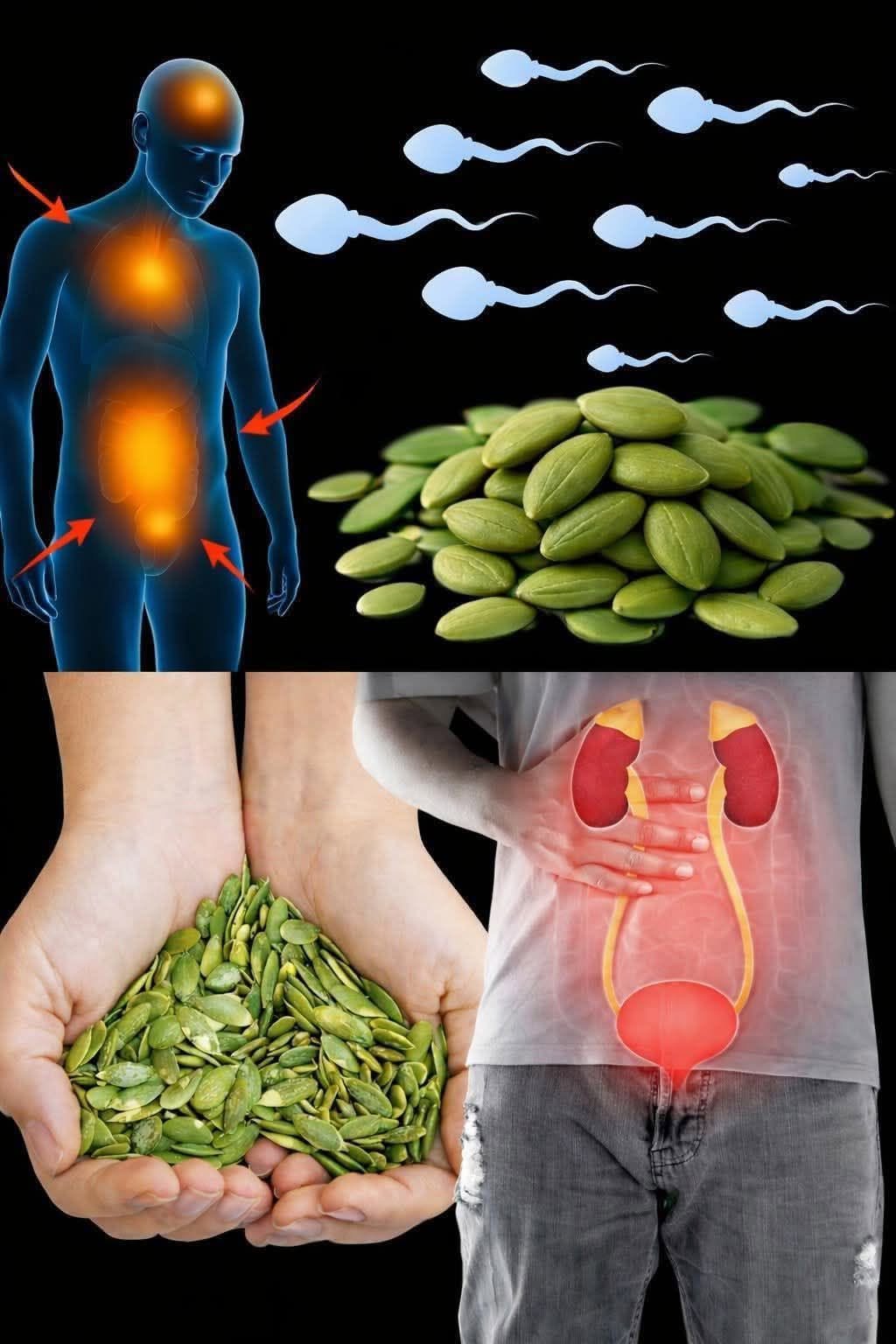
What if a small handful of pumpkin seeds could become a valuable addition to your daily diet? These tiny green seeds are packed with essential nutrients, healthy fats and plant compounds that may support several aspects of men’s health.
Pumpkin seeds, also known as pepitas, have attracted attention for their potential benefits for prostate health, urinary function and overall wellbeing.
Some traditional remedies even claim that eating pumpkin seeds can improve bladder function, support male fertility and help prevent prostate problems.
But what does science actually say?
Research has investigated pumpkin seeds and pumpkin seed oil for their possible effects on urinary symptoms associated with an enlarged prostate. Although some findings are promising, the evidence is not strong enough to consider pumpkin seeds a treatment or cure.
Here are seven potential health benefits worth understanding.
1. May Support Prostate Health
One of the most widely discussed benefits of pumpkin seeds is their potential relationship with prostate health.
Pumpkin seeds contain zinc, magnesium, healthy fats and plant compounds called phytosterols.
These nutrients contribute to normal bodily functions, including reproductive and cellular health.
Researchers have investigated pumpkin seed preparations in men experiencing urinary symptoms associated with benign prostatic hyperplasia (BPH), commonly known as an enlarged prostate.
Some studies have reported improvements in urinary symptoms, although results have been mixed.
Importantly, pumpkin seeds have not been proven to shrink an enlarged prostate or prevent prostate cancer.
2. May Help Support Healthy Urinary Function
An enlarged prostate can put pressure on the urethra, making it difficult for urine to flow normally.
Common symptoms include:
- Frequent urination.
- Waking up several times during the night to urinate.
- A weak urine stream.
- Difficulty starting urination.
- Feeling that the bladder has not emptied completely.
Some clinical research has investigated pumpkin seeds and pumpkin seed oil for their possible effects on these symptoms.
However, more research is needed before they can be recommended as an effective treatment.
Pumpkin seeds should be considered a nutritious food rather than a substitute for medical treatment.
3. Rich in Zinc for Male Reproductive Health
Zinc is an essential mineral involved in numerous processes throughout the body.
It plays important roles in:
- Normal immune function.
- DNA synthesis.
- Cell division.
- Protein production.
- Normal reproductive function.
Pumpkin seeds are a useful plant-based source of zinc.
Adequate zinc intake is important for normal male reproductive health, including sperm production.
However, eating additional pumpkin seeds does not automatically increase sperm count or cure male infertility. The benefits of correcting a zinc deficiency are different from taking excessive amounts of zinc.
4. Contains Nutrients That Support Heart Health
Pumpkin seeds provide unsaturated fats, magnesium and other nutrients that contribute to a balanced diet.
Magnesium plays an important role in normal muscle and nerve function, blood pressure regulation and energy production.
Replacing foods high in saturated fats with appropriate sources of unsaturated fats can also support cardiovascular health.
Pumpkin seeds are therefore a useful addition to a heart-conscious eating pattern.
However, they should not be considered a treatment for high blood pressure or cardiovascular disease.
5. Provides Antioxidants That Help Protect Cells
Pumpkin seeds contain vitamin E, carotenoids and other antioxidant compounds.
Antioxidants help protect cells against oxidative damage caused by free radicals.
Oxidative stress has been investigated in relation to ageing and several chronic health conditions.
Including pumpkin seeds alongside other nuts, seeds, vegetables and fruits can increase the variety of beneficial nutrients in your diet.
6. May Support Healthy Blood Sugar Levels
Pumpkin seeds contain protein, healthy fats and dietary fibre.
These nutrients can help make meals more satisfying and contribute to a balanced diet.
Some research has investigated pumpkin seed products for their possible effects on blood glucose regulation.
However, there is insufficient evidence to conclude that eating pumpkin seeds treats diabetes or reliably lowers blood sugar.
People with diabetes can generally enjoy plain pumpkin seeds in sensible portions, while continuing their prescribed medication and monitoring routine.
7. Supports Muscle and Bone Health
Pumpkin seeds contain several nutrients important for maintaining normal muscle and bone function.
These include:
- Magnesium.
- Phosphorus.
- Zinc.
- Protein.
- Iron.
Magnesium contributes to normal muscle contraction and nerve function, while phosphorus is an important component of bones and teeth.
Including pumpkin seeds in a balanced diet can help increase your intake of these essential nutrients.
They can be particularly useful as a plant-based snack for people looking to diversify their protein and mineral sources.
How to Eat Pumpkin Seeds for Better Nutrition
Pumpkin seeds are easy to incorporate into everyday meals.
Here are some simple ways to enjoy them:
1. Eat them as a snack: Enjoy a small handful of plain, unsalted pumpkin seeds between meals.
2. Add them to breakfast: Sprinkle pumpkin seeds over oatmeal, yogurt or whole-grain cereal.
3. Include them in salads: Add roasted pumpkin seeds to vegetable salads for extra crunch and nutrients.
4. Blend them into smoothies: A small amount can provide additional protein, minerals and healthy fats.
5. Add them to homemade meals: Use pumpkin seeds in soups, whole-grain dishes and homemade bread.
Choose plain or lightly roasted seeds whenever possible and watch portion sizes because they are relatively calorie-dense.
How Many Pumpkin Seeds Should You Eat Daily?
There is no officially established daily dose of pumpkin seeds for prostate or bladder health.
For general nutrition, approximately 28–30 grams (one small handful) can be a reasonable serving for many adults.
You do not need to eat large quantities to enjoy their nutritional benefits.
People with seed allergies should avoid them, and anyone following a medically prescribed dietary plan should consider their individual nutritional requirements.
What Does Scientific Research Say About Pumpkin Seeds and the Prostate?
There has been some interesting clinical research in this area.
A one-year randomised study known as the GRANU study investigated pumpkin seeds and pumpkin seed extract in 1,431 men experiencing lower urinary tract symptoms associated with an enlarged prostate.
The researchers observed a higher proportion of symptom responders in the group consuming pumpkin seeds compared with the placebo group. However, the pumpkin seed extract group did not demonstrate a significant advantage over placebo for the primary outcome.
Another clinical trial investigated pumpkin seed oil in men with benign prostatic hyperplasia and reported improvements in urinary symptom scores.
These findings are interesting, but they do not establish pumpkin seeds as a proven treatment for prostate enlargement.
Warning Signs of Prostate Problems Men Should Never Ignore
Prostate-related urinary symptoms are common, particularly as men get older.
However, it is important not to assume that every urinary problem is caused by an enlarged prostate.
Speak to a healthcare professional if you experience:
- Difficulty starting urination.
- A weak or interrupted urine stream.
- Frequent nighttime urination.
- Blood in your urine.
- Pain during urination.
- Persistent pelvic discomfort.
- Difficulty emptying your bladder.
Inability to urinate requires immediate medical attention. Fever and chills alongside urinary symptoms, or visible blood in the urine, also require urgent assessment.
A medical examination can help distinguish an enlarged prostate from infections, bladder conditions and other potentially serious problems.
Final Thoughts: Are Pumpkin Seeds Worth Adding to Your Diet?
Pumpkin seeds are genuinely nutritious and offer several valuable nutrients that support normal health.
Their zinc, magnesium, protein, healthy fats and antioxidant compounds make them a worthwhile addition to a balanced diet.
Research into pumpkin seeds and prostate health is promising in some respects, particularly regarding urinary symptoms, but the evidence remains inconclusive.
They cannot guarantee improved fertility, cure prostate enlargement or repair bladder problems.
The best approach is to enjoy pumpkin seeds as part of a healthy diet while seeking proper medical advice for persistent urinary or prostate symptoms.
Small nutritional choices can contribute to long-term wellbeing, but no single food can replace appropriate healthcare.
Medical disclaimer: This article is for general educational purposes only and does not replace professional medical advice, diagnosis or treatment.