Persistent Bad Breath Despite Brushing? Tonsil Stones Could Be One Possible Cause
Persistent Bad Breath Despite Brushing? Tonsil Stones Could Be One Possible Cause
Meta Description: Struggling with bad breath even after brushing? Learn what tonsil stones are, why they form, common symptoms, gentle home care tips and when to seek professional advice.
You brush your teeth twice a day, floss regularly and perhaps even use mouthwash. Yet sometimes, an unpleasant smell seems to linger no matter how carefully you clean your mouth.
This can feel frustrating, particularly when you are speaking with friends, spending time with family or meeting people face to face.
While persistent bad breath can have several explanations, one possibility that is sometimes overlooked is a condition known as tonsil stones, medically called tonsilloliths.
These small deposits can develop within natural pockets in the tonsils. They are usually harmless, but in some people, they may contribute to unpleasant breath, throat irritation or the sensation that something is stuck at the back of the mouth.
Understanding how tonsil stones form can help you recognise possible signs and choose a sensible approach to oral care.
What Exactly Are Tonsil Stones?
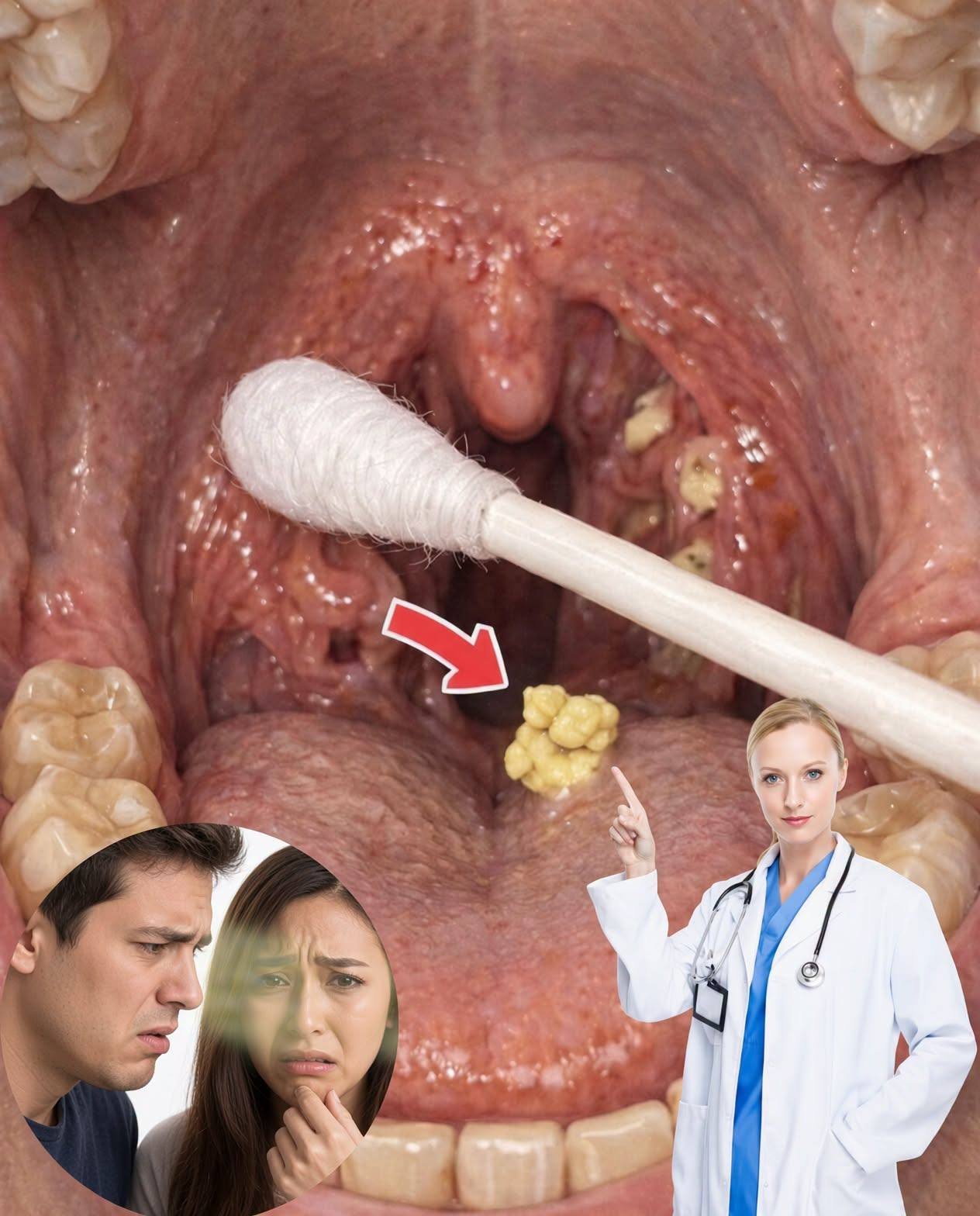
Tonsil stones are small, firm deposits that form inside tiny folds or pockets on the surface of the tonsils, known as tonsillar crypts.
The tonsils are two areas of lymphatic tissue located toward the back of the throat. They form part of the body’s immune system and help recognise microorganisms entering through the mouth and nose.
Their surfaces are not completely smooth. Instead, they contain small openings where various materials can sometimes collect.
These materials may include:
Tiny food particles
Dead cells
Mucus
Bacteria
Minerals, including calcium compounds
Over time, trapped material can become compacted and sometimes calcified, forming small white or yellowish deposits.
Some tonsil stones are barely visible, while others can become large enough to cause noticeable discomfort.
Many people have small tonsil stones without experiencing any symptoms at all.
Why Can Tonsil Stones Cause Bad Breath?
One of the most frequently reported symptoms associated with tonsil stones is persistent bad breath, also called halitosis.
The explanation involves bacteria and the substances they produce.
Certain bacteria can break down proteins and other organic material trapped within the tonsillar crypts. During this process, they may release volatile sulphur compounds.
These compounds are associated with unpleasant odours.
This helps explain why someone may maintain good dental hygiene but still notice an unusual smell coming from the mouth or throat.
However, tonsil stones are not the only explanation for persistent bad breath.
Other possible causes include gum disease, tongue coating, cavities, dry mouth, smoking, certain foods and some medical conditions.
For this reason, ongoing bad breath deserves a broader assessment rather than assuming that the tonsils are always responsible.
7 Possible Signs of Tonsil Stones
Tonsil stones do not always cause symptoms, but certain changes may suggest their presence.
1. Bad Breath That Does Not Improve Easily
Persistent unpleasant breath is one of the most commonly discussed symptoms.
If brushing, flossing and cleaning the tongue provide only temporary improvement, the tonsils may be worth considering as one possible source.
A dental examination is still important because oral and gum-related conditions are common causes of halitosis.
2. Small White or Yellow Spots on the Tonsils
Some tonsil stones appear as small pale deposits at the back of the throat.
They may resemble tiny grains or irregular white-yellow particles.
However, white patches can also occur with infections and other throat conditions, so appearance alone is not enough to make a diagnosis.
3. A Feeling That Something Is Stuck in the Throat
Larger deposits may create the sensation of a small object resting near the tonsils.
Some people describe mild pressure, irritation or an urge to clear their throat.
This sensation can also occur with reflux, postnasal drip and other conditions.
4. An Unpleasant Taste in the Mouth
Tonsil stones may occasionally be associated with an unusual or unpleasant taste.
This can become more noticeable when a small deposit becomes dislodged.
Taste changes have many possible causes, including medications, oral conditions and infections.
5. Mild Throat Irritation
Some people experience occasional throat discomfort or irritation around the tonsils.
Small stones often cause no pain, but larger deposits may irritate nearby tissue.
Persistent or worsening throat pain should be evaluated rather than attributed automatically to tonsil stones.
6. Ear Discomfort
Because the throat and ears share certain nerve pathways, irritation in the tonsillar region can occasionally produce referred ear pain.
However, ear pain has many causes, including ear infections and jaw problems.
It should not be assumed to come from the tonsils without appropriate assessment.
7. Small Deposits That Appear After Coughing
Sometimes, a person may notice a small whitish or yellowish lump after coughing or clearing the throat.
These deposits can have a distinctive unpleasant smell.
Although this may suggest a tonsil stone, recurring symptoms should still be discussed with a healthcare professional.
What Causes Tonsil Stones to Develop?
Tonsil stones form when debris becomes trapped inside the tonsillar crypts and gradually accumulates.
Several factors may contribute to this process.
Naturally Deep Tonsillar Crypts
Some people have tonsils with deeper or more irregular folds.
These pockets may collect material more easily, even when oral hygiene is good.
This means that developing tonsil stones does not necessarily indicate poor personal hygiene.
Repeated Tonsil Inflammation
A history of recurrent tonsillitis may be associated with changes in the structure of the tonsils.
These changes can sometimes make it easier for material to become trapped.
Dry Mouth
Saliva plays an important role in maintaining oral comfort and helping wash away food particles.
When saliva production decreases, debris and bacteria may accumulate more readily.
Dry mouth can be influenced by dehydration, mouth breathing, certain medications and other conditions.
Postnasal Drip
Mucus draining from the nose into the throat may contribute to the material collecting around the tonsils.
This can occur with allergies, sinus problems or respiratory infections.
Oral Hygiene Habits
Brushing and flossing help reduce food particles and bacterial buildup in the mouth.
Cleaning the tongue is also useful because bacteria can accumulate on its surface.
Good oral hygiene may help reduce some contributing factors, although it cannot always prevent tonsil stones.
There is no strong evidence that dairy products or sugar directly cause tonsil stones. Individual dietary changes should therefore be based on overall oral health and personal tolerance rather than unnecessary restrictions.
How to Check for Possible Tonsil Stones at Home
If you are curious about whether visible deposits may be present, a simple visual check can sometimes help.
Stand in front of a mirror in a well-lit room.
Open your mouth comfortably and say “ah” to help make the back of your throat easier to see.
The tonsils are located on either side of the throat.
You may notice small white or yellowish deposits in the tonsillar area.
However, not all stones are visible, and it can be difficult to distinguish them from other throat changes.
Avoid pushing, scraping or inserting objects deep into your throat. Tonsillar tissue is delicate and can bleed or become injured.
If you notice persistent white patches, swelling or discomfort, seek a professional assessment.
Gentle Home Care for Tonsil Stones
For small tonsil stones that are not causing significant symptoms, conservative care may be sufficient.
The aim is to maintain oral hygiene, reduce irritation and allow small deposits to loosen naturally when possible.
1. Gargle with Warm Salt Water
Warm salt-water gargling is a simple approach that may help soothe mild throat irritation.
To prepare a gentle gargle, dissolve approximately half a teaspoon of salt in a glass of warm water.
Gargle briefly and spit out the solution.
Avoid swallowing large amounts of salt water.
This method may help some small stones loosen, although it does not guarantee removal or prevent recurrence.
2. Maintain a Consistent Oral Hygiene Routine
Continue brushing your teeth twice daily with fluoride toothpaste.
Clean between your teeth regularly using floss or another appropriate interdental cleaning method.
Gentle tongue cleaning may also help reduce bacteria associated with unpleasant breath.
Routine dental examinations are valuable, especially when bad breath continues despite good home care.
3. Stay Comfortably Hydrated
Drinking sufficient water helps support normal saliva production.
Saliva contributes to the natural cleaning of the mouth and helps maintain a healthy oral environment.
People experiencing dry mouth may benefit from taking regular sips of water throughout the day.
4. Avoid Aggressive Stone Removal
Although some online demonstrations recommend cotton swabs, toothbrushes or water-flossing devices to dislodge tonsil stones, these methods can cause injury when used incorrectly.
High-pressure water streams are particularly unsuitable for delicate tonsillar tissue.
It is generally safer to avoid digging or pressing against the tonsils and ask a healthcare professional about removal if a stone is persistent or uncomfortable.
5. Address Other Possible Causes of Bad Breath
If you have gum bleeding, tooth pain, dry mouth, nasal symptoms or frequent reflux, these issues may also contribute to unpleasant breath.
Managing the underlying cause can be more effective than repeatedly using mouthwash to cover the smell.
Can Tonsil Stones Disappear on Their Own?
Yes. Small tonsil stones can sometimes loosen and fall out naturally.
They may become dislodged during coughing, swallowing or gargling.
Others may remain in place without causing noticeable problems.
When a stone is small and painless, medical treatment may not be necessary.
However, if deposits repeatedly return or interfere with daily comfort, a healthcare professional can help determine whether further management is appropriate.
When Should You See a Doctor?
Most tonsil stones are benign, but some symptoms deserve medical attention.
Arrange an appointment with a dentist or an ear, nose and throat specialist if you experience recurring tonsil stones, persistent bad breath, frequent throat discomfort, repeated tonsil infections or difficulty swallowing.
A professional can examine the throat, consider other possible causes and recommend suitable treatment.
Seek urgent medical care if you develop significant breathing difficulty, an inability to swallow saliva, rapidly worsening throat swelling or severe one-sided throat pain with fever.
These symptoms may indicate a condition requiring prompt assessment rather than a simple tonsil stone.
Is Surgery Ever Necessary?
Surgery is not usually required for ordinary tonsil stones.
For people with severe, persistent or frequently recurring problems, an ENT specialist may discuss additional treatment options.
In selected cases, tonsillectomy, the surgical removal of the tonsils, may be considered.
However, this procedure carries risks, including postoperative pain and bleeding.
The decision depends on the severity of symptoms, previous treatments and the individual’s overall health.
For most people with mild symptoms, conservative management is preferred.
Everyday Habits That May Help Reduce Recurrence
While no routine can guarantee that tonsil stones will never develop, several habits can support oral and throat health.
Brush twice daily and clean between the teeth.
Clean the tongue gently as part of your oral hygiene routine.
Drink enough water to avoid dehydration.
Avoid tobacco products.
Seek advice for persistent dry mouth.
Manage allergies or nasal symptoms with appropriate medical guidance.
Attend routine dental check-ups.
Avoid repeatedly touching or irritating the tonsils.
These habits support overall oral health, even when tonsil stones are not the main cause of bad breath.
Frequently Asked Questions About Tonsil Stones
Are tonsil stones dangerous?
Most tonsil stones are harmless and do not cause serious complications.
They may nevertheless produce unpleasant breath or local discomfort.
Persistent or severe symptoms should be evaluated.
Can tonsil stones cause bad breath even with clean teeth?
Yes. Tonsil stones can contain bacteria that produce odorous compounds, so brushing alone may not address the source.
However, gum disease, tongue coating and dry mouth are also important possibilities.
Are tonsil stones contagious?
No. Tonsil stones themselves are not contagious.
They are deposits of trapped material rather than an infectious disease.
Does mouthwash remove tonsil stones?
Mouthwash may temporarily improve breath freshness, but it does not reliably remove stones trapped within the tonsils.
Alcohol-free mouthwash may be preferable for people prone to dry mouth.
Can children develop tonsil stones?
Yes, although they are more commonly recognised in adolescents and adults.
Children with persistent throat symptoms should be assessed by a healthcare professional rather than having deposits removed at home.
Can tonsil stones come back after removal?
Yes. Stones may recur because the natural folds of the tonsils remain present.
Good oral care may help, but recurrence is not always preventable.
Final Thoughts: Fresh Breath Begins with Understanding the Cause
Persistent bad breath can be uncomfortable, especially when regular brushing and mouthwash do not seem to make a lasting difference.
Tonsil stones are one possible explanation, particularly when unpleasant breath is accompanied by visible pale deposits, mild throat irritation or the sensation of something being stuck near the tonsils.
The encouraging news is that many small tonsil stones are harmless and may resolve without invasive treatment.
Gentle salt-water gargling, good oral hygiene, adequate hydration and appropriate dental care can support everyday comfort.
Most importantly, avoid aggressive home removal techniques and remember that persistent bad breath can have several causes.
Taking care of your mouth is not only about fresh breath. It is also about recognising changes, protecting delicate tissues and seeking professional advice when symptoms continue.
Medical Disclaimer: This article is intended for general educational purposes only and does not replace professional diagnosis or treatment. Consult a dentist, doctor or ENT specialist for persistent symptoms or concerns about your tonsils.
SEO Keywords: tonsil stones, tonsilloliths, persistent bad breath, bad breath despite brushing, tonsil stones symptoms, tonsil stones causes, white spots on tonsils, tonsil stones home care, warm salt water gargle, halitosis causes, oral hygiene tips, tonsil health, how to prevent tonsil stones.