
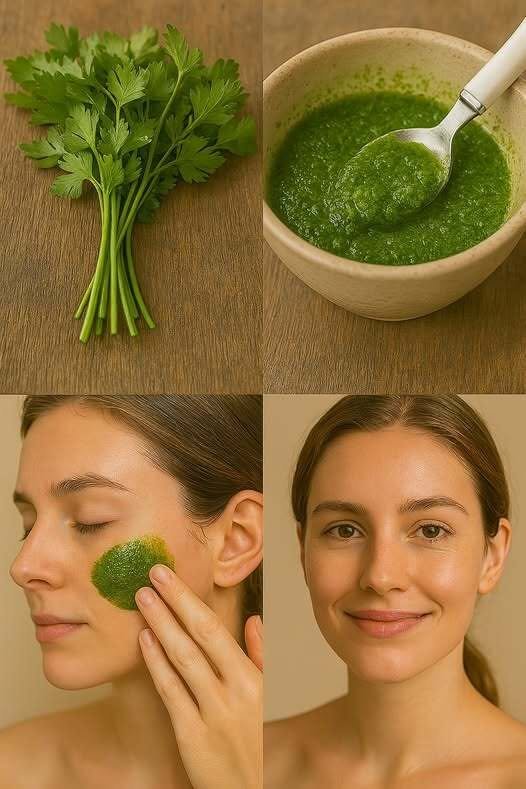
Parsley Face Mask: A Fresh, Homemade Addition to Your Skincare Routine
Parsley is best known as a flavorful culinary herb, but in many households it has also been used in homemade skincare recipes. With its bright green color and fresh herbal scent, parsley is a popular ingredient for DIY face masks and at-home spa days.
While a homemade parsley mask may leave your skin feeling refreshed and temporarily hydrated, it is not a proven treatment for acne, wrinkles, dark spots, or other skin conditions.
Here’s how people traditionally use parsley in skincare, along with important safety tips.
1. What Is a Parsley Face Mask?
A parsley face mask is a homemade skincare preparation made by blending fresh parsley leaves with water or other gentle ingredients such as yogurt or honey. Many people use it as part of an occasional self-care routine for its cooling sensation and refreshing feel.
2. Natural Components of Parsley
Fresh parsley naturally contains:
- Vitamin C: An essential nutrient naturally present in parsley.
- Vitamin A (as carotenoids): Naturally occurring plant compounds that the body can convert to vitamin A.
- Antioxidants: Plant compounds found in many leafy green herbs and vegetables.
- Water: Fresh parsley has a high water content that contributes to its crisp texture.
- Chlorophyll: The natural green pigment found in leafy plants.
Although these nutrients are beneficial when consumed as part of a balanced diet, there is limited scientific evidence that applying parsley directly to the skin provides significant cosmetic benefits.
3. Common Ways People Use Parsley
Parsley is used in a variety of traditional and culinary ways, including:
- DIY Face Mask: Fresh parsley blended with water and applied briefly to the skin.
- Herbal Toner: Cooled parsley infusion applied with a cotton pad as part of a skincare routine.
- Infused Water: Added to drinking water for flavor.
- Cooking: Used in salads, soups, sauces, and many other dishes as part of a nutritious diet.
4. Traditional Beauty Uses
Parsley has been included in homemade beauty routines in various cultures because of its fresh scent and vibrant appearance. Some people enjoy using green herbal masks before special occasions as a relaxing part of their self-care routine.
The refreshing feeling comes primarily from the cool, moist application rather than from proven changes to the skin itself.
5. Important Safety Tips
Before trying any homemade face mask, keep these precautions in mind:
- Perform a patch test first: Apply a small amount behind your ear or on your inner forearm and wait 24 hours. Do not use the mask if redness, itching, burning, or swelling develops.
- Use clean, fresh parsley: Wash the leaves thoroughly to remove dirt and residues before use.
- Limit application time: Leave the mask on for about 10–15 minutes, then rinse thoroughly.
- Be cautious with sun exposure: Parsley contains naturally occurring compounds that may increase sun sensitivity in some individuals. After using herbal skincare products, apply sunscreen and avoid excessive sun exposure.
- Do not apply to damaged skin: Avoid using homemade masks on cuts, sunburned skin, eczema flare-ups, or severely irritated skin.
- Sensitive skin: If you have sensitive skin or a history of allergies to plants in the carrot family (Apiaceae), use caution.
- Pregnancy: If you are pregnant and have questions about using herbal skincare products regularly, discuss them with your healthcare provider.
6. How to Make a Parsley Face Mask
Ingredients
- 1 small bunch of fresh parsley, thoroughly washed
- 2 tablespoons water
- Optional: 1 teaspoon plain yogurt or honey for added moisture
Instructions
- Wash the parsley thoroughly and pat it dry.
- Blend the parsley with the water until smooth.
- If desired, stir in the yogurt or honey.
- Apply a thin, even layer to clean skin, avoiding the eyes and lips.
- Leave the mask on for 10–15 minutes.
- Rinse with lukewarm water and gently pat your skin dry.
- Apply your usual moisturizer afterward.
Suggested Use: Once or twice a week is generally sufficient if your skin tolerates the mask well.
Final Thoughts
A homemade parsley face mask can be a refreshing addition to an occasional self-care routine and may leave your skin feeling clean, cool, and temporarily hydrated.
However, homemade herbal masks are not a substitute for evidence-based skincare. For concerns such as acne, persistent pigmentation, eczema, rosacea, or signs of skin aging, daily sunscreen, gentle cleansing, moisturizing, and advice from a board-certified dermatologist remain the most effective approaches.
Disclaimer: This article is for informational and educational purposes only and should not be considered medical advice. Homemade skincare products are not intended to diagnose, treat, cure, or prevent any skin disease. If you have persistent skin concerns or develop irritation after using a homemade product, discontinue use and consult a licensed healthcare professional.