Papaya Latex Benefits: The Hidden White Sap in Green Papaya and What You Should Know
Papaya Latex Benefits: The Hidden White Sap in Green Papaya and What You Should Know
At first glance, it may seem like ordinary plant sap. But this fascinating substance, known as papaya latex, contains naturally occurring enzymes that have attracted interest in traditional medicine, food processing, and scientific research.
For generations, people in tropical regions have explored different uses for the papaya plant, including its fruit, leaves, stems, and milky sap.
What makes papaya latex especially interesting is its concentration of protein-breaking enzymes, particularly papain and chymopapain.
But there is something important to understand: natural does not always mean safe, especially when a plant substance is highly concentrated.
Let’s explore what papaya latex contains, its potential benefits, traditional uses, and the precautions worth knowing before considering it for personal care.
1. What Is Papaya Latex?
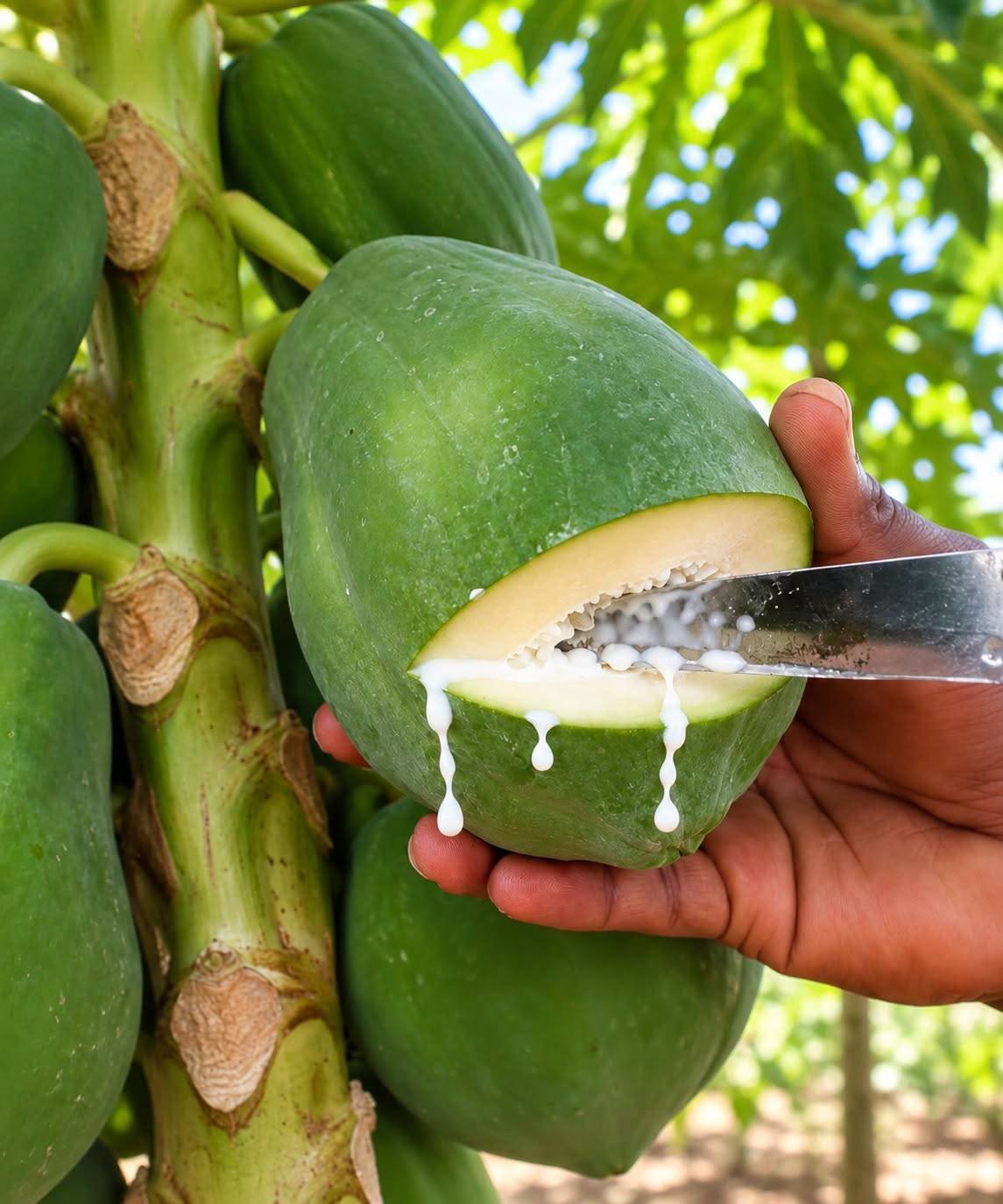
Papaya latex is a thick, white, milk-like substance released when certain parts of the papaya plant (Carica papaya) are cut or damaged.
It is especially noticeable in unripe green papayas, although the leaves and stems also contain latex.
This natural substance plays a protective role in the plant and contains several biologically active compounds.
Among its most studied components are:
- Papain: A natural enzyme capable of breaking down proteins.
- Chymopapain: Another protein-digesting enzyme found in papaya latex.
- Other proteolytic enzymes: Compounds that participate in protein breakdown.
- Plant compounds: Naturally occurring substances being investigated for various biological properties.
These components explain why papaya latex has been used in traditional practices and why purified papaya enzymes are valuable in certain commercial applications.
However, raw latex is different from purified enzymes used in regulated products.
2. Papaya Enzymes and Digestive Health
One of the most interesting characteristics of papaya latex is its ability to break down proteins.
Papain is classified as a proteolytic enzyme, meaning it helps split proteins into smaller components.
This property has made papain useful in food processing, particularly for tenderizing meat.
Could Papaya Enzymes Support Digestion?
Some digestive enzyme supplements contain papain because of its protein-breaking activity.
Researchers have also explored whether papaya-derived preparations may influence digestive comfort.
However, evidence supporting raw papaya latex as a treatment for bloating, indigestion, or other digestive problems remains limited.
An important distinction: Eating ripe papaya as part of a balanced diet is not the same as swallowing concentrated latex from an unripe fruit.
Ripe papaya provides fiber, vitamin C, and other nutrients that can contribute to everyday digestive and nutritional wellness.
Raw papaya latex, on the other hand, may irritate the mouth, throat, or digestive tract and should not be consumed as a homemade remedy.
3. Traditional Interest in Papaya Latex for Intestinal Parasites
In some tropical communities, papaya preparations have historically been associated with traditional approaches to intestinal parasites.
This practice has attracted scientific attention because certain papaya enzymes can affect proteins found in biological tissues.
Some preliminary studies have investigated papaya-derived compounds for potential activity against intestinal worms.
However, these findings do not establish raw papaya latex as a safe or reliable treatment for parasitic infections in humans.
What Should You Know?
- Traditional use does not guarantee clinical effectiveness.
- Research findings from laboratories cannot automatically be applied to people.
- The concentration of active compounds in fresh latex can vary.
- Intestinal parasite infections require appropriate diagnosis and treatment.
If a parasitic infection is suspected, medically approved treatments are safer and more dependable than homemade latex mixtures.
Avoid mixing raw papaya latex with honey, milk, or water for medicinal consumption.
4. Papaya Enzymes in Skin Care
Papaya enzymes have also attracted attention in cosmetic and skin care formulations.
Because papain breaks down proteins, it can be used in certain exfoliating products designed to help remove surface buildup.
This has contributed to the popularity of enzyme-based skin care products.
Potential Cosmetic Applications
Properly formulated papaya enzyme products may help:
- Remove some dead skin cells from the skin’s surface.
- Improve the appearance of rough skin.
- Support a smoother-looking complexion.
- Complement a gentle exfoliation routine.
However, these possible benefits relate to appropriately formulated products rather than fresh latex applied directly to the skin.
Raw papaya latex can cause irritation, allergic reactions, and skin injury.
People with sensitive skin or latex allergies should be particularly cautious.
For everyday skin care, commercially formulated products with clear ingredient information are preferable to homemade preparations containing fresh sap.
5. Why Papaya Latex Is Studied in Wound Care
One of the more scientifically interesting uses of papaya-derived enzymes involves their ability to break down certain proteins.
In wound care, removing damaged or dead tissue is sometimes necessary to support the healing process.
This has led researchers to investigate proteolytic enzymes, including papain, for specialized medical applications.
Some enzyme-based preparations have historically been used for wound debridement.
However, raw papaya latex should never be considered equivalent to a medically prepared wound treatment.
Applying fresh sap to cuts, burns, ulcers, or open wounds may cause irritation, allergic reactions, or additional tissue damage.
Professional wound care remains the appropriate choice for injuries that require treatment.
6. Does Papaya Latex Have Anti-Inflammatory Properties?
Papaya contains a variety of compounds that researchers continue to study.
Certain papaya-derived substances have demonstrated biological activity in laboratory investigations, including effects involving inflammatory pathways.
These findings are interesting, but they do not prove that raw papaya latex can relieve joint pain, swelling, arthritis, or inflammatory skin conditions.
More high-quality human research is needed before specific health benefits can be established.
For general wellness, a balanced diet, regular physical activity, adequate sleep, and appropriate medical care offer more reliable support than untested concentrated plant remedies.
7. Papaya Latex for Warts, Pimples, and Rough Skin: What to Know
Traditional practices sometimes describe applying papaya sap to thickened skin, warts, or blemishes.
The idea is related to the protein-breaking activity of its enzymes.
However, directly applying fresh latex can damage healthy skin as well as the targeted area.
Possible reactions include:
- Redness and burning sensations.
- Contact dermatitis.
- Skin irritation or blistering.
- Allergic reactions.
- Increased sensitivity around delicate areas.
There is insufficient clinical evidence to recommend raw papaya latex as a home treatment for warts or acne.
For warts, established treatments such as appropriately used salicylic acid products or clinician-administered procedures are better-supported options.
For acne, gentle skin care and evidence-based acne treatments are more suitable.
8. Important Safety Precautions Before Using Papaya Latex
Although papaya is widely enjoyed as a nutritious tropical fruit, its concentrated latex deserves special caution.
Avoid Consuming Raw Papaya Latex
There is no well-established safe home dosage for swallowing fresh papaya latex.
Even small quantities may cause unwanted reactions in susceptible individuals.
Be Especially Careful During Pregnancy
Unripe papaya latex has raised safety concerns in pregnancy, including findings from animal research involving uterine activity.
Pregnant individuals should avoid medicinal use of papaya latex and concentrated unripe papaya preparations.
Consider Allergy Risks
Papaya latex contains proteins that may trigger allergic reactions.
People with natural rubber latex allergies may also react to papaya because of cross-reactivity.
Keep It Away From Sensitive Areas
Fresh latex should not be placed in the eyes, mouth, on broken skin, or on sensitive body areas.
Do Not Use It as a Replacement for Medical Treatment
Papaya latex is not a proven treatment for infections, intestinal parasites, arthritis, or chronic skin conditions.
If accidental exposure causes irritation, stop contact and rinse the affected skin with water. Seek medical advice for persistent symptoms or signs of an allergic reaction.
9. Other Interesting Parts of the Papaya Plant
The papaya plant is valued for much more than its fruit.
Different parts have been used in food traditions, agriculture, and scientific research.
Papaya Leaves
Papaya leaves contain plant compounds that have attracted scientific interest.
In some cultures, they are prepared as food or traditional herbal preparations.
Researchers have studied papaya leaf extracts for various biological effects, but many proposed medicinal benefits remain insufficiently established.
Concentrated leaf extracts may also cause adverse effects or interact with medications.
Papaya Stems
Papaya stems contain fibrous plant material and naturally occurring compounds.
In agricultural settings, suitable plant residues may be incorporated into composting systems.
This can help recycle organic matter and reduce plant waste.
Papaya Roots
Papaya roots have appeared in some traditional herbal practices.
However, their medicinal safety and effectiveness have not been adequately established through clinical research.
They should not be consumed as homemade treatments without qualified professional guidance.
10. Papaya Plants and Sustainable Gardening
Beyond food and traditional applications, papaya plants can contribute to sustainable gardening practices.
Their leaves, stems, and other plant residues can provide organic material for composting when managed appropriately.
Potential Gardening Uses
Composting plant waste: Chopped papaya leaves and stems can be combined with other compostable materials.
Supporting soil organic matter: Properly finished compost can improve soil structure and help maintain beneficial soil organisms.
Reducing garden waste: Reusing healthy plant residues can reduce the amount of organic material discarded.
Exploring plant-based agriculture: Researchers continue investigating botanical compounds for possible agricultural applications.
Although papaya compounds have been studied for activity against certain pests, homemade latex sprays should not be assumed safe or effective. Concentrated sap may irritate skin and eyes, and its effects on plants and beneficial insects are not well established.
11. Is Eating Green Papaya the Same as Using Papaya Latex?
No. This is an important difference.
Green papaya is commonly used as a food ingredient in many cuisines.
When properly prepared, it can be part of a varied diet.
Papaya latex, however, is a concentrated substance released from damaged plant tissue.
Its enzyme concentration and potential for irritation make it different from ordinary papaya dishes.
Ripe papaya is generally a more practical option for people interested in the nutritional benefits of this tropical fruit.
It provides:
- Vitamin C to support normal immune function.
- Dietary fiber for digestive health.
- Carotenoids that contribute to its vibrant color.
- Water that supports everyday hydration.
- Naturally occurring plant nutrients.
Rather than experimenting with concentrated sap, enjoying papaya as food is a simpler approach to incorporating the fruit into a healthy lifestyle.
12. Fascinating Facts About Papaya Latex
Here are a few interesting details about this unusual plant substance.
Fact 1: The white sap is most noticeable in immature green papayas.
Fact 2: Papain is used commercially as a meat tenderizer because it breaks down proteins.
Fact 3: Papaya latex contains several enzymes, not just one.
Fact 4: The concentration and composition of papaya latex can vary with fruit maturity and growing conditions.
Fact 5: Purified papaya enzymes have industrial and research applications, but these uses do not establish raw latex as safe for home treatment.
These characteristics make papaya latex an interesting subject for botanical and biochemical research.
Frequently Asked Questions About Papaya Latex
Is papaya latex safe to eat?
Raw papaya latex is not recommended for direct consumption as a home remedy. Its concentrated enzymes may cause irritation or allergic reactions, and a safe medicinal dosage has not been established.
What is the white liquid that comes out of green papaya?
It is called papaya latex, a naturally occurring milky sap containing protein-breaking enzymes such as papain and chymopapain.
Can papaya latex improve digestion?
Papain can break down proteins, but this does not mean that swallowing raw papaya latex is a safe or proven way to improve digestion.
Can papaya latex remove warts?
Traditional practices have included this use, but raw latex can damage healthy skin. Evidence-based wart treatments are preferable.
Is papaya latex good for the skin?
Purified papaya enzymes may be included in formulated exfoliating products. Fresh latex should not be applied directly because of irritation and allergy risks.
Can pregnant women use papaya latex?
Medicinal use of papaya latex should be avoided during pregnancy because of potential safety concerns.
What is the difference between papaya and papain?
Papaya is the fruit of the papaya plant, while papain is a protein-breaking enzyme found in the plant, especially in its latex.
Final Thoughts: A Fascinating Natural Substance That Deserves Respect
The milky-white sap of green papaya is more than an unusual feature of a tropical fruit.
It contains powerful natural enzymes that have been studied for their ability to break down proteins and for their applications in food processing, cosmetics, and specialized research.
Its long history in traditional practices also makes it an interesting part of botanical knowledge.
However, the potential of papaya enzymes should not be confused with the safety of using raw papaya latex at home.
Concentrated plant substances can have unwanted effects, and many traditional claims still require stronger scientific evidence.
For most people, the safest and most enjoyable way to appreciate papaya is to include the fruit in a balanced diet while leaving concentrated enzyme applications to appropriately formulated products and qualified professionals.
Nature offers many fascinating compounds, and understanding both their possibilities and limitations helps us appreciate them responsibly.
Disclaimer: This article is intended for general educational purposes only and does not replace professional medical advice, diagnosis, or treatment.