
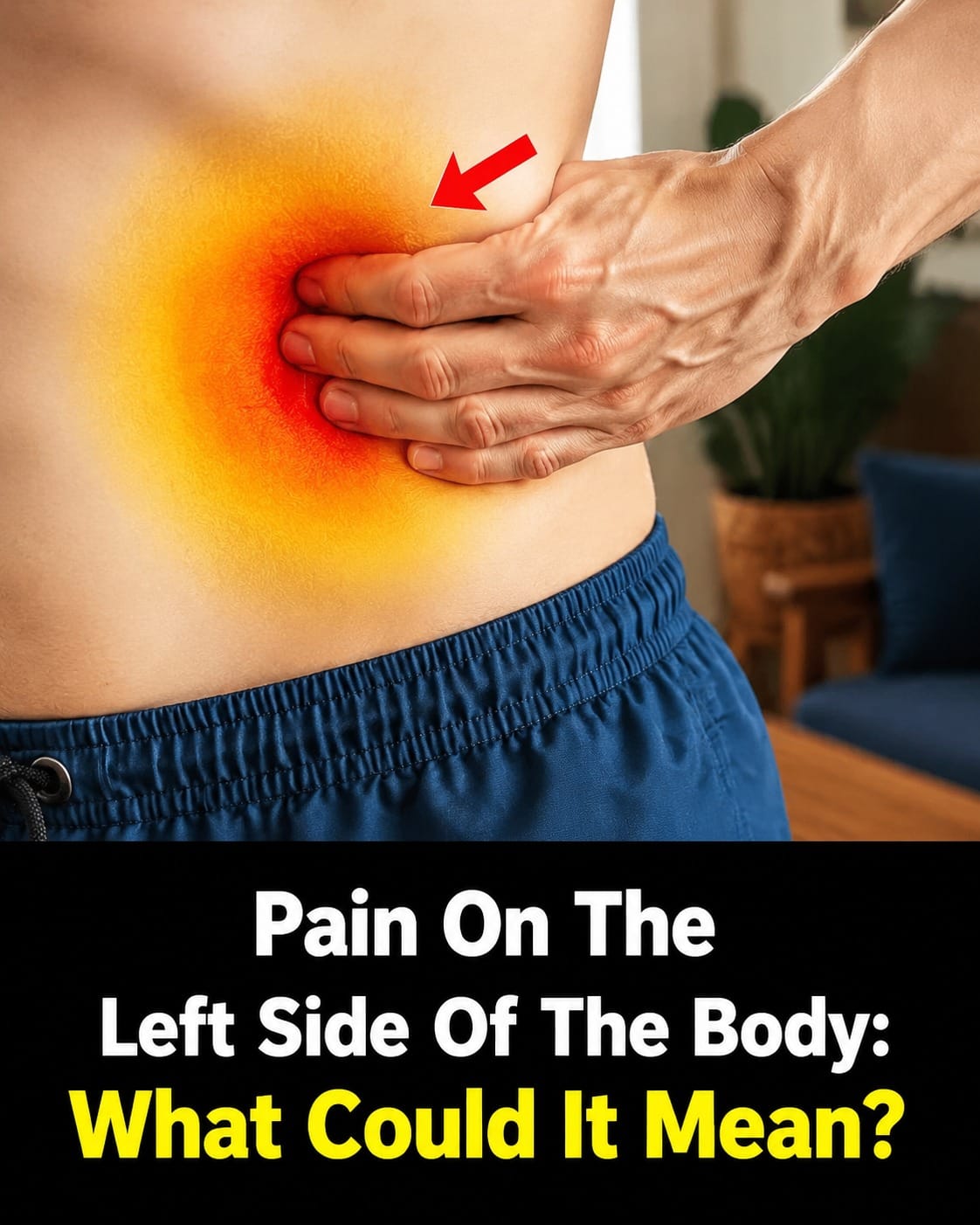
Waking up with an ache or sharp pain on the left side of your body can be more than just annoying—it can leave you feeling worried and unsure about what to do next. That discomfort might make simple tasks like bending over, walking, or even breathing feel challenging, stirring up anxiety about whether it’s something minor or needs attention right away. But the truth is, pain on the left side of the body has many possible explanations ranging from everyday muscle strain to other common issues, and understanding them can help you feel more in control. Stick around until the end because you’ll discover practical ways to track your symptoms and simple habits that many people use to support their comfort while deciding their next steps.
Why Pain on the Left Side of the Body Feels So Concerning
Your body is incredibly smart at sending signals, and pain on the left side often grabs your attention because it can overlap with areas linked to important organs. The left side houses parts of the heart, stomach, pancreas, spleen, left kidney, and the descending colon, so it’s natural to wonder what’s really going on. But here’s the reassuring part: most episodes of left-side discomfort turn out to be temporary and manageable once you understand the bigger picture. Research shared by leading health organizations like the Cleveland Clinic and Mayo Clinic notes that location, intensity, and accompanying symptoms give the clearest clues about what might be happening.
But that’s not the whole story. Pain can also stem from something as simple as how you slept or lifted something the wrong way. The key is learning to listen without panic so you can respond wisely.
Common Possible Causes of Pain on the Left Side of the Body
Pain doesn’t happen in a vacuum. It usually points to a specific area, and breaking it down by location helps paint a clearer picture. Here are some of the most frequently discussed possibilities health experts highlight.
Musculoskeletal Strain and Everyday Overuse
One of the most common reasons people feel pain on the left side is simple muscle or ligament strain. Maybe you twisted while exercising, carried a heavy bag on one shoulder, or even slept in an awkward position. This type of discomfort often feels sharp or achy and gets worse with movement. Studies suggest that poor posture and repetitive motions contribute to these issues more than most people realize.
Digestive Issues That Target the Left Side
Your digestive tract isn’t perfectly symmetrical. The descending colon sits on the left side, so gas, constipation, or bloating can create noticeable pressure or cramping there. In some cases, conditions like diverticulitis (small pouches in the colon) become more common after age 40 and tend to affect the left lower abdomen. If your pain comes with changes in bowel habits, it’s worth paying attention to what you’ve eaten recently.
Kidney and Urinary Tract Concerns
The left kidney sits toward the back on the left side. Stones or infections can cause flank pain that radiates around to the front. This type of discomfort often feels deep and wave-like, sometimes accompanied by urinary changes. Health resources consistently note that staying well-hydrated is one of the simplest ways to support kidney comfort.
Upper Left Abdominal or Chest Sensations
Pain higher up on the left can sometimes relate to the spleen, pancreas, or stomach. Pancreatitis or gastritis, for example, may produce discomfort in the upper left abdomen that feels steady or burning. When pain is in the chest or radiates into the left arm or jaw, it’s especially important to take it seriously and get checked promptly.
But wait—there’s more to consider. Sometimes the pain isn’t coming from an organ at all. Referred pain from the back, ribs, or even shingles can mimic other issues, which is why tracking patterns matters.
Signs It’s Time to Talk With a Healthcare Professional
Knowing when to seek help can bring real peace of mind. While only a qualified provider can give personalized advice, experts recommend paying close attention to these red-flag symptoms:
- Sudden, severe pain that doesn’t ease with rest
- Pain accompanied by shortness of breath, dizziness, or nausea
- Fever, vomiting, or blood in stool or urine
- Pain that spreads to the jaw, neck, or left arm
- Persistent discomfort lasting more than a few days or getting worse
- Unexplained weight loss or changes in bowel or bladder habits
If any of these sound familiar, reaching out to your doctor or urgent care is the smartest move. Early conversations often lead to quicker reassurance or the right next steps.
Practical Steps You Can Take Right Now for Mild Discomfort
The good news? For minor, occasional pain that doesn’t involve red flags, there are several gentle habits you can try while monitoring how you feel. These are not cures, but many people find them helpful for everyday support.
Here’s a simple action plan you can start today:
- Rest and adjust your posture – Lie down in a comfortable position and avoid heavy lifting or twisting for 24–48 hours.
- Apply warmth or cold – A heating pad (on low) or ice pack wrapped in cloth for 15–20 minutes can soothe muscles. Alternate if it feels better.
- Stay hydrated and move gently – Drink plenty of water and try slow walking or gentle stretching to keep things moving.
- Track your symptoms – Note what you ate, how you moved, and when the pain started. This information is gold when speaking with a healthcare provider.
- Consider over-the-counter options carefully – Some people find relief with standard pain relievers, but always check with a pharmacist or doctor first, especially if you take other medications.
Here’s another quick list of supportive daily habits that research links to fewer episodes of general discomfort:
- Eat smaller, more frequent meals and include fiber-rich foods
- Practice stress-reduction techniques like deep breathing or short walks
- Maintain good posture during work and screen time
- Get consistent, quality sleep
- Warm up before exercise and cool down afterward
These small changes add up and help your body stay more resilient.
Lifestyle Habits That Support Comfort on Both Sides of the Body
Prevention feels a lot better than reaction. Leading health sources emphasize that consistent routines can reduce how often random aches appear. Focus on balanced nutrition, regular movement that feels good (not punishing), and listening to your body’s signals. Many readers tell us that once they started journaling their pain patterns alongside daily habits, they felt more confident and less anxious.
But here’s the part that might surprise you most: sometimes the simplest awareness—knowing your own “normal” and spotting changes early—makes the biggest difference.
Wrapping It Up: Knowledge Is Your Best Ally
Pain on the left side of the body can feel scary at first, but it’s often your body’s way of asking for a little attention. By understanding common possibilities, watching for key warning signs, and using gentle supportive habits, you’re already taking positive steps. Remember, this information is here to empower you, not replace professional care.
The next time discomfort shows up, you’ll have a clearer roadmap instead of spiraling worry. Listen to your body, act with care, and don’t hesitate to reach out to a healthcare provider when something feels off.
Frequently Asked Questions
Is pain on the left side of the body always serious?
Not at all. Many cases are linked to temporary muscle strain, gas, or posture issues. However, any sudden or persistent pain deserves a professional evaluation to rule out anything that needs prompt attention.
How long should I wait before seeing a doctor for left-side pain?
If the pain is mild and improves with rest and basic self-care, you can monitor for a day or two. But if it’s severe, worsening, or comes with other symptoms like fever or breathing changes, contact a healthcare provider sooner rather than later.
Can everyday habits really make a difference with recurring left-side discomfort?
Yes—many people notice improvement by staying hydrated, eating balanced meals, managing stress, and moving regularly. Tracking triggers in a simple journal often reveals patterns you can address with small, sustainable changes.
Disclaimer: This article is for informational and educational purposes only. It is not intended to diagnose, treat, or provide medical advice. Always consult with a qualified healthcare professional for any health concerns or before making changes to your routine. Individual experiences vary, and only a licensed provider can offer personalized guidance.