Never Consume Too Much Garlic If You Have These 7 Health Conditions: Important Risks You Should Know
Never Consume Too Much Garlic If You Have These 7 Health Conditions: Important Risks You Should Know
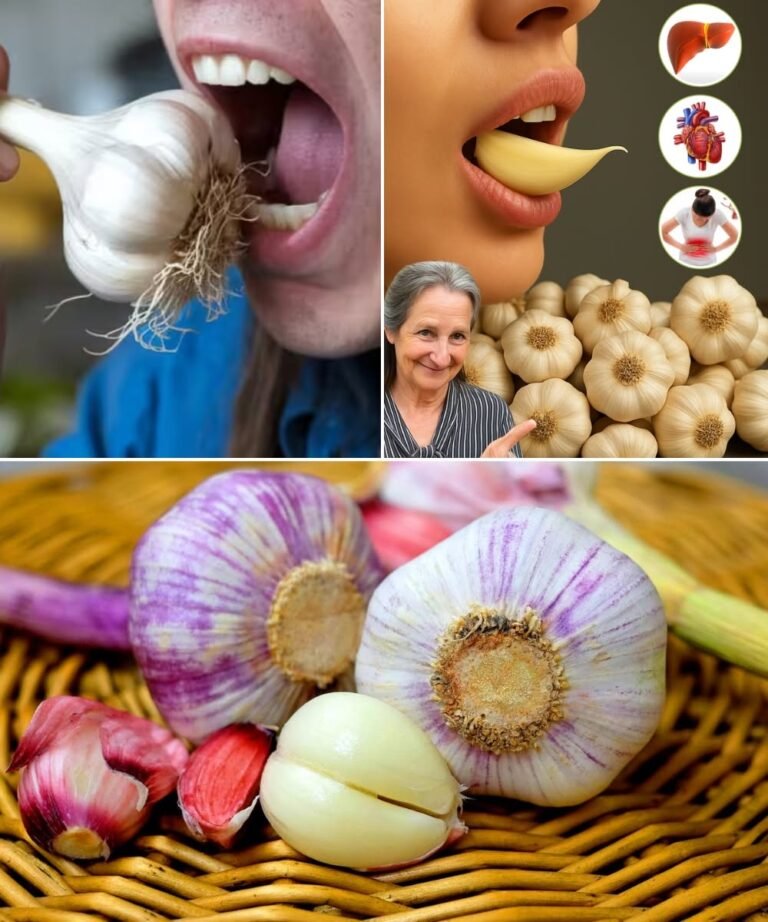
Garlic has been used for centuries in cooking and traditional medicine. Known for its distinctive flavour, garlic also contains natural compounds, including allicin, that have attracted considerable scientific interest.
Some studies suggest that garlic supplements may help modestly lower cholesterol and blood pressure in certain people.
However, garlic is not completely risk-free. In some situations, particularly when consumed in large amounts or as concentrated supplements, it may cause side effects and interact with medications.
If you take regular medication or have a chronic health condition, understanding these precautions is important.
Here are seven situations in which you should be particularly careful with garlic.
1. People Taking Blood Thinners
This is one of the most important precautions concerning garlic supplements.
Garlic may affect platelet activity and increase the risk of bleeding, particularly when consumed in concentrated supplement form.
People taking medications such as:
- Warfarin.
- Aspirin.
- Clopidogrel.
- Other anticoagulant or antiplatelet medications.
should consult their healthcare provider before taking garlic supplements.
Combining concentrated garlic supplements with these medications may increase the risk of unusual bleeding and bruising.
Important: Using ordinary amounts of garlic in food is not the same as taking concentrated garlic supplements every day.
2. People Preparing for Surgery
If you are scheduled for surgery, it is important to tell your surgeon about all herbal products and dietary supplements you take.
Garlic supplements may increase the risk of bleeding during or after certain surgical procedures.
This precaution may also apply before some dental procedures.
Your healthcare provider can advise you whether you should temporarily stop taking garlic supplements before surgery and when it is safe to restart them.
Never make changes to prescribed medications without medical advice.
3. People With Bleeding Disorders
Individuals with bleeding disorders should be particularly cautious about concentrated garlic supplements.
Certain compounds in garlic may influence platelet function and blood clotting.
For people who already have an increased risk of bleeding, taking high-dose garlic supplements could potentially make the situation worse.
If you have a diagnosed bleeding disorder, experience frequent unexplained bruising or have a history of unusual bleeding, speak with your healthcare professional before using garlic supplements.
4. People With Low Blood Pressure
Some research suggests that garlic supplements may help lower blood pressure modestly in certain individuals.
Although this may be beneficial for some people with high blood pressure, it could be a concern for individuals who already have naturally low blood pressure.
People taking blood pressure medications should seek medical advice before starting concentrated garlic supplements.
Watch for symptoms such as:
- Dizziness.
- Light-headedness.
- Weakness.
- Feeling faint when standing up.
These symptoms can have several causes and should be medically assessed if they persist.
5. People With Digestive Problems
Raw garlic, particularly in large quantities, can cause digestive discomfort.
Possible side effects include:
- Heartburn.
- Bloating.
- Excessive gas.
- Abdominal discomfort.
- Nausea.
- Acid reflux.
People with gastroesophageal reflux disease (GERD) or sensitive digestive systems may notice that their symptoms become worse after eating garlic.
If garlic regularly causes digestive discomfort, consider reducing your intake and discussing persistent symptoms with a healthcare professional.
6. People With Garlic Allergies
Although relatively uncommon, garlic allergies can occur.
Some individuals may develop an allergic reaction after eating garlic or coming into direct contact with it.
Possible symptoms include:
- Itching.
- Skin redness.
- Hives.
- Swelling of the lips or face.
- Breathing difficulties in severe cases.
If you have previously experienced an allergic reaction to garlic, avoid consuming it and seek medical advice.
Difficulty breathing or swelling of the tongue or throat requires immediate emergency medical attention.
7. People Taking Certain Prescription Medications
Garlic may interact with certain medications, particularly when consumed as a concentrated dietary supplement.
Interactions have been reported with some HIV medications, including saquinavir.
Garlic supplements may reduce the amount of this medication circulating in the blood, potentially affecting its effectiveness.
People taking ciclosporin following an organ transplant should also seek medical advice because certain garlic preparations may interfere with medication effectiveness.
If you take several prescription medications, always check for possible interactions with your doctor or pharmacist before starting garlic supplements.
What Are the Potential Health Benefits of Garlic?
Despite these precautions, garlic remains an interesting and nutritious ingredient.
It contains several sulphur compounds, including allicin, which have been investigated for their potential biological effects.
Here are some areas where research has shown promising findings:
1. Cholesterol: Certain garlic supplements may help modestly reduce total cholesterol and LDL cholesterol in people with elevated levels.
2. Blood Pressure: Some studies suggest that garlic supplements may produce modest reductions in blood pressure.
3. Antioxidant Properties: Garlic contains compounds that have demonstrated antioxidant activity in various studies.
4. Cardiovascular Health: Researchers continue to investigate garlic’s potential effects on several cardiovascular risk factors, although evidence remains limited for some claimed benefits.
These findings do not mean that garlic can replace prescribed medications or independently treat chronic diseases.
How to Consume Garlic More Safely
For most adults, garlic used in ordinary culinary amounts is generally well tolerated.
A few simple precautions can help:
- Use garlic in reasonable amounts when cooking.
- Avoid excessive amounts of raw garlic if they cause digestive problems.
- Do not start concentrated garlic supplements without medical advice.
- Inform your doctor about all herbal products and supplements you use.
- Never replace prescribed medication with garlic.
- Avoid applying raw garlic directly to your skin, as it can cause irritation and even chemical burns.
Final Thoughts: Garlic Can Be Beneficial, but It Is Not Risk-Free
Garlic can add flavour to meals and contribute to a varied, balanced diet. Certain garlic supplements have also demonstrated modest effects on some cardiovascular risk factors.
However, concentrated garlic supplements are not suitable for everyone.
People taking blood thinners, those with bleeding disorders, individuals preparing for surgery and people using certain prescription medications should take particular care.
Remember: Just because something is natural does not automatically mean it is safe for everyone.
Enjoy garlic as part of a balanced diet, but avoid taking high doses of garlic supplements without understanding the possible risks and interactions with your medications.
Medical Disclaimer: This article is intended for general educational purposes only. It does not replace professional medical advice, diagnosis or treatment.