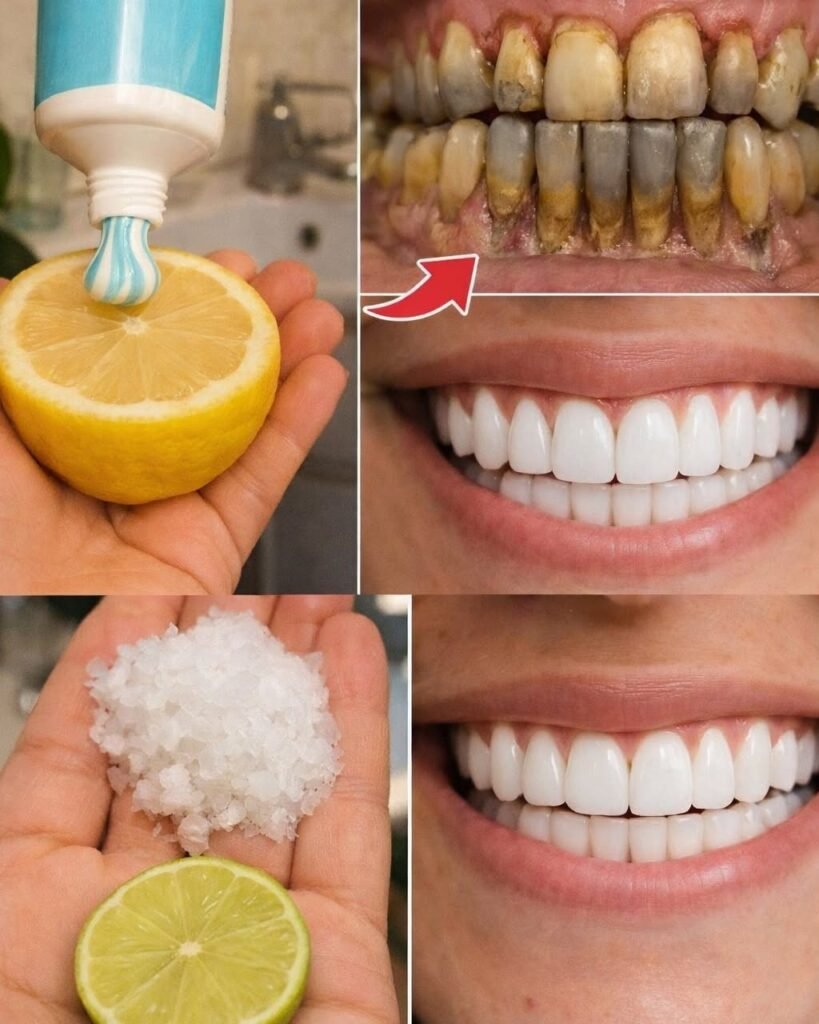
Natural Teeth Whitening at Home: Safe Ways to Brighten Your Smile and Improve Oral Health
A bright, confident smile is something many people desire. However, daily habits like drinking coffee, tea, smoking, eating colorful foods, and natural aging can gradually make teeth appear dull or stained.
While professional dental whitening treatments can provide dramatic results, many people search for natural teeth whitening methods at home that are affordable, simple, and gentle on their enamel.
The good news is that a few carefully chosen ingredients and healthy oral care habits may help remove surface stains and support a cleaner, brighter smile.
What Causes Yellow Teeth and Tooth Stains?
Before starting any whitening routine, it is important to understand why teeth become discolored.
Common causes include:
- Coffee and tea consumption
- Red wine and dark-colored foods
- Smoking and tobacco use
- Poor brushing habits
- Plaque buildup
- Certain medications
- Natural aging
- Enamel thinning over time
Many home whitening methods mainly help with surface stains. They may not significantly change the natural color of teeth or remove deeper discoloration.
Gentle Natural Teeth Whitening Routine at Home
A safe approach focuses on protecting enamel while improving the appearance of stained teeth.
1. Baking Soda for Removing Surface Stains
Baking soda is a common ingredient found in many commercial toothpaste products because it has mild polishing properties.
It may help remove surface discoloration caused by food and drinks.
How to Use Baking Soda Safely:
- Mix a small amount of baking soda with water until it forms a paste.
- Brush gently for about 1–2 minutes.
- Rinse your mouth thoroughly.
Use this method occasionally rather than daily because excessive abrasion may affect enamel.
2. Diluted Hydrogen Peroxide for a Brighter Smile
Hydrogen peroxide is widely used in professional and over-the-counter whitening products.
When used correctly, diluted hydrogen peroxide may help reduce certain types of tooth stains.
Safe Method:
- Use a low concentration solution.
- Dilute it with an equal amount of water.
- Swish briefly for 30–60 seconds.
- Spit it out and rinse well.
Never swallow hydrogen peroxide, and avoid frequent use without professional dental advice.
3. Coconut Oil Pulling for Fresh Breath
Coconut oil pulling is an ancient oral care practice that involves swishing oil in the mouth.
While it may not dramatically whiten teeth, it can support oral hygiene by helping reduce unwanted bacteria.
How to Try Oil Pulling:
- Place one tablespoon of coconut oil in your mouth.
- Swish gently for 10–15 minutes.
- Spit it out.
- Brush your teeth afterward.
Avoid swallowing the oil.
4. Strawberry-Based Whitening Method
Strawberries contain natural acids that may help loosen some surface stains.
Simple Method:
- Mash one ripe strawberry.
- Add a small amount of baking soda.
- Apply briefly to teeth.
- Rinse thoroughly and brush afterward.
Because acidic ingredients can affect enamel if overused, this method should only be done occasionally.
Daily Habits That Naturally Keep Teeth Whiter
The best teeth whitening strategy is prevention.
Follow these habits for long-term oral health:
Brush Twice Daily
Use fluoride toothpaste and brush gently for two minutes.
Floss Regularly
Flossing removes food particles and plaque between teeth where brushes cannot reach.
Drink More Water
Rinsing your mouth with water after coffee, tea, or meals can reduce staining.
Limit Stain-Causing Foods
Reduce excessive intake of:
- Coffee
- Tea
- Soda
- Tobacco products
- Dark-colored sauces
Visit Your Dentist
Regular dental checkups help prevent cavities, gum problems, and stubborn discoloration.
Important Teeth Whitening Safety Tips
Natural remedies are not always risk-free.
Protect your smile by remembering:
- Avoid aggressive brushing.
- Do not apply lemon juice directly to teeth.
- Do not overuse abrasive ingredients.
- Stop any method that causes sensitivity or pain.
- Protect your enamel above everything else.
Healthy enamel is essential for maintaining strong and attractive teeth.
Professional Teeth Whitening vs Home Remedies
At-home methods may help with mild surface stains, but professional whitening treatments can provide stronger and more predictable results.
A dentist can recommend suitable options based on:
- Tooth sensitivity
- Existing dental work
- Type of discoloration
- Overall oral health
For deep stains or yellowing caused by internal changes, professional treatment may be more effective.
Final Thoughts
A brighter smile does not always require expensive treatments. A consistent oral hygiene routine, healthy lifestyle choices, and careful use of gentle whitening methods may help improve the appearance of stained teeth.
Ingredients like baking soda, diluted hydrogen peroxide, and coconut oil are popular natural options, but moderation is essential.
The foundation of a beautiful smile is not just whitening — it is protecting your enamel, maintaining healthy gums, and practicing daily dental care.