Natural Leaf Teas: How to Prepare Them Safely and What You Should Know
Natural Leaf Teas: How to Prepare Them Safely and What You Should Know

Natural Leaf Teas: How to Prepare Them Safely and What You Should Know
Have you ever wondered whether the leaves growing around you can be used to make a simple herbal tea?
Herbal teas and leaf infusions have been part of traditional food cultures for generations. Today, they are also popular among people looking for simple ways to add variety to a balanced diet.
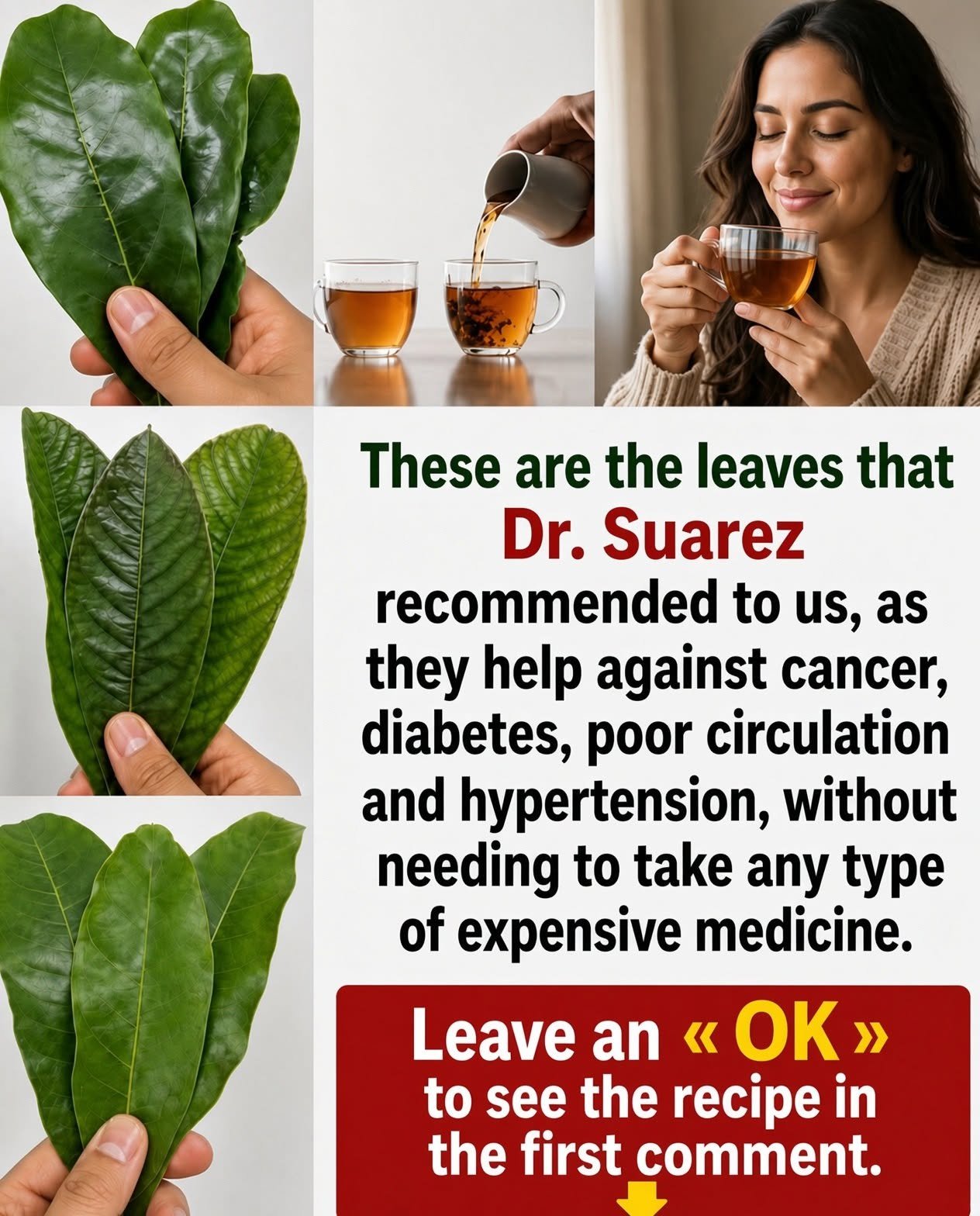
However, social media is filled with claims that certain plants can “cure” cancer, diabetes, high blood pressure, or circulation problems.
These claims should be treated with caution.
No herbal tea or leaf should replace prescribed medication, medical appointments, or evidence-based treatment.
That doesn’t mean every herbal infusion is useless. Some edible plants can be enjoyed as part of a varied diet when they are correctly identified, prepared properly, and consumed in moderation.
Let’s look at a simple way to prepare a leaf tea and the precautions you should know before trying one.
How to Make a Basic Leaf Tea
A simple infusion can be prepared with fresh, edible leaves that you know are safe for consumption.
Ingredients
- 3–4 fresh edible leaves, thoroughly washed
- 500 ml of water
- A few drops of lemon, optional
- A small amount of honey, optional
Preparation
- Wash the leaves thoroughly under running water.
- Heat the water until it reaches a boil.
- Turn off the heat.
- Add the leaves to the hot water.
- Cover the container and allow the leaves to steep for approximately 5–10 minutes.
- Strain the tea.
- Allow it to cool to a comfortable temperature before drinking.
If you have never consumed a particular plant before, start with a small amount rather than drinking a concentrated preparation.
Can You Add Cinnamon?
If you enjoy a warmer, more aromatic flavor, you can add a small piece of cinnamon stick during the infusion.
Simply place a small piece of cinnamon into the hot water together with the leaves and allow everything to steep.
However, more is not necessarily better.
If you plan to drink herbal tea frequently, avoid using excessive amounts of cinnamon or highly concentrated preparations.
Another Option: Add Edible Leaves to Your Meals
Some edible leaves don’t need to be prepared as tea at all.
Depending on the specific plant, suitable leaves may be incorporated into everyday meals such as:
- Soups and broths
- Stir-fried dishes
- Salads, when the leaves are safe to eat raw
- Smoothies or green drinks in appropriate quantities
- Vegetable-based dishes
This can be an easy way to increase variety in your diet.
The Most Important Rule: Identify the Plant Correctly
Never consume an unfamiliar leaf simply because it looks similar to a plant you’ve seen before.
Different plant species can have very similar appearances, and some may be toxic or unsafe to consume.
Before preparing any wild or unfamiliar plant, make sure you can identify the exact species and confirm that it is edible.
Can Leaf Teas Cure Diseases?
This is where it’s important to separate traditional use from medical evidence.
There is no herbal tea that should be considered a replacement for proven treatment for cancer, diabetes, hypertension, or cardiovascular disease.
For example, a healthy diet can support people living with diabetes, but prescribed medications and medical monitoring remain important when recommended by a healthcare professional.
The same applies to high blood pressure.
Managing hypertension may involve a combination of:
- A balanced diet
- Appropriate physical activity
- Maintaining a healthy weight
- Limiting excessive sodium
- Managing other risk factors
- Taking prescribed medication correctly
People undergoing cancer treatment should also never stop chemotherapy, radiation, surgery, immunotherapy, or other prescribed treatment in favor of a homemade herbal remedy.
Natural does not automatically mean safe or effective.
Natural Products Can Still Have Side Effects
One common misconception is that something is harmless simply because it comes from a plant.
In reality, certain herbs can cause side effects or interact with medications.
Extra caution is recommended if you:
- Take medication for blood pressure
- Take medication for diabetes
- Use blood thinners or anticoagulants
- Have kidney disease
- Have liver disease
- Are pregnant or breastfeeding
- Are undergoing cancer treatment
- Have a known allergy to plants or herbs
If any of these apply to you, speak with a doctor, pharmacist, or qualified healthcare professional before regularly consuming concentrated herbal teas.
Why Proper Preparation Matters
The strength of an herbal infusion can vary significantly depending on:
- The plant species
- The amount of leaves used
- How long the leaves are steeped
- Water temperature
- Whether the leaves are fresh or dried
- How frequently the tea is consumed
A stronger preparation isn’t necessarily more beneficial.
For plants with limited safety information, experimenting with concentrated homemade preparations can be risky.
How to Make Herbal Tea Part of a Balanced Routine
If you enjoy herbal teas, think of them as a beverage that complements your lifestyle, rather than a miracle treatment.
A healthy routine can include:
A Varied Diet
Eat a variety of vegetables, fruits, whole grains, legumes, nuts, seeds, and appropriate sources of protein.
Regular Movement
Choose physical activities that are appropriate for your age and fitness level.
Adequate Hydration
Water should remain the primary source of hydration for most people.
Good Sleep
Consistent, quality sleep is an important part of overall well-being.
Responsible Use of Herbal Products
Choose plants that are correctly identified and known to be safe for consumption.
Frequently Asked Questions
Can herbal tea replace medication?
No. Herbal teas should not replace prescribed medications or medically recommended treatments.
Are all leaves safe to use as tea?
No. Some leaves are edible, while others can be toxic. Correct identification is essential.
Can I drink herbal tea every day?
That depends on the specific plant, preparation, quantity, and your individual health situation. Some herbs may interact with medications or cause side effects when consumed regularly.
Can people with diabetes drink herbal tea?
Some unsweetened herbal teas may fit into a balanced diet, but people with diabetes should be cautious with herbs that may affect blood glucose or interact with medication.
Can herbal tea cure high blood pressure?
There is no reliable basis for using homemade herbal tea as a replacement for hypertension treatment. If you have high blood pressure, follow your healthcare professional’s recommendations.
Is homemade herbal tea always safer than medicine?
No. “Natural” and “safe” are not interchangeable. Certain plants contain powerful compounds that can cause adverse effects or interact with medications.
Final Thoughts
Natural leaf teas can be a pleasant way to explore traditional beverages and add variety to your daily routine, provided the plant is correctly identified and known to be edible.
The key is moderation, proper preparation, and realistic expectations.
Instead of viewing an herbal tea as a cure-all, consider it one small part of a healthy lifestyle that includes nutritious food, regular movement, adequate hydration, and appropriate medical care.
And remember: if you’re taking medication or managing a health condition, talk with a healthcare professional before regularly using concentrated herbal preparations.
🌿 If you’d like to save this simple herbal tea idea for later, leave an “OK” in the comments and check the first comment for the preparation steps.