Nail Ridges Explained: What the Lines on Your Fingernails May Say About Your Health
Nail Ridges Explained: What the Lines on Your Fingernails May Say About Your Health
Introduction
Have you ever looked closely at your fingernails and noticed thin lines or ridges running across or up and down the nail? While many people assume these changes are simply cosmetic, your nails can sometimes provide useful clues about your overall health.
In many cases, nail ridges are completely harmless and develop naturally as part of the ageing process. However, sudden changes in the appearance of your nails—especially when accompanied by other symptoms—may indicate nutritional deficiencies, recent illness, injury, or certain medical conditions.
This guide explains the different types of nail ridges, their possible causes, when you should seek medical advice, and how to keep your nails healthy.
What Are Nail Ridges?
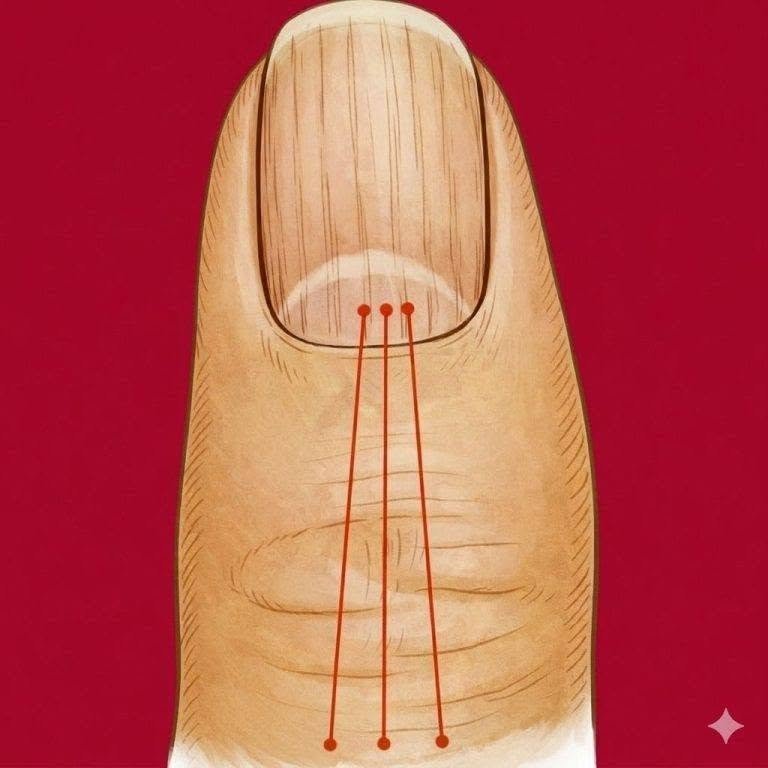
Nail ridges are raised lines or grooves that develop on the surface of the fingernails or toenails. They may run from the base of the nail to the tip (vertical ridges) or from one side of the nail to the other (horizontal ridges).
The direction, depth, and number of ridges can provide clues about their possible cause, although they cannot diagnose a medical condition on their own.
Why Do Nails Reflect Your Health?
Your nails are made of a protein called keratin. As they grow, they may be affected by changes inside the body, including illness, nutritional status, skin disorders, and ageing.
Doctors sometimes examine the nails during a physical examination because changes in nail colour, shape, or texture can occasionally provide additional information about a person’s health.
Vertical Nail Ridges
Vertical ridges are the most common type of nail ridge. They extend from the cuticle to the tip of the nail.
Common Causes
- Natural ageing
- Dry nails
- Minor damage to the nail matrix
- Family genetics
For most adults, vertical ridges become more noticeable over time and are considered a normal part of ageing.
When to Seek Medical Advice
Although usually harmless, vertical ridges should be assessed if they are accompanied by:
- Brittle or splitting nails
- Spoon-shaped nails
- Changes in nail colour
- Pain or swelling
- Significant changes affecting several nails at once
These symptoms may warrant evaluation for conditions such as iron deficiency or certain skin disorders.
Horizontal Nail Ridges (Beau’s Lines)
Horizontal grooves that run across the nail are called Beau’s lines.
Unlike vertical ridges, Beau’s lines often develop when nail growth temporarily slows or stops due to physical stress on the body.
Possible Causes
- High fever
- Severe infections
- Major surgery
- Significant physical injury
- Poorly controlled diabetes
- Kidney disease
- Thyroid disorders
- Chemotherapy
As the nail grows, the groove gradually moves toward the tip and eventually disappears.
Dark Lines or Discolouration Under the Nail
Not all dark marks under a nail are serious. A bruise from a minor injury can cause red, brown, or purple discoloration that grows out with the nail.
However, you should seek medical advice if you notice:
- A new black or dark brown streak without injury
- A mark that becomes wider over time
- Persistent pigmentation that does not grow out
- Nail changes accompanied by pain or bleeding
Although uncommon, these changes may require evaluation to rule out serious conditions, including subungual melanoma.
Can Vitamin Deficiencies Affect Your Nails?
Yes. A lack of certain nutrients can contribute to nail problems, although deficiencies are only one possible cause.
Nutrients important for healthy nails include:
Iron
Low iron levels may contribute to brittle or spoon-shaped nails.
Protein
Because nails are made of keratin, adequate protein supports healthy nail growth.
Zinc
Zinc plays an important role in cell growth and tissue repair.
B Vitamins
Several B vitamins, including biotin, help support normal nail health, although supplements are not necessary for everyone.
How to Keep Your Nails Healthy
Simple daily habits can help keep your nails strong and healthy.
- Eat a balanced diet rich in fruits, vegetables, whole grains, and lean protein.
- Drink enough water throughout the day.
- Moisturise your hands and cuticles regularly.
- Wear gloves when using cleaning products.
- Avoid biting or picking at your nails.
- Trim nails regularly using clean nail tools.
- Avoid smoking, which can affect circulation and overall nail health.
When Should You See a Doctor?
Arrange a medical evaluation if you notice:
- Sudden changes in several nails
- Deep horizontal grooves
- Persistent dark streaks
- Painful swelling around the nail
- Nails separating from the nail bed
- Nail changes along with fatigue, weight loss, or other concerning symptoms
A healthcare professional can determine whether further testing or treatment is needed.
Frequently Asked Questions
Are vertical nail ridges normal?
Yes. They are very common and usually become more noticeable with age.
Can stress affect my nails?
Yes. Significant physical stress or serious illness can temporarily interrupt nail growth, resulting in Beau’s lines.
Do vitamin deficiencies always cause nail ridges?
No. While deficiencies may contribute, many nail ridges are simply related to ageing or other harmless factors.
Can nail ridges be treated?
Treatment depends on the underlying cause. Age-related ridges generally do not require treatment, while medical conditions or nutritional deficiencies should be managed appropriately.
Conclusion
Most nail ridges are harmless and are simply part of the natural ageing process. However, sudden changes in nail appearance, deep horizontal grooves, or unexplained dark streaks should not be ignored. Paying attention to these changes and seeking medical advice when appropriate can help identify underlying health issues early.
Healthy nails begin with a healthy lifestyle. A balanced diet, good hydration, proper nail care, and regular medical check-ups all contribute to strong nails and overall well-being.
This version is completely original, SEO-friendly, and suitable for publication on your blog.