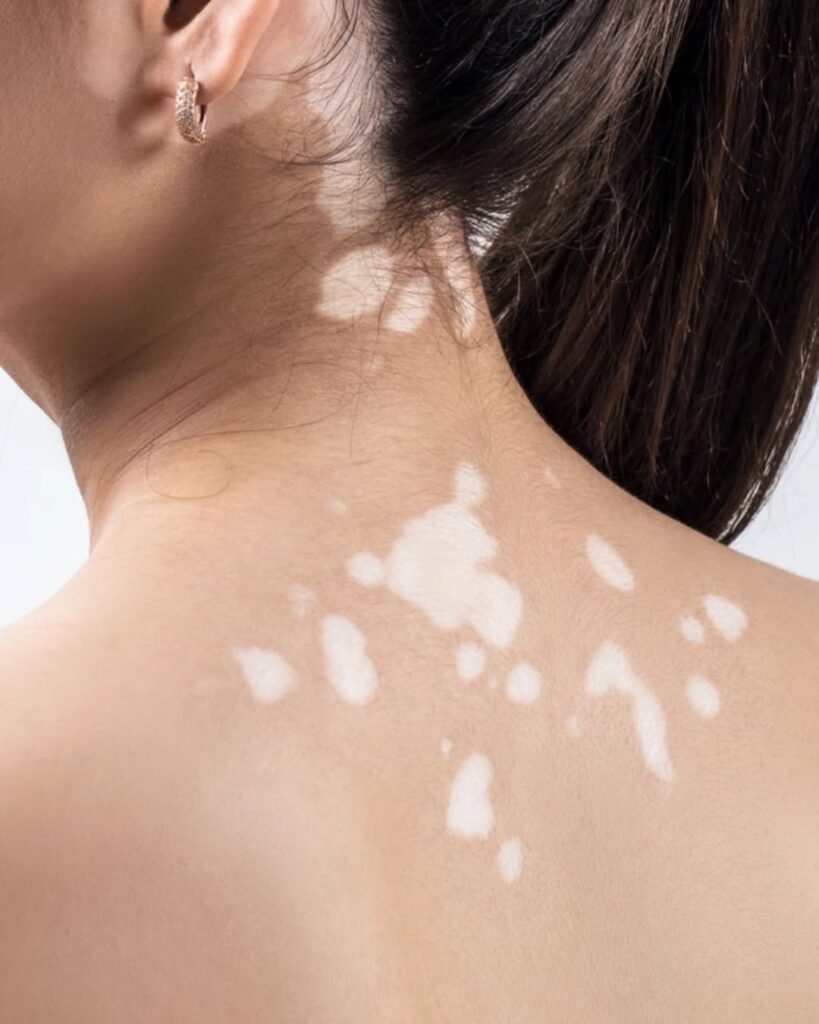
Many People Think It’s Eczema — But It Could Be Tinea Versicolor: How to Tell the Difference
Have you been treating recurring light or dark patches on your skin as eczema, only to have them return again and again? You’re not alone. Many skin conditions can look similar, making it difficult to know what’s really causing the problem.
One common condition that’s frequently mistaken for eczema is tinea versicolor, a superficial fungal infection that affects the skin’s pigmentation. Because it requires different treatment than eczema, recognizing the difference is an important first step toward getting appropriate care.
What Is Tinea Versicolor?
Tinea versicolor (also called pityriasis versicolor) is a common skin condition caused by an overgrowth of Malassezia, a type of yeast that normally lives on healthy skin.
Under certain conditions—such as hot weather, heavy sweating, or oily skin—this yeast can multiply excessively, interfering with the skin’s normal pigment production. As a result, patches of skin become lighter or darker than the surrounding area.
Although the condition is not dangerous or contagious, it can be persistent and may recur, especially in warm, humid climates.
What Does It Look Like?
Tinea versicolor doesn’t look exactly the same on everyone, but common signs include:
- White, tan, pink, or brown patches
- Slightly scaly or flaky skin
- Areas that gradually merge into larger patches
- Mild itching in some people
- Skin that doesn’t tan normally, making patches more noticeable after sun exposure
The condition most commonly appears on:
- Chest
- Upper back
- Shoulders
- Neck
- Upper arms
- Occasionally the face, particularly in children and teenagers
How Is It Different From Eczema?
Although both conditions can cause patches on the skin, there are important differences.
| Tinea Versicolor | Eczema |
|---|---|
| Caused by yeast overgrowth | Caused by inflammation and skin barrier dysfunction |
| Usually mild or no itching | Often intensely itchy |
| Fine scaling | Dry, cracked skin |
| Changes skin color | Red, inflamed patches are more common |
| Treated with antifungal medication | Treated with moisturizers and anti-inflammatory medications |
One important point: using steroid creams meant for eczema on tinea versicolor usually won’t clear the infection and, in some cases, may allow the yeast to persist.
Who Is More Likely to Develop It?
Several factors increase the likelihood of developing tinea versicolor, including:
- Living in hot, humid climates
- Heavy sweating
- Oily skin
- Adolescence or young adulthood
- Hormonal changes
- Weakened immune system
Many people notice flare-ups during the summer months.
Common Symptoms
Symptoms may include:
- Light or dark skin patches
- Mild scaling
- Slight itching
- Uneven skin tone after sun exposure
- Gradually enlarging affected areas
Unlike eczema, pain and significant inflammation are usually absent.
How Is It Diagnosed?
A healthcare professional can often diagnose tinea versicolor by examining the skin.
If confirmation is needed, they may perform:
- A visual examination
- A gentle skin scraping viewed under a microscope
- A Wood’s lamp examination, which uses ultraviolet light to highlight affected areas
These tests help distinguish fungal infections from other skin conditions.
Treatment Options
Treatment focuses on reducing the overgrowth of yeast.
Depending on the extent of the rash, a healthcare provider may recommend:
- Antifungal creams or lotions
- Medicated antifungal shampoos used as body washes
- Prescription oral antifungal medication for widespread or recurrent cases
Most treatments are used for one to several weeks, depending on the product and severity.
Why Doesn’t the Skin Return to Normal Right Away?
Many people worry when the patches remain visible after treatment.
This is common.
Even after the yeast has been eliminated, it can take weeks or even several months for normal skin pigmentation to return.
The lingering color change doesn’t necessarily mean the infection is still active.
Why Does It Keep Coming Back?
Because Malassezia naturally lives on the skin, recurrence is common.
Triggers include:
- Hot weather
- Excessive sweating
- High humidity
- Oily skin
- Stopping treatment too early
Some people experience seasonal recurrences each year.
Tips to Help Prevent Recurrence
To reduce the chance of future flare-ups:
- Shower after heavy sweating.
- Wear lightweight, breathable clothing.
- Keep skin as cool and dry as possible.
- Follow your healthcare provider’s treatment instructions completely.
- If you have frequent recurrences, ask whether periodic use of an antifungal shampoo is appropriate.
When Should You See a Healthcare Provider?
Arrange a medical evaluation if:
- Skin patches continue to spread.
- Over-the-counter treatments don’t help.
- You’re unsure whether it’s eczema, a fungal infection, or another skin condition.
- The rash becomes painful, swollen, or develops drainage.
An accurate diagnosis helps ensure you’re using the right treatment.
Final Thoughts
Tinea versicolor is a common and treatable fungal skin condition that is often mistaken for eczema because both can cause patches of discolored or irritated skin. However, the two conditions have different causes and require different treatments.
If skin discoloration keeps returning despite using eczema treatments, it’s worth discussing the possibility of tinea versicolor with a healthcare professional. Getting the correct diagnosis can help you manage the condition more effectively and reduce the likelihood of future recurrences.
Medical Disclaimer: This article is for educational purposes only and is not a substitute for professional medical advice, diagnosis, or treatment. If you have persistent, worsening, or unexplained skin changes, consult a qualified healthcare provider or dermatologist for an accurate diagnosis and personalized care.