
Supporting Digestive Health Safely
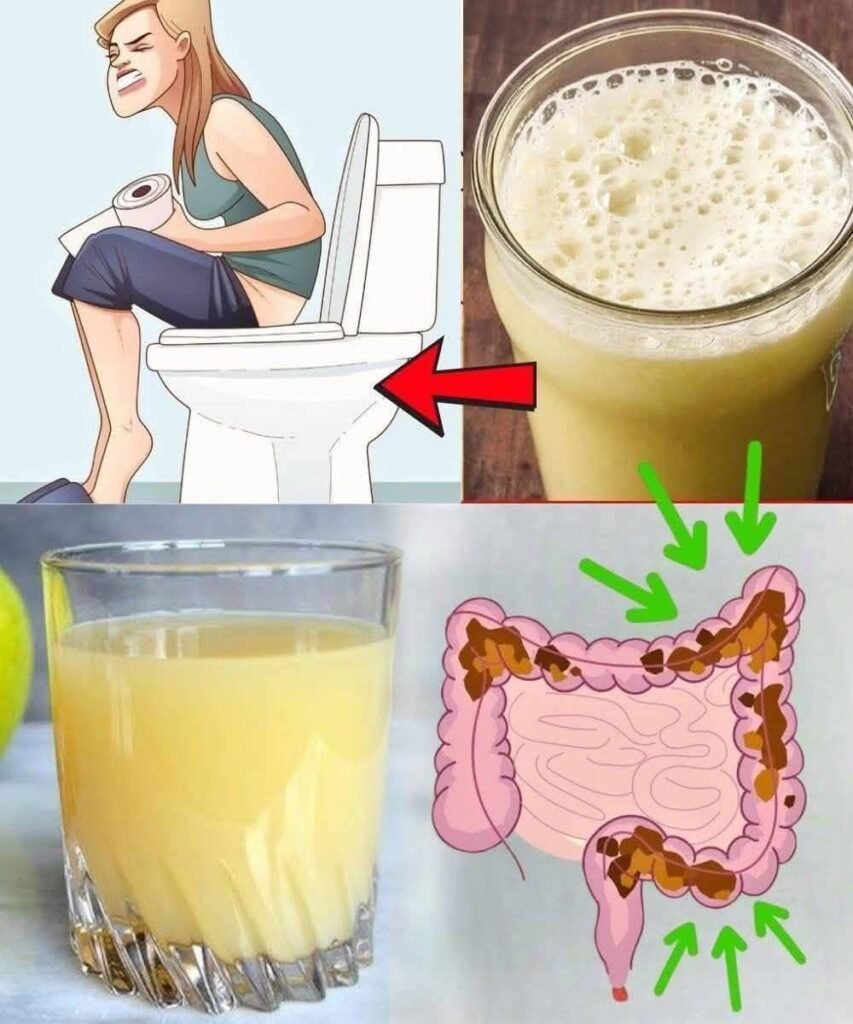
Images and social media posts often claim that a special drink can “clean out” the colon or remove large amounts of waste. Here’s what the evidence says.
1. What Your Colon Actually Does
Your colon absorbs water and electrolytes, houses beneficial gut bacteria, and moves stool toward elimination. It does not normally store kilograms of waste. Bloating or constipation is more commonly related to diet, hydration, physical activity, medications, or certain medical conditions.
2. Safe Habits That Support Regular Digestion
- Eat more fiber: Fruits, vegetables, whole grains, beans, lentils, chia seeds, and flaxseeds can help promote regular bowel movements. Increase fiber gradually and drink enough water.
- Stay hydrated: Drinking enough fluids helps fiber work effectively.
- Be physically active: Even a 20–30 minute walk can help stimulate normal bowel function.
- Keep a regular bathroom routine: Respond to the urge to have a bowel movement rather than delaying it.
- Include fermented foods if tolerated: Yogurt with live cultures, kefir, kimchi, and other fermented foods may support a healthy gut microbiome. Not everyone benefits equally from probiotic foods or supplements.
3. About “Cleanses” and Detox Drinks
Claims that detox drinks “flush toxins,” “remove years of waste,” or “melt fat overnight” are not supported by good scientific evidence.
Potential risks include:
- Cramping
- Diarrhea
- Dehydration
- Electrolyte imbalances
Laxatives should only be used as directed. Frequent or unnecessary use can lead to dependence or other complications.
Medical bowel preparation before a colonoscopy is entirely different from commercial “colon cleanses” and should only be used under medical guidance.
4. When to Seek Medical Care
Contact a healthcare professional if you have:
- Constipation lasting more than a few days that doesn’t improve with self-care
- Severe or worsening abdominal pain
- Blood in the stool or black stools
- Unexplained weight loss
- Persistent changes in bowel habits
- Vomiting, fever, or inability to pass stool or gas
People with conditions such as IBS, Crohn’s disease, ulcerative colitis, or diverticular disease should follow a treatment plan from their healthcare provider.
If you are pregnant or take regular medications, check with your healthcare provider before trying new supplements, herbal teas, or laxatives.
5. A Simple Hydrating Drink
If you enjoy drinks like the one shown, a simple option is:
- Water
- Juice from half a lemon (optional)
- 1 teaspoon chia seeds, soaked for about 10 minutes
This can contribute to hydration and provide some fiber. It is not a detox or colon cleanse, but it can be part of a healthy diet.
Final Thoughts
There is no scientifically proven drink that cleanses the colon or removes large amounts of waste overnight. The most reliable ways to support digestive health are consistent hydration, a fiber-rich diet, regular physical activity, adequate sleep, and seeking medical evaluation for persistent digestive symptoms.