
Is Sleeping on Your Left Side Better for Acid Reflux?
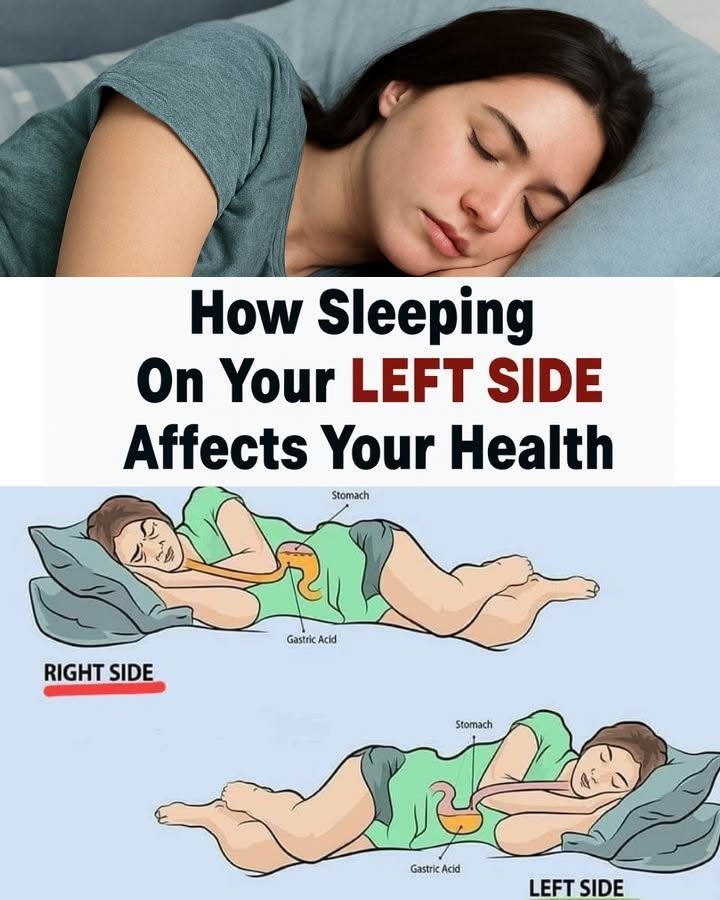
Social media posts often claim that sleeping on your left side protects your stomach, while sleeping on your right side causes acid reflux. Although the images can be dramatic, there is some scientific evidence behind this idea—but it doesn’t apply to everyone.
Why Does Sleeping Position Matter?
Your stomach and esophagus are connected in a way that allows stomach contents to move upward if acid reflux occurs.
- When you sleep on your left side, the stomach sits below the esophagus, making it harder for stomach acid to flow back upward.
- When you sleep on your right side, the stomach’s position may allow acid to remain closer to the esophagus, increasing the chance of reflux in some people.
This difference in anatomy explains why body position can affect nighttime heartburn.
What Does Research Say?
Several studies suggest that sleeping on the left side may reduce nighttime acid reflux symptoms in people with gastroesophageal reflux disease (GERD).
For individuals who experience frequent heartburn, left-side sleeping may:
- Reduce acid exposure in the esophagus
- Decrease nighttime heartburn
- Improve sleep quality by reducing reflux episodes
On the other hand, right-side sleeping may worsen reflux symptoms for some people, although the effect varies from person to person.
Does Everyone Need to Sleep on Their Left Side?
No.
If you do not have acid reflux or GERD, there is no evidence that sleeping on your right side is harmful. Most healthy people naturally change positions several times throughout the night, and either side is generally safe.
Sleep position is only one factor that affects reflux.
Other Ways to Reduce Nighttime Heartburn
If you experience acid reflux, these lifestyle habits may help even more than changing your sleep position:
- Avoid eating 2–3 hours before bedtime.
- Raise the head of your bed by 6–8 inches or use a wedge pillow if recommended.
- Maintain a healthy weight if overweight.
- Limit foods and drinks that trigger reflux, such as:
- Spicy foods
- Fatty or fried meals
- Chocolate
- Caffeine
- Alcohol
- Late-night snacks
- Avoid smoking, as it can worsen reflux symptoms.
When Should You See a Doctor?
Occasional heartburn is common, but frequent symptoms should not be ignored.
Seek medical advice if you experience:
- Heartburn several times a week
- Difficulty or pain when swallowing
- Chest pain
- Waking up choking or coughing because of stomach acid
- Persistent nausea or vomiting
- Unexplained weight loss
These symptoms may require medical evaluation and treatment.
The Bottom Line
For people with acid reflux or GERD, sleeping on the left side may help reduce nighttime heartburn by keeping stomach acid away from the esophagus. Sleeping on the right side is not dangerous for most healthy people, but it may worsen reflux symptoms in those who are already prone to acid reflux.
If heartburn is frequent or severe, don’t rely on sleep position alone. Lifestyle changes and, when needed, medical treatment can provide more effective relief.