
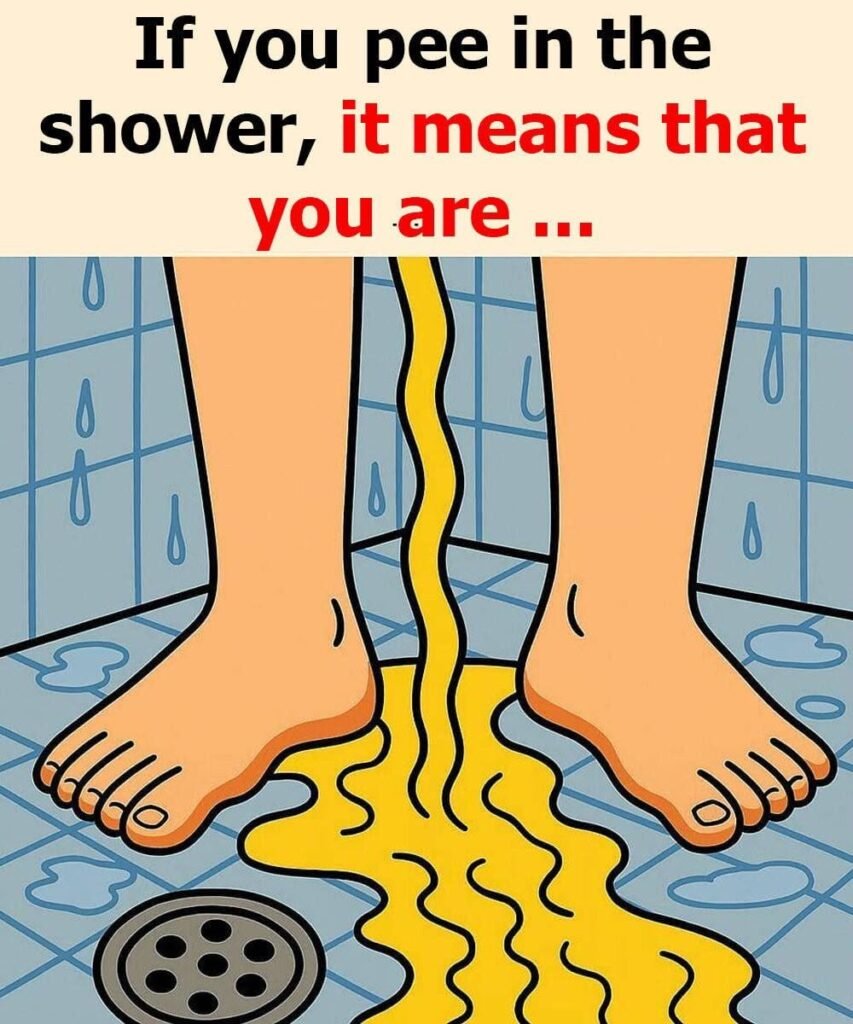
Is It Safe to Pee in the Shower? What Health Experts Say About This Common Habit
Peeing in the shower is a habit that many people admit to doing, yet it’s rarely discussed openly. Some believe it’s harmless and even environmentally friendly, while others worry it could pose hygiene or health risks. So, what does the science actually say?
The short answer is that for most healthy people, urinating in the shower is generally safe. However, there are a few important hygiene considerations and situations where this habit may not be ideal.
What Is Urine Made Of?
Fresh urine is made up of about 95% water. The remaining portion contains waste products such as:
- Urea
- Creatinine
- Electrolytes
- Uric acid
In healthy individuals, urine inside the bladder is typically low in bacteria. Once it leaves the body, however, it can come into contact with bacteria on the skin or surrounding environment.
Is Peeing in the Shower Harmful?
For most people, urinating while showering does not create a significant health risk because the running water immediately washes urine down the drain.
Modern plumbing systems are designed to handle human waste safely, and soap, warm water, and regular cleaning help keep shower surfaces hygienic.
However, good bathroom hygiene remains important. If multiple people use the same shower, routine cleaning helps prevent the buildup of bacteria, soap residue, and mold.
Potential Benefits
1. Saves Water
If you urinate during your shower instead of flushing the toilet separately, you may save several liters of water each time. Over the course of a year, this can reduce household water consumption.
2. Convenient
Many people simply find it easier to urinate while already showering rather than drying off and using the toilet first.
3. No Proven Harm for Healthy Adults
Current evidence does not suggest that urinating in the shower causes infections in healthy individuals when normal hygiene practices are followed.
Are There Any Downsides?
While generally safe, there are a few considerations.
Open Cuts or Skin Infections
If you have open wounds, skin infections, or recent surgical incisions, maintaining good hygiene is especially important. Although urine itself is not usually dangerous, keeping wounds clean reduces the risk of infection.
Urinary Tract Infections (UTIs)
If you have a urinary tract infection, your urine may contain higher levels of bacteria. Good shower cleaning practices become more important in these situations.
Habit Formation
Some healthcare professionals note that repeatedly associating the sound of running water with urination could create a conditioned response in some people, making them feel the urge to urinate whenever they hear running water. While this isn’t a concern for most adults, people with bladder control issues may wish to avoid reinforcing this association.
Hygiene Tips
If you choose to pee in the shower:
- Clean your shower regularly.
- Rinse the floor thoroughly with running water.
- Wash your body with soap as usual.
- Avoid sharing dirty shower spaces.
- Maintain normal bathroom hygiene.
Common Myths
Myth: Urine is completely sterile.
Fact: Fresh urine from healthy individuals is usually low in bacteria, but it is not considered completely sterile.
Myth: Peeing in the shower always causes fungal infections.
Fact: There is no strong scientific evidence showing that this habit directly causes athlete’s foot or fungal infections. Fungi thrive mainly in warm, damp environments rather than because of urine itself.
Myth: It damages plumbing.
Fact: Normal household plumbing is designed to safely carry urine and wastewater.
When Should You See a Healthcare Provider?
Regardless of where you urinate, seek medical advice if you notice:
- Blood in the urine
- Pain or burning during urination
- Frequent urge to urinate
- Fever with urinary symptoms
- Strong-smelling or cloudy urine that persists
- Difficulty emptying your bladder
These symptoms may indicate a urinary tract infection or another medical condition that requires evaluation.
Final Thoughts
For most healthy adults, peeing in the shower is largely a personal preference rather than a medical concern. It is generally considered safe, may help conserve water, and does not appear to pose significant health risks when proper hygiene is maintained.
The most important factor is keeping your bathroom clean and paying attention to any urinary symptoms that could signal an underlying health issue. If you have ongoing concerns about bladder health or urinary symptoms, consult a qualified healthcare professional for personalized advice.
Disclaimer: This article is for informational purposes only and should not be considered medical advice. Always consult a healthcare professional regarding persistent urinary symptoms or health concerns.