If Your Doctor Recommends a Colonoscopy: What You Need to Know Before You Say Yes
In many countries, preventive healthcare systems strongly encourage routine screenings to detect serious illnesses early. For example, in Germany, public healthcare covers preventive colonoscopies for men starting at age 50 and for women at age 55. In the United States, current clinical guidelines recommend beginning screening at age 45 for individuals with average risk.
A colonoscopy is considered one of the most effective tools for early detection of colorectal cancer—a condition that affects thousands of people every year. But before undergoing the procedure, it’s important to understand both its benefits and its risks.
What Is a Colonoscopy and Why Is It Important?
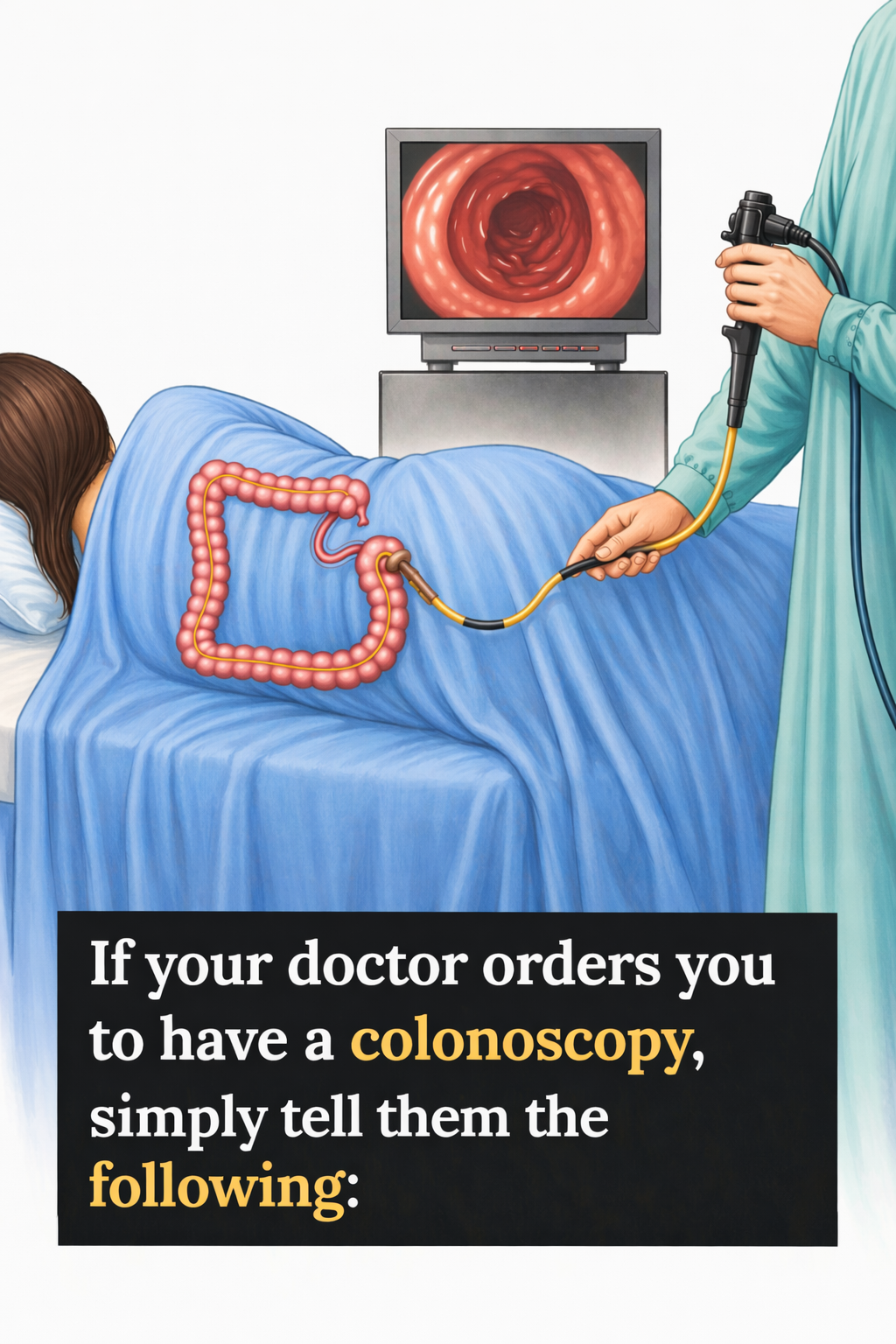
A colonoscopy is a medical diagnostic procedure in which a specialist uses a long, flexible tube equipped with a small camera and light to examine the inner lining of the large intestine (colon).
This test helps detect:
- Hidden ulcers
- Polyps (which may develop into cancer)
- Tumors
- Internal bleeding
- Severe inflammation
By identifying these issues early, doctors can prevent more serious complications and improve treatment outcomes.
How to Prepare for a Colonoscopy
Preparation is a critical part of the procedure’s success. Without proper preparation, the doctor may not be able to clearly see the colon.
Typically, patients must:
- Follow a strict clear liquid diet the day before
- Drink a prescribed laxative solution to fully cleanse the colon
While the preparation process can be uncomfortable, it is essential for accurate results.
What Happens During the Procedure?
During the colonoscopy:
- Patients are usually given sedation or light anesthesia
- The doctor carefully examines the digestive tract using the camera
- If necessary, small tissue samples (biopsies) or polyps may be removed
The procedure itself is generally painless due to sedation.
Risks and Considerations
Although colonoscopy is a powerful preventive tool, it is not completely risk-free. Some potential risks include:
- Bleeding, especially if tissue is removed
- Perforation of the colon (a rare but serious complication requiring emergency surgery)
Additionally, this procedure is not suitable for everyone.
People who should avoid colonoscopy include:
- Patients with severe inflammatory conditions (e.g., toxic megacolon)
- Individuals with a perforated intestine
- Those with serious heart conditions
- Women in advanced stages of pregnancy
Is a Colonoscopy Always Necessary?
While colonoscopy can detect life-threatening conditions early, it’s important to evaluate whether it is truly necessary in your specific case. Not every patient requires immediate screening, especially if there are no symptoms or risk factors.
Discuss with your healthcare provider:
- Your personal risk level
- Family history
- Alternative screening options
Final Thoughts
A colonoscopy can be life-saving, but it is still a medical procedure that requires careful consideration. Understanding the preparation, benefits, and potential risks will help you make an informed decision about your health.
If your doctor recommends a colonoscopy, don’t hesitate to ask questions and fully understand why it’s being suggested. Being informed is the first step toward taking control of your well-being.