
Unlock Content

Watch a short ad to continue

Ads served by AdStreamHQ

Ads served by AdStreamHQ

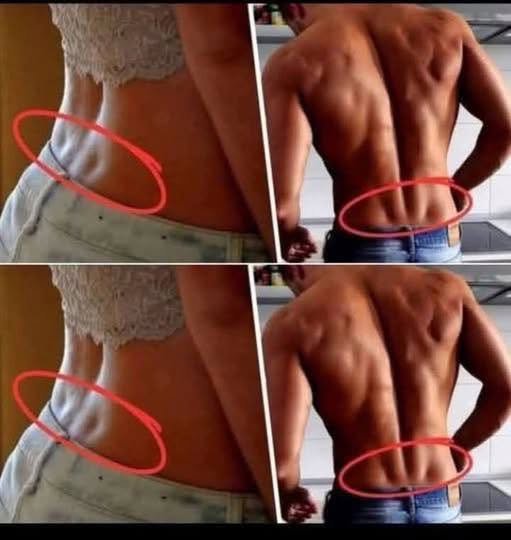
If You Have These Two Dimples on Your Lower Back, Here’s What They Mean

You’ve probably caught a glimpse of those two small indentations right above your buttocks while getting dressed or checking yourself out in a mirror. For many people, they spark instant questions — are they normal, do they mean something about your body, or are they just a random quirk? It’s easy to feel a little self-conscious when you notice a feature like this that not everyone has, especially if social media makes it seem like a “perfect” body must include them. The truth is, these dimples are far more common and harmless than most realize, and understanding their real story can actually make you appreciate your body even more. But the most surprising part about what they reveal? You’ll want to keep reading until the end.

What Exactly Are These Dimples on Your Lower Back?

These symmetrical little dents are officially known as dimples of Venus (or back dimples). They sit just above the gluteal cleft, right where your lower back meets your hips. The name comes from Venus, the Roman goddess of love and beauty, because cultures throughout history have found them attractive and even symbolic of sensuality.

Ads served by AdStreamHQ

Unlike facial dimples that form from muscle differences, these are created by a short ligament that tethers your skin directly to the posterior superior iliac spine — a bony part of your pelvis. It’s a completely natural anatomical feature, present from birth, and it’s simply how some bodies are wired.

The Real Science Behind Why They Appear

Genetics play the biggest role here. If your parents or grandparents have visible back dimples, there’s a good chance you might too. The dimples become more noticeable when body fat in that area is lower, which is why they often stand out on people who are naturally lean or maintain a fit physique.

A 2023 study published in medical literature even noted that people with dimples of Venus tend to have a slightly higher pelvic incidence angle, which relates to the natural curve of the spine and pelvis. But here’s the key takeaway doctors emphasize: this is just normal variation, not a red flag or a guarantee of anything specific.

Ads served by AdStreamHQ

But that’s not the whole story. Many beauty and fitness circles talk about these dimples as a “sign” of something deeper. Let’s clear up the myths with facts.

Do Back Dimples Mean You’re Healthier or More Fertile?

This is one of the most common questions — and the short answer is no, not in any proven medical way.

Here’s what the evidence actually shows:

  • No link to fertility or “better circulation”: While old folklore tied them to luck, beauty, and even intimacy, modern experts (including orthopedic specialists and dermatologists) confirm there’s zero scientific proof for these claims. They don’t affect blood flow, hormones, or reproductive health.
  • Not a direct marker of fitness: Low body fat can make them pop more, but you can be extremely healthy and strong without them — or have them while carrying extra weight. They’re not a fitness badge.
  • Completely harmless in adults: Unlike a single sacral dimple (which doctors sometimes check in newborns for rare spinal issues), paired Venus dimples are purely cosmetic and pose no medical concern.

In other words, if you have them, celebrate the unique way your body is built. If you don’t, it changes nothing about your health or attractiveness.

Why So Many People Find Venus Dimples Beautiful

There’s a reason these dimples keep trending on social media and in fitness photos. They create a subtle shadow that accentuates the natural curve of the lower back and hips — a classic hourglass shape that many cultures have admired for centuries. Think of it as nature’s little highlighter for the lumbar region.

Men can have them too (sometimes called “Apollo holes” after the god of strength), though they’re more commonly discussed in women because of pelvic structure differences. Either way, they’re just one more example of the beautiful diversity in human bodies.

Actionable Tips to Embrace or Enhance Your Natural Back Dimples

If you already have the genetic foundation for dimples of Venus, here are simple, healthy steps that can make them more visible without any risky procedures:

  • Focus on overall body composition: Aim for a sustainable body-fat percentage through balanced nutrition and strength training. Lower fat around the lower back and hips naturally reveals what’s already there.
  • Strengthen your core and glutes: Exercises that target the lower back, obliques, and glute muscles improve posture and muscle tone, which can make the area look more sculpted.
  • Stay consistent with movement: Good circulation and flexibility from regular activity (walking, yoga, or Pilates) support a healthy spine and pelvis — plus you’ll feel more confident showing off your back.

Here’s a quick starter routine many people love:

  1. Dead Bug – 3 sets of 10 reps per side (great for deep core stability)
  2. Glute Bridge – 3 sets of 12 reps (lifts and tones the area)
  3. Bird-Dog – 3 sets of 8 reps per side (improves lower-back strength and balance)
  4. Cat-Cow Pose – Hold for 30 seconds, repeat 5 times (gentle mobility)

Pair this with a calorie-controlled but nutrient-rich diet, and you’ll notice changes in how your lower back looks within weeks — all while supporting real health, not just appearance.

Pro tip: If you’re considering cosmetic procedures to create dimples (sometimes called “back dimple surgery”), talk to a board-certified plastic surgeon first. Results vary, and natural is almost always the safest, most authentic route.

When Should You Pay Attention to Dimples on Your Lower Back?

In the vast majority of cases, nothing. But if you notice a single deep dimple (not two symmetrical ones), redness, swelling, or any unusual pain in the area, it’s smart to mention it to your doctor — just to rule out anything unrelated. For most adults, though, these are simply a charming, harmless trait.

The Bottom Line: Your Dimples Are a Beautiful Reminder of Your Uniqueness

Whether you have prominent Venus dimples or none at all, they don’t define your health, fertility, or worth. They’re just one small detail in the incredible design of the human body. The real “meaning” behind them is simple: your body is working exactly as it should, and that’s something worth appreciating every single day.

Embrace what you’ve got, move in ways that feel good, and remember — true beauty and confidence come from feeling strong and comfortable in your own skin.

Frequently Asked Questions About Lower Back Dimples

Are dimples of Venus rare?
Not really. While not everyone has them, they’re a fairly common genetic trait — especially in women — and studies suggest they appear in a noticeable percentage of the population when body fat is low enough to reveal them.

Can men have dimples on their lower back too?
Yes! Men have them as well, though they’re often less talked about. The same ligament-and-genetics cause applies, and many guys notice them when they drop body fat or build a strong core.

Can you create back dimples if you don’t have them genetically?
Exercise and fat loss can’t manufacture the underlying ligament attachment. If the bone structure isn’t there, the dimples won’t appear naturally. Focus on overall strength and confidence instead — that’s what truly lasts.

Disclaimer: This article is for informational and educational purposes only and is not a substitute for professional medical advice, diagnosis, or treatment. Always consult your healthcare provider with any questions about your health or specific medical conditions.

Leave a Comment