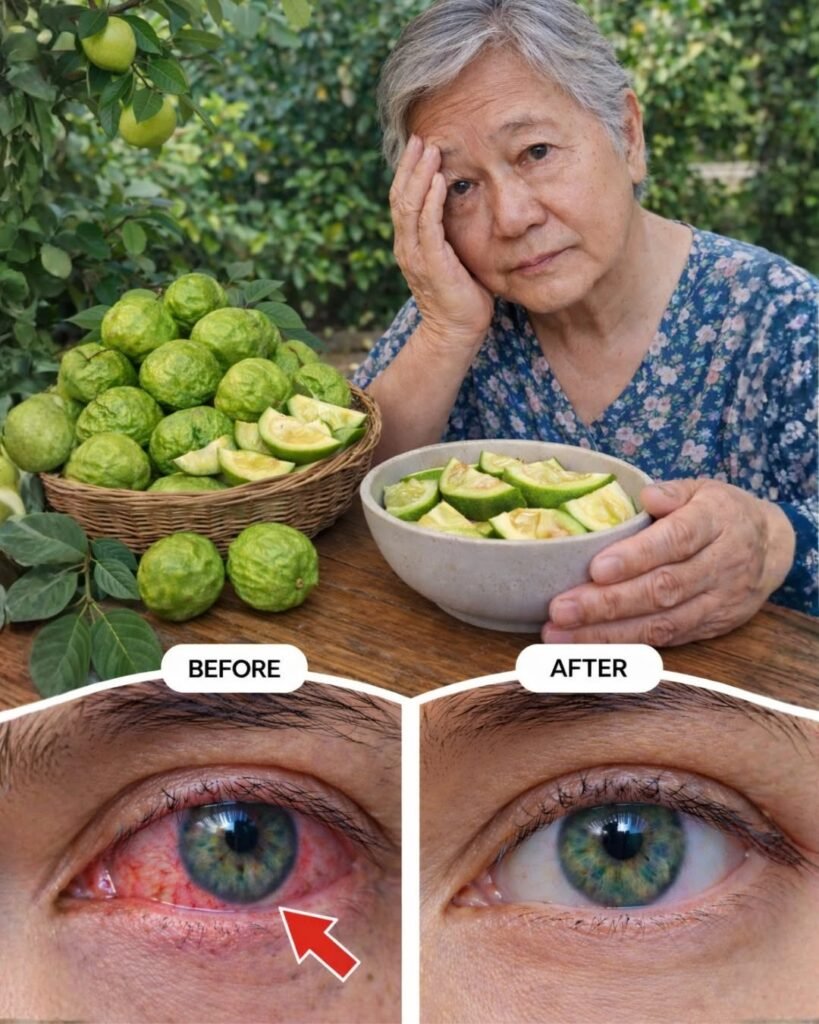
How to Use Guava to Support Eye Health: Natural Remedies That May Surprise You
In today’s digital world, many people experience eye strain, dryness, and tired eyes from spending long hours looking at screens. While a healthy diet can support eye health, no single food can prevent or cure eye diseases. Guava is a nutritious fruit that provides several vitamins and antioxidants that contribute to overall health, including healthy eyes.
Both guava fruit and its leaves have long been used in traditional medicine. Here’s what current evidence suggests—and where caution is needed.
Disclaimer: This article is for educational purposes only and is not a substitute for professional medical advice. If you have eye pain, sudden vision changes, or persistent redness, consult an eye care professional promptly.
Why Guava Is Good for Your Eyes
1. Rich in Vitamin A
Guava contains vitamin A, an essential nutrient that helps maintain the retina and supports normal vision, particularly in dim light.
Adequate vitamin A intake helps maintain healthy vision, but eating guava alone will not prevent or treat eye diseases such as cataracts or macular degeneration.
2. High in Vitamin C and Antioxidants
Guava is exceptionally rich in vitamin C and also contains carotenoids and other antioxidants.
These nutrients help protect cells from oxidative stress, which plays a role in normal aging and many chronic diseases, including some eye conditions.
3. Anti-Inflammatory Plant Compounds
Guava leaves contain natural compounds such as:
- Quercetin
- Polyphenols
- Flavonoids
- Tannins
Laboratory studies suggest these compounds have antioxidant and anti-inflammatory properties. However, more research is needed to determine how they affect human eye health.
4. Natural Antimicrobial Properties
Research has shown that guava leaf extracts can inhibit the growth of certain bacteria in laboratory settings.
However, guava leaf tea or extracts should never be placed directly into the eyes, as they are not sterile and could cause irritation or infection.
Safe Ways to Enjoy Guava
1. Eat Fresh Guava
The safest and most effective way to benefit from guava is by eating the fruit regularly.
Benefits:
- Provides vitamins A and C
- Supplies dietary fiber
- Delivers antioxidants
- Supports overall health
How to enjoy it:
- Eat 1–2 fresh guavas as a snack.
- Add sliced guava to fruit salads.
- Blend it into smoothies.
If thoroughly washed, the skin can also be eaten because it contains additional fiber and antioxidants.
2. Drink Guava Leaf Tea
Guava leaf tea is widely consumed in many cultures.
Ingredients
- 4–5 fresh guava leaves
- 2 cups of water
- Optional: honey or lemon
Instructions
- Wash the leaves well.
- Boil them for about 10–12 minutes.
- Strain the tea.
- Add honey or lemon if desired.
While this tea provides antioxidants, there is no strong scientific evidence that drinking it directly improves vision or treats eye diseases.
3. Warm Compress for Tired Eyes
Some people use a warm compress prepared from boiled guava leaves for relaxation.
If you choose to try this:
- Use only a clean cloth.
- Ensure the liquid is fully cooled to a comfortable temperature.
- Keep your eyes closed.
Do not place homemade herbal liquids directly into your eyes.
A plain warm water compress is generally the safer option for relieving mild eye fatigue.
4. Fresh Guava Juice
Fresh guava juice is another nutritious way to consume the fruit.
Simple Recipe
Blend:
- 2 ripe guavas
- 1 cup of water
Optional:
- A squeeze of lime
- A small amount of honey
Drink it soon after preparation to retain the nutrients.
Healthy Habits That Protect Your Eyes
Nutrition is only one part of maintaining healthy vision.
For long-term eye health:
- Eat plenty of fruits and vegetables.
- Include leafy greens and colorful produce.
- Stay physically active.
- Wear sunglasses that block UV rays.
- Take regular breaks from screens (such as the 20-20-20 rule).
- Stay hydrated.
- Get routine eye examinations.
Important Safety Reminder
Natural remedies can complement a healthy lifestyle, but they cannot replace medical treatment for eye diseases.
Seek medical care immediately if you experience:
- Sudden vision loss
- Severe eye pain
- Significant redness
- Eye injury
- Flashes of light or a sudden increase in floaters
Final Thoughts
Guava is a delicious, nutrient-rich fruit that can be part of a healthy diet. Its vitamins and antioxidants support overall wellness, including eye health. While traditional uses of guava leaves are interesting, stronger scientific evidence is still needed to confirm many of the claimed eye benefits.
The best approach to protecting your vision combines a balanced diet, healthy lifestyle habits, regular eye exams, and prompt medical attention when problems arise.