
How to Support Strong Teeth and Enamel Naturally
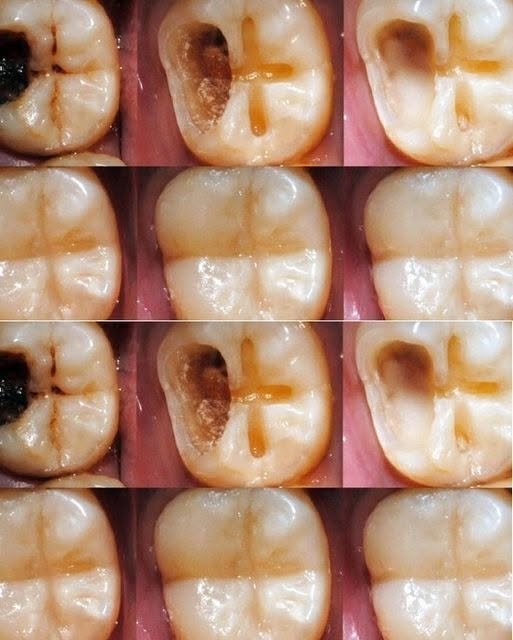
Before-and-after photos of healthy teeth can be motivating. While daily habits play an important role in maintaining oral health, it’s important to know that once a cavity has formed a hole in a tooth, it cannot heal on its own. Professional dental treatment is needed to repair the damage.
The good news is that healthy habits can help protect tooth enamel, reduce the risk of new cavities, and support healthy gums between dental visits.
1. What Causes Cavities?
Cavities develop when bacteria in dental plaque feed on sugars and starches from food and drinks. These bacteria produce acids that gradually remove minerals from the tooth’s enamel.
In the earliest stages, this mineral loss (called demineralization) may be reversible with good oral hygiene and fluoride. However, once a cavity creates a visible hole or damaged area in the tooth, that portion cannot regrow naturally and requires dental treatment.
2. Nutrients That Support Tooth Health
A balanced diet provides nutrients that help maintain healthy teeth and bones.
- Calcium and Phosphorus: Found in dairy products, leafy green vegetables, nuts, seeds, and other foods. These minerals help maintain strong teeth and bones.
- Vitamin D: Supports calcium absorption. It can be obtained through sunlight exposure, fortified foods, eggs, and fatty fish.
- Vitamin K: Found in leafy green vegetables and some fermented foods. It contributes to normal bone health.
- Crunchy Fruits and Vegetables: Foods such as apples, carrots, and celery stimulate saliva production, which helps wash away food particles and neutralize acids.
3. Daily Habits That Support Oral Health
Healthy daily routines can help reduce the risk of tooth decay.
- Brush twice a day: Use fluoride toothpaste and brush for at least two minutes each time. Fluoride helps strengthen enamel and supports the remineralization of early enamel damage.
- Floss daily: Floss removes plaque and food debris from between teeth where toothbrushes cannot reach.
- Limit sugary foods and acidic drinks: Frequent exposure to sugary snacks, soft drinks, sports drinks, and fruit juices increases the risk of cavities.
- Drink water regularly: Water helps rinse away food particles and supports saliva production, which naturally protects teeth.
- Sugar-free gum: Chewing sugar-free gum, particularly those containing xylitol, may increase saliva flow after meals.
- Oil pulling: Some people practice oil pulling with coconut or sesame oil. While limited evidence suggests it may reduce some oral bacteria, it has not been shown to treat cavities or replace brushing, flossing, or professional dental care.
4. Traditional and At-Home Oral Care
Many traditional home practices are used to support oral hygiene, including:
- Warm saltwater rinses
- Clove oil for temporary comfort
- Sugar-free gum to stimulate saliva
These approaches may provide temporary comfort or support oral cleanliness, but they cannot repair cavities, replace lost enamel, or substitute for professional dental treatment.
5. When to See a Dentist
Schedule a dental appointment promptly if you notice any of the following:
- A visible hole, pit, or dark spot in a tooth
- Tooth pain or sensitivity to hot, cold, sweet, or pressure
- Pain when chewing or biting
- Swelling of the gums or face
- Persistent bad taste or drainage from around a tooth
- A cavity that appears to be getting larger
Dentists can treat cavities with procedures such as fluoride treatments for very early enamel damage, fillings, crowns, or other treatments depending on the extent of decay. Early treatment is usually simpler and helps preserve more of the natural tooth.
6. A Simple Daily Oral Care Routine
For healthy teeth and gums:
- Brush with fluoride toothpaste every morning and evening for at least two minutes.
- Floss once each day.
- Rinse your mouth with water after meals when brushing isn’t possible.
- Choose tooth-friendly snacks such as cheese, yogurt, nuts, and crunchy vegetables more often than sugary treats.
- Visit your dentist regularly for examinations and professional cleanings, typically every six months or as recommended.
Final Thoughts
Healthy eating habits, fluoride toothpaste, regular brushing and flossing, and routine dental visits all work together to support strong teeth and healthy gums.
If you already have a cavity with a visible hole, home care alone cannot repair it. Seeking treatment early is often quicker, less invasive, and less expensive than waiting for the decay to worsen.
Think of daily oral care as protecting and maintaining your teeth, while professional dental treatment restores damage that has already occurred.
Disclaimer: This article is for informational and educational purposes only and should not be considered dental advice. If you think you have a cavity or another dental problem, consult a licensed dentist for diagnosis and appropriate treatment.