
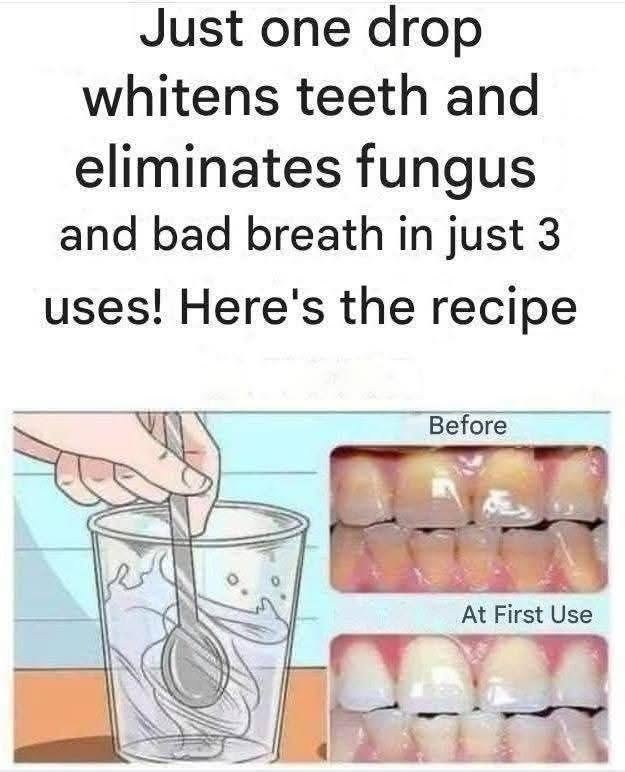
How to Prevent Tartar Buildup and Keep Your Teeth Looking Whiter Naturally
A bright, healthy smile starts with good oral hygiene. One of the most common dental problems people face is tartar buildup, which can lead to stained teeth, bad breath, gum disease, and other oral health issues. While many home remedies claim to remove tartar and whiten teeth instantly, it’s important to know what really works and how to protect your teeth safely.
This guide explains what tartar is, why it forms, effective prevention tips, and which natural ingredients may support oral hygiene without replacing professional dental care.
What Is Tartar?
Tartar, also called dental calculus, is hardened plaque that forms when soft bacterial plaque remains on the teeth for too long. Once plaque hardens, it cannot be removed with a regular toothbrush and usually requires professional cleaning by a dentist or dental hygienist.
Tartar creates a rough surface where more bacteria can collect, increasing the risk of cavities and gum disease.
Types of Tartar
1. Supragingival Tartar
This type develops above the gum line and is often yellow or light brown. It is the most common form of tartar and is usually visible on the front and back surfaces of the teeth.
2. Subgingival Tartar
Subgingival tartar forms below the gum line and is associated with periodontal (gum) disease. It is more difficult to detect and should be treated by a dental professional.
Why Does Tartar Build Up?
Several factors can increase the risk of tartar formation, including:
- Inadequate brushing and flossing
- Poor oral hygiene habits
- Frequent consumption of sugary or starchy foods
- Smoking or tobacco use
- Dry mouth or reduced saliva production
- Crooked or crowded teeth that are difficult to clean
- Aging
- Certain medical conditions or medications
Because plaque begins forming shortly after eating, maintaining consistent oral hygiene is essential.
Can Home Remedies Remove Tartar?
Many websites suggest using baking soda, lemon juice, or hydrogen peroxide to remove tartar. However, once tartar has hardened, home remedies cannot safely remove it. Professional dental cleaning is the recommended treatment.
Some ingredients may help reduce surface stains or freshen the mouth, but they should be used carefully because excessive use can damage tooth enamel or irritate the gums.
Safe Ways to Maintain Healthy Teeth
Brush Properly Twice a Day
Brush your teeth for at least two minutes using a fluoride toothpaste and a soft- or medium-bristled toothbrush. Clean all tooth surfaces, including the gum line and the back teeth.
Floss Every Day
Dental floss removes plaque and food particles from between the teeth, where toothbrush bristles cannot reach. Daily flossing helps reduce plaque buildup and supports healthy gums.
Use an Antibacterial Mouthwash
An alcohol-free antibacterial mouthwash can help reduce bacteria and freshen your breath. While mouthwash does not replace brushing or flossing, it can be a useful addition to your oral hygiene routine.
Consider a Water Flosser
Water flossers (oral irrigators) can help clean around braces, dental implants, and below the gum line. They may be especially useful for people who find traditional flossing difficult.
Natural Ingredients That May Support Oral Hygiene
Baking Soda
Baking soda is commonly found in whitening toothpastes because it has mild polishing properties. It may help remove some surface stains, but using concentrated baking soda mixtures too often can wear away enamel over time. Always use it sparingly and avoid scrubbing aggressively.
Lemon Juice
Lemon contains citric acid, which can temporarily brighten teeth by helping remove some surface discoloration. However, frequent exposure to acidic liquids can erode enamel, making teeth more sensitive and increasing the risk of cavities. It is not recommended as a regular whitening treatment.
Hydrogen Peroxide
Hydrogen peroxide is an ingredient used in many professionally formulated whitening products at controlled concentrations. Using undiluted or inappropriate concentrations at home can irritate the gums and damage oral tissues. Always follow professional guidance and product instructions.
Professional Tartar Removal
The most effective way to remove tartar is through a professional dental cleaning. Dentists and dental hygienists use specialized instruments to safely remove hardened deposits above and below the gum line.
Regular dental checkups also allow early detection of:
- Tooth decay
- Gum disease
- Cavities
- Oral infections
- Other dental problems
Most people benefit from professional cleanings every six months, although some individuals may require more frequent visits.
Tips to Help Prevent Tartar
- Brush twice daily with fluoride toothpaste.
- Floss every day.
- Limit sugary snacks and sweetened drinks.
- Drink plenty of water throughout the day.
- Eat a balanced diet rich in fruits and vegetables.
- Avoid smoking and tobacco products.
- Replace your toothbrush every three to four months.
- Visit your dentist regularly for cleanings and examinations.
Frequently Asked Questions
Can tartar be removed at home?
No. Once plaque hardens into tartar, it generally cannot be safely removed with home remedies or brushing alone. Professional dental cleaning is the safest and most effective option.
Does baking soda whiten teeth?
Baking soda may help remove some surface stains, but it does not change the natural color of your teeth. Overuse can damage enamel.
Is lemon juice safe for whitening teeth?
Frequent use of lemon juice is not recommended because its acidity can weaken tooth enamel and increase tooth sensitivity.
How can I naturally keep my teeth looking white?
Maintaining good oral hygiene, limiting foods and drinks that stain teeth, avoiding tobacco, and getting regular professional cleanings are the safest ways to help keep your teeth looking bright.
Final Thoughts
Healthy teeth depend on consistent daily care rather than quick fixes. While some natural ingredients may help support oral hygiene or reduce minor surface stains, they cannot safely remove hardened tartar. Brushing, flossing, using fluoride toothpaste, eating a balanced diet, and scheduling regular dental checkups remain the most effective ways to maintain a clean, healthy smile. If you notice heavy tartar buildup, bleeding gums, or persistent bad breath, consult a dental professional for proper evaluation and treatment.