How to Naturally Repair a Tooth Cavity: 7 Ways to Protect and Strengthen Your Teeth
How to Naturally Repair a Tooth Cavity: 7 Ways to Protect and Strengthen Your Teeth
Tooth cavities are among the most common dental problems worldwide. They develop when bacteria in the mouth produce acids that gradually damage tooth enamel, eventually creating holes in the teeth.
Many people search for natural ways to repair cavities, avoid dental fillings and maintain healthy teeth without expensive treatments.
You may have seen online remedies involving baking soda, coconut oil, salt or homemade tooth powders. But can these ingredients actually repair a damaged tooth?
The truth is that some early stages of tooth decay can be reversed through a process called remineralisation. However, once a genuine hole has formed in a tooth, natural remedies cannot rebuild the missing tooth structure.
Here are seven evidence-based ways to protect your teeth, support enamel health and reduce the risk of further cavities.
1. Use Fluoride Toothpaste to Strengthen Tooth Enamel
Fluoride is one of the most effective and scientifically supported ingredients for preventing tooth decay.
It helps strengthen tooth enamel, reduce mineral loss and encourage the repair of early damage.
Regular brushing with fluoride toothpaste can help reverse early enamel demineralisation before a permanent cavity develops.
What to do:
- Brush your teeth twice daily with fluoride toothpaste.
- Brush for approximately two minutes each time.
- Spit out the toothpaste after brushing rather than rinsing immediately with water.
- Ask your dentist whether prescription-strength fluoride products are appropriate if you have a high risk of tooth decay.
2. Reduce Sugar to Prevent Further Tooth Decay
One of the main causes of cavities is frequent exposure to sugary foods and drinks.
Bacteria naturally present in dental plaque use sugars to produce acids that attack tooth enamel.
Repeated acid attacks gradually remove minerals from the teeth, increasing the risk of cavities.
To protect your teeth:
- Reduce sweets, chocolates and sugary snacks.
- Avoid regularly drinking fizzy drinks.
- Limit sweetened tea, coffee and fruit juices.
- Choose water instead of sugary beverages.
- Avoid frequent snacking throughout the day.
Reducing how often your teeth are exposed to sugar can help protect enamel and prevent further decay.
3. Eat Calcium-Rich Foods for Strong Teeth
Calcium is an essential mineral that helps maintain healthy teeth and bones.
Although eating calcium-rich foods cannot rebuild a large cavity, adequate calcium intake supports normal dental health.
Good dietary sources include:
- Milk and yogurt.
- Cheese.
- Sardines with edible bones.
- Calcium-fortified foods.
- Leafy green vegetables.
- Some nuts and seeds.
A balanced diet containing sufficient calcium and other essential nutrients supports healthy tooth development and maintenance.
4. Include Vitamin D in Your Diet
Vitamin D helps the body absorb calcium and maintain healthy bones and teeth.
Low vitamin D levels can affect bone health, and adequate vitamin D is important for normal mineral metabolism.
Food sources include:
- Fatty fish.
- Egg yolks.
- Fortified milk.
- Fortified cereals.
- Certain fortified dairy alternatives.
Sunlight also helps the body produce vitamin D, although the amount produced varies depending on several factors.
Vitamin D is important for overall health, but taking supplements will not fill an existing dental cavity.
5. Maintain Healthy Saliva Production
Saliva plays an important role in protecting teeth against decay.
It helps wash away food particles, neutralise acids and supply minerals that support enamel remineralisation.
A dry mouth can increase the risk of cavities because there is less saliva available to protect the teeth.
You can support normal saliva production by:
- Drinking enough water.
- Avoiding excessive alcohol consumption.
- Limiting tobacco use.
- Chewing sugar-free gum when appropriate.
- Discussing persistent dry mouth with your dentist or doctor.
6. Consider Sugar-Free Gum After Meals
Chewing sugar-free gum can stimulate saliva production.
Increased saliva flow helps neutralise acids in the mouth and supports the natural remineralisation process.
Some sugar-free gums contain xylitol, a sweetener that oral bacteria do not use in the same way as ordinary sugar.
Chewing sugar-free gum after meals may be a useful addition to your oral hygiene routine.
However, it is not a substitute for brushing, flossing or professional dental treatment.
7. Brush and Floss Regularly to Remove Dental Plaque
Dental plaque is a sticky bacterial film that accumulates on teeth.
If it is not removed regularly, the bacteria in plaque can produce acids that gradually damage tooth enamel.
An effective daily oral hygiene routine includes:
Morning: Brush your teeth with fluoride toothpaste for two minutes.
After meals: Rinse with water if food particles remain in your mouth.
Before bedtime: Brush thoroughly with fluoride toothpaste.
Daily: Clean between your teeth using dental floss or interdental brushes.
Consistent oral hygiene helps reduce plaque accumulation and lower the risk of developing new cavities.
Can Baking Soda Naturally Repair Tooth Cavities?
Baking soda is sometimes recommended as a homemade remedy for cleaning teeth.
It can help remove surface stains and is included in some commercially formulated toothpastes.
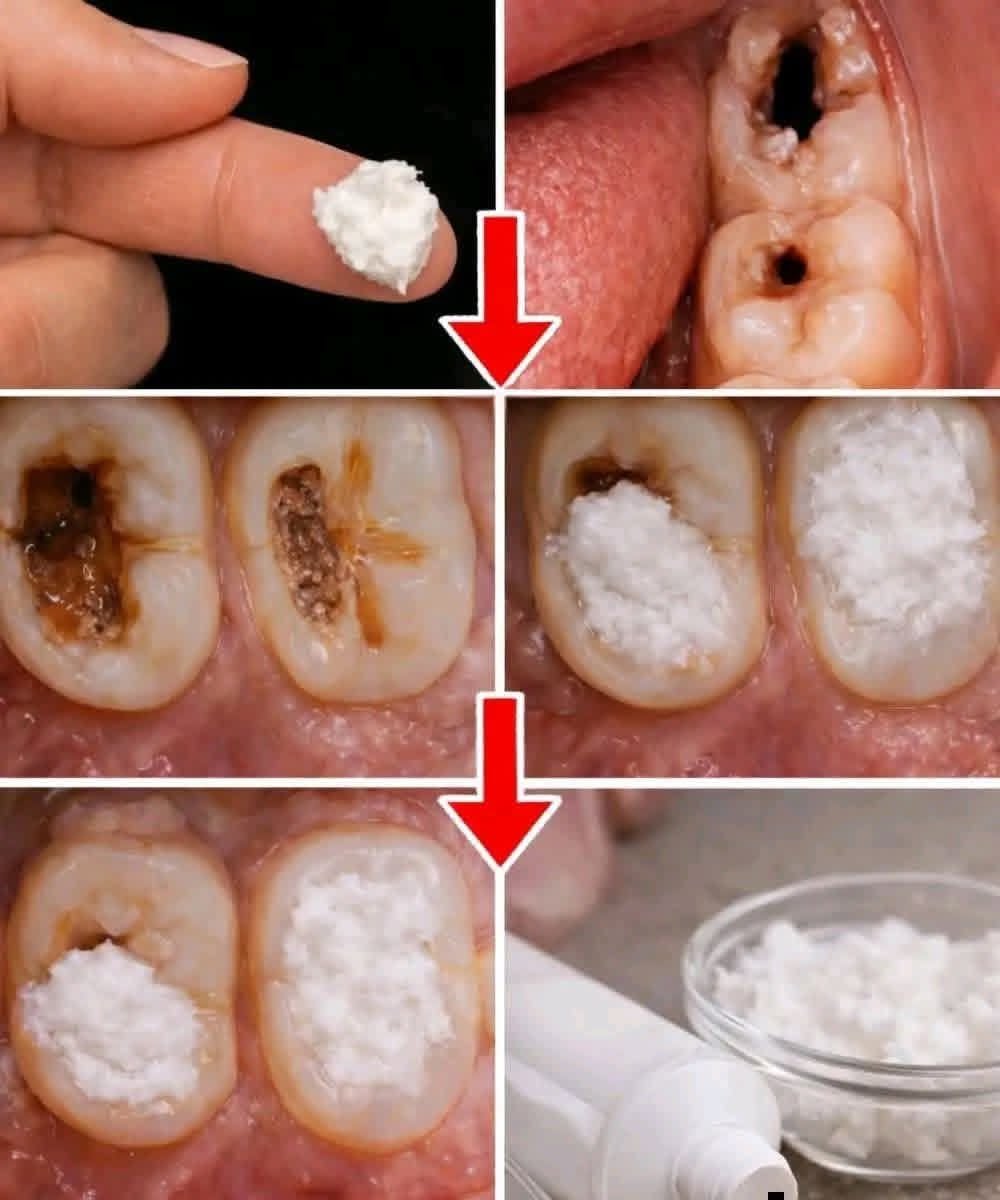
However, applying homemade baking soda mixtures directly to a cavity does not rebuild missing enamel or fill a hole in a tooth.
If you prefer baking soda toothpaste, choose a properly formulated dental product rather than relying on homemade powders.
Can Coconut Oil and Salt Heal Cavities?
Coconut oil pulling and saltwater rinses are popular traditional oral-care practices.
Saltwater rinses may provide temporary comfort for some minor mouth irritation, while oil pulling has been investigated for possible effects on oral bacteria.
However, neither practice has been proven to repair an established cavity.
They should never replace fluoride toothpaste or necessary dental treatment.
How Do You Know If You Have a Tooth Cavity?
Tooth decay does not always cause symptoms in its early stages.
As the condition progresses, you may notice:
- White spots on the tooth surface.
- Brown or black discolouration.
- Sensitivity to hot or cold foods.
- Pain when eating sweets.
- Food getting trapped in a particular tooth.
- A visible hole or rough area.
- Persistent toothache.
A dentist can examine your teeth and may recommend dental X-rays to determine how far the decay has progressed.
Can an Existing Tooth Cavity Heal Naturally?
This is one of the most important questions to understand.
Early tooth decay: When minerals have been lost from enamel but no actual hole has formed, the damage may be reversed through remineralisation. Fluoride, saliva and changes in oral hygiene can help.
Established cavities: Once tooth structure has broken down and a hole has formed, the missing structure cannot naturally grow back. A dentist may need to repair the tooth with a filling or another appropriate treatment.
Depending on the severity, treatment may also involve a crown, root canal treatment or extraction.
The earlier tooth decay is identified, the more treatment options may be available.
When Should You Visit a Dentist?
Do not delay professional dental care if you experience:
- Persistent toothache.
- Increasing sensitivity.
- A visible hole in a tooth.
- Pain when chewing.
- Swelling around the gums.
- Pus or an unpleasant taste around a tooth.
Facial swelling accompanied by fever, or difficulty swallowing or breathing, requires urgent medical or dental attention.
Final Thoughts: Protect Your Teeth Before Cavities Become Serious
Natural habits can play an important role in maintaining healthy teeth and preventing further tooth decay.
Fluoride toothpaste, reduced sugar consumption, calcium-rich foods, adequate hydration and regular brushing can all support good oral health.
However, it is important to understand the difference between strengthening early enamel damage and repairing an established cavity.
No homemade powder, salt mixture, coconut oil or baking soda recipe can reliably fill a hole in a tooth.
If you notice signs of tooth decay, arrange a dental examination rather than waiting for the problem to become painful.
Taking care of your teeth early can help preserve your natural smile and prevent more complicated dental problems later.
Medical disclaimer: This article is for general educational purposes only and is not a substitute for professional dental advice, diagnosis or treatment.