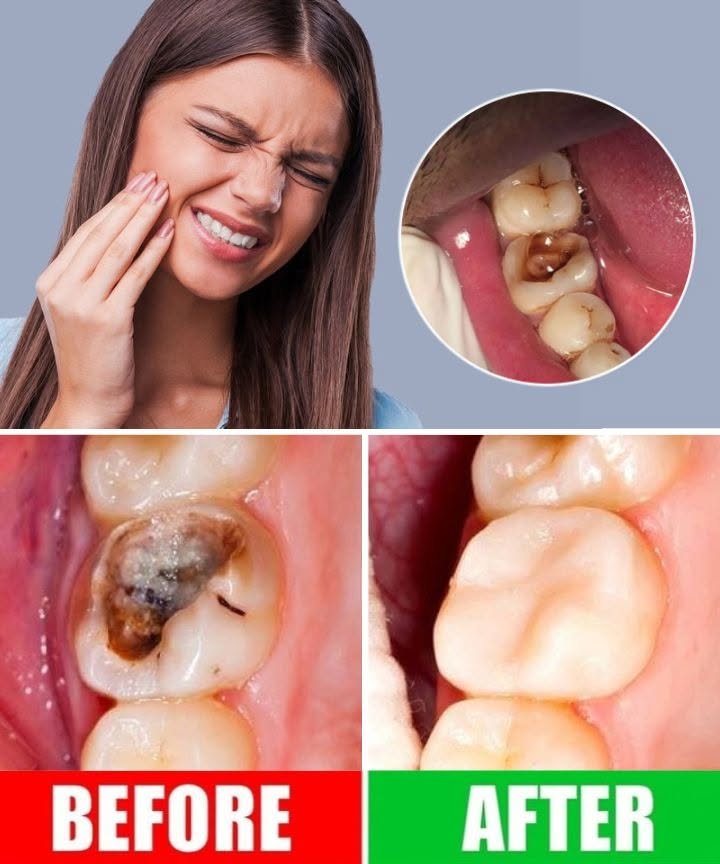
How to Naturally Prevent Cavities and Support Better Dental Health
How to Naturally Prevent Cavities and Support Better Dental Health
A cavity can be frustrating to discover, but understanding how tooth decay works can help you protect your smile.
Many people search for ways to “naturally repair” cavities at home. The truth is that **a true cavity (a hole caused by tooth decay) cannot grow back once tooth structure has been permanently lost**. However, in the earliest stages—before a cavity forms—your teeth may be able to **remineralize** and strengthen with proper care.
The best approach is preventing decay before it progresses.
# What Causes Cavities?
Cavities develop when bacteria in your mouth produce acids that attack tooth enamel.
Over time, repeated acid exposure can cause:
* Weak enamel
* Small damaged areas
* Tooth sensitivity
* Permanent holes in teeth
Common factors that increase cavity risk include:
* Frequent sugary foods and drinks
* Poor brushing habits
* Plaque buildup
* Dry mouth
* Frequent acidic drinks
* Lack of fluoride exposure
# Signs You May Have Tooth Decay
Early tooth decay may not cause symptoms, but possible warning signs include:
* Sensitivity to hot, cold, or sweet foods
* Tooth pain
* Dark spots on teeth
* Visible holes or pits
* Food getting stuck in certain areas
* Bad breath that does not improve
A dentist can identify problems before they become more serious.
# Natural Ways to Support Stronger Teeth
While natural methods cannot rebuild a deep cavity, these habits can support enamel health.
## 1. Eat Foods That Support Dental Health
A balanced diet provides nutrients needed for strong teeth.
Helpful foods include:
* Dairy products such as milk and yogurt
* Leafy green vegetables
* Eggs
* Nuts and seeds
* Fish rich in vitamin D
* High-fiber fruits and vegetables
Calcium and vitamin D play important roles in maintaining healthy teeth and bones.
## 2. Reduce Sugar Exposure
Sugar feeds harmful bacteria that produce enamel-damaging acids.
Try to:
* Limit sugary snacks
* Avoid frequent sipping of sweet drinks
* Choose water between meals
* Eat sweets with meals rather than constantly throughout the day
The frequency of sugar exposure matters as much as the amount.
## 3. Use Fluoride Toothpaste
Fluoride is one of the most researched ingredients for protecting teeth.
It can help:
* Strengthen enamel
* Support remineralization of early damage
* Reduce cavity risk
Brush twice daily for about two minutes using a soft toothbrush.
## 4. Keep Your Mouth Moist
Saliva naturally protects your teeth by:
* Neutralizing acids
* Washing away food particles
* Helping repair early enamel damage
To support saliva production:
* Drink enough water
* Chew sugar-free gum
* Avoid excessive dehydration
## 5. Practice Good Oral Hygiene
Daily habits make the biggest difference.
Recommended routine:
✔ Brush twice daily
✔ Clean between teeth with floss or interdental cleaners
✔ Replace your toothbrush regularly
✔ Visit your dentist for routine checkups
# Popular Home Remedies: What to Know
Many online remedies claim to “heal cavities naturally,” but some can be misleading.
### Oil Pulling
Oil pulling may help reduce some oral bacteria, but it does not remove cavities or replace brushing and dental treatment.
### Baking Soda
Baking soda can help neutralize acids when used appropriately in dental products. However, aggressive scrubbing with baking soda may damage enamel.
### Clove Oil
Clove oil has traditionally been used for temporary tooth discomfort, but it does not repair tooth decay.
Always be cautious with home remedies that promise to reverse established cavities.
# How to Avoid Future Dental Problems
Simple habits can greatly reduce your risk of cavities:
* Drink plenty of water.
* Avoid frequent sugary drinks.
* Brush gently with fluoride toothpaste.
* Clean between teeth daily.
* Do not ignore tooth sensitivity or pain.
* Schedule regular dental visits.
# When You Should See a Dentist
Do not delay professional care if you have:
* Persistent tooth pain
* A visible hole in a tooth
* Swelling around the gums
* Severe sensitivity
* Broken or chipped teeth
Treating cavities early is usually simpler and helps prevent complications.
# Final Thoughts
The best “natural cavity repair” is prevention. While early enamel weakness can sometimes improve through remineralization, a fully developed cavity cannot be reversed with home remedies alone.
Protect your smile by focusing on the basics:
🦷 Eat a tooth-friendly diet
🦷 Use fluoride toothpaste
🦷 Maintain daily oral hygiene
🦷 Limit sugar exposure
🦷 Visit a dentist regularly
Healthy teeth come from consistent care—not quick fixes.
**Medical Disclaimer:** This article is for educational purposes only and is not a substitute for professional dental advice, diagnosis, or treatment. Always consult a licensed dentist for tooth pain, cavities, or dental concerns.