How Guava Can Support Eye Health Naturally: Benefits, Safe Uses, and What Science Says
How Guava Can Support Eye Health Naturally: Benefits, Safe Uses, and What Science Says
Could a simple tropical fruit become part of your everyday eye-health routine?
Guava is more than a sweet and refreshing fruit. It is naturally rich in vitamin C, fiber, and a variety of plant compounds, making it a nutritious addition to a balanced diet. Some of these nutrients help protect cells from oxidative stress and support normal body functions that are important for healthy aging.
But there is an important distinction: guava is a nutritious food, not a treatment for eye disease. Eating it regularly may contribute to an overall eye-friendly diet, but it cannot replace an eye examination, prescribed medication, or treatment for conditions such as cataracts, glaucoma, or retinal disease.
Why Is Guava Good for Overall Eye Wellness?
🍈 1. Rich in Vitamin C
Guava is particularly notable for its vitamin C content. Vitamin C is an antioxidant that helps protect cells from oxidative stress and contributes to normal collagen formation and immune function.
Because the structures of the eye contain connective tissue and are exposed to oxidative stress, getting enough antioxidant-rich foods is part of a healthy dietary pattern.
Research from the U.S. Department of Agriculture has also highlighted guava’s high levels of vitamin C, fiber, and antioxidant compounds compared with many other tropical fruits.
🌿 2. Provides Beneficial Plant Compounds
Guava contains several naturally occurring phytochemicals, including polyphenols, flavonoids, and carotenoid compounds.
These substances have antioxidant properties and may help protect cells from oxidative damage.
However, laboratory findings about individual compounds should not be interpreted as proof that eating guava prevents or treats a particular eye disease.
🥕 3. Fits Into an Eye-Friendly Diet
Healthy vision depends on much more than one food.
A balanced diet that includes colorful fruits and vegetables can provide nutrients associated with eye health. Foods such as leafy green vegetables are particularly important sources of lutein and zeaxanthin, carotenoids that are concentrated in the retina.
Guava can complement these foods rather than replace them.
Can Guava Improve Vision?
Not overnight—and not by itself.
There is currently no strong clinical evidence showing that guava can restore lost vision or cure conditions such as:
- Cataracts
- Glaucoma
- Age-related macular degeneration
- Retinal disorders
- Eye infections
For people with certain forms of age-related macular degeneration, specific high-dose nutritional supplements have been studied in clinical trials. These are specialized formulations and are not equivalent to simply eating antioxidant-rich fruit.
The best approach is to think of guava as one nutritious part of a broader eye-health lifestyle.
🍹 A Simple Guava Smoothie for a Nutrient-Rich Diet
One easy way to enjoy guava is to combine it with other colorful produce.
Ingredients
- 1 ripe guava
- 1 small carrot
- A handful of spinach
- 1 cup of water
- Ice, if desired
Preparation
- Wash the fruits and vegetables thoroughly.
- Chop the guava and carrot into small pieces.
- Add everything to a blender.
- Blend until smooth.
- Drink immediately.
This combination provides vitamin C, carotenoids, fiber, and other plant nutrients.
For an even more balanced snack, you can pair the smoothie with a source of protein such as plain yogurt, eggs, or a small handful of nuts.
🌿 What About Guava Leaves?
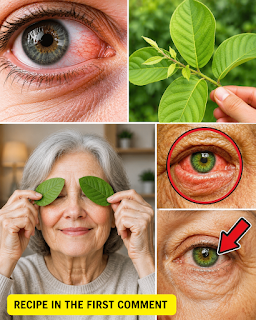
Guava leaves have been studied for their various plant compounds, including antioxidant and antimicrobial activity. However, laboratory research on guava leaves does not mean that homemade guava-leaf preparations are proven treatments for eye problems.
Most importantly:
Never put homemade guava-leaf tea, juice, extracts, or other herbal preparations directly into your eyes.
The surface of the eye is extremely delicate, and homemade preparations cannot be guaranteed to be sterile.
If you enjoy guava leaves as a traditional tea, treat them as a beverage—not as an eye medicine.
🚫 Avoid Homemade “Natural Eye Drops”
It may be tempting to believe that because something is natural, it is automatically safe for the eyes.
That is not the case.
Avoid putting homemade preparations made from:
- Guava leaves
- Honey
- Lemon juice
- Herbal teas
- Plant extracts
- Essential oils
- Raw fruit juice
directly into the eyes unless a qualified eye-care professional specifically recommends a sterile product.
Natural ingredients can still irritate or damage sensitive eye tissues.
👁️ 5 Everyday Habits That Support Healthy Eyes
Eating guava is only one small piece of the puzzle.
1. Eat Colorful Produce
Include a variety of fruits and vegetables rather than relying on one “superfood.”
Leafy greens, colorful vegetables, beans, nuts, fish, and fruits can all contribute valuable nutrients.
2. Protect Your Eyes From UV Exposure
When outdoors, sunglasses that provide appropriate UV protection can help reduce unnecessary ultraviolet exposure.
3. Take Screen Breaks
If you spend long periods looking at a phone or computer, regularly look away and allow your eyes to rest.
4. Get Enough Sleep
Poor sleep can contribute to tired, dry, or uncomfortable eyes. Maintaining a regular sleep schedule supports overall health.
5. Have Regular Eye Examinations
Many eye conditions can develop gradually without obvious symptoms. Regular comprehensive eye examinations are therefore more important than relying on foods or home remedies.
What About Guava and Eye Aging?
Aging naturally changes the eyes, and nutrition becomes increasingly important as part of overall health.
Vitamin C and other antioxidants help protect cells from oxidative stress. Guava can therefore be a useful addition to a varied, nutrient-rich diet.
But healthy aging of the eyes involves many factors, including:
- Blood pressure control
- Blood sugar management
- Avoiding smoking
- UV protection
- Physical activity
- Healthy nutrition
- Regular eye examinations
- Appropriate treatment of existing medical conditions
No single fruit can provide all of these benefits.
Frequently Asked Questions
Can eating guava improve eyesight?
Guava can provide nutrients that support overall health, but there is no evidence that eating guava alone can significantly improve eyesight or reverse an eye disease.
Can I eat guava every day?
For most healthy adults, guava can be included regularly as part of a balanced diet. Portion size and individual dietary needs still matter.
Are guava leaves good for the eyes?
Guava leaves contain interesting plant compounds, but there is not enough clinical evidence to recommend them as a treatment for eye disease.
Can guava replace eye medication?
No. Never stop prescribed eye medication because you start eating guava or using another natural product.
Can I put guava-leaf tea in my eyes?
No. Homemade herbal liquids are not sterile and should not be used as eye drops.
When should I see an eye doctor?
Seek professional evaluation for persistent blurred vision, significant eye pain, redness, sudden changes in vision, flashes, new floaters, or other unexplained visual symptoms.
The Bottom Line
Guava is a delicious and nutrient-rich fruit that can be part of an eye-friendly diet.
Its vitamin C, fiber, and naturally occurring plant compounds make it a valuable addition to a varied nutritional pattern. However, it should be viewed as nutritional support—not a cure or treatment for eye disease.
Instead of searching for one miracle food, build your eye-health routine around several proven habits: eat a variety of colorful foods, protect your eyes from excessive UV exposure, stay active, manage chronic health conditions, avoid smoking, and maintain regular eye examinations.
Healthy vision is supported by consistent everyday choices—and enjoying a fresh guava can certainly be one of them.
Disclaimer: This article is for educational purposes only and does not replace professional medical advice, diagnosis, or treatment. If you experience persistent eye discomfort, eye pain, redness, blurred vision, or sudden changes in vision, consult a qualified eye-care professional promptly.