🎃 What Is Pumpkin and Why Is It So Beneficial?
Pumpkin is a highly nutritious vegetable that is naturally low in calories, making it an excellent choice for healthy, preventive, and supportive diets. It contains essential nutrients that help support overall wellness, especially metabolic and heart health.
🌿 Key Nutrients in Pumpkin
Pumpkin is rich in:
- Soluble and insoluble fiber
- Beta-carotene (a precursor of vitamin A)
- Vitamins C and E
- Potassium and magnesium
- Natural antioxidants
- Low glycemic load when consumed properly
Thanks to this powerful combination, pumpkin can help support blood sugar control, reduce LDL (“bad”) cholesterol, and promote healthier arteries.
❤️ Health Benefits of Pumpkin for Metabolic and Cardiovascular Health
1. Helps Regulate Blood Sugar
The fiber in pumpkin slows the absorption of glucose in the bloodstream. This helps prevent sudden spikes in blood sugar levels. When eaten in moderate portions, pumpkin fits well into balanced meals for people with insulin resistance or prediabetes.
2. Supports Cholesterol Reduction
Soluble fiber binds to bile acids in the digestive system, helping the body remove excess cholesterol and reducing its reabsorption.
3. Contributes to Artery Health
Pumpkin contains antioxidants that help fight oxidative stress, one of the main causes of arterial stiffness and plaque buildup.
4. Promotes Heart Health
Potassium helps regulate blood pressure, while pumpkin’s anti-inflammatory compounds support healthy cardiovascular function.
🥣 Homemade Pumpkin Remedy for High Blood Sugar
Steamed Pumpkin Purée (Daily, Controlled Use)
Ingredients
- 1 cup cooked pumpkin
- Water (no salt)
- Optional: a pinch of cinnamon
Preparation
- Steam or boil the pumpkin without adding salt.
- Mash or blend until smooth.
- Add a small pinch of cinnamon if desired.
How to Consume
- ½ cup per day
- Preferably at lunch
- Combine with protein and healthy fats
Why It Works
The combination of fiber and antioxidants helps stabilize blood sugar levels and supports better insulin response.
🥤 Homemade Pumpkin Remedy to Help Lower Cholesterol
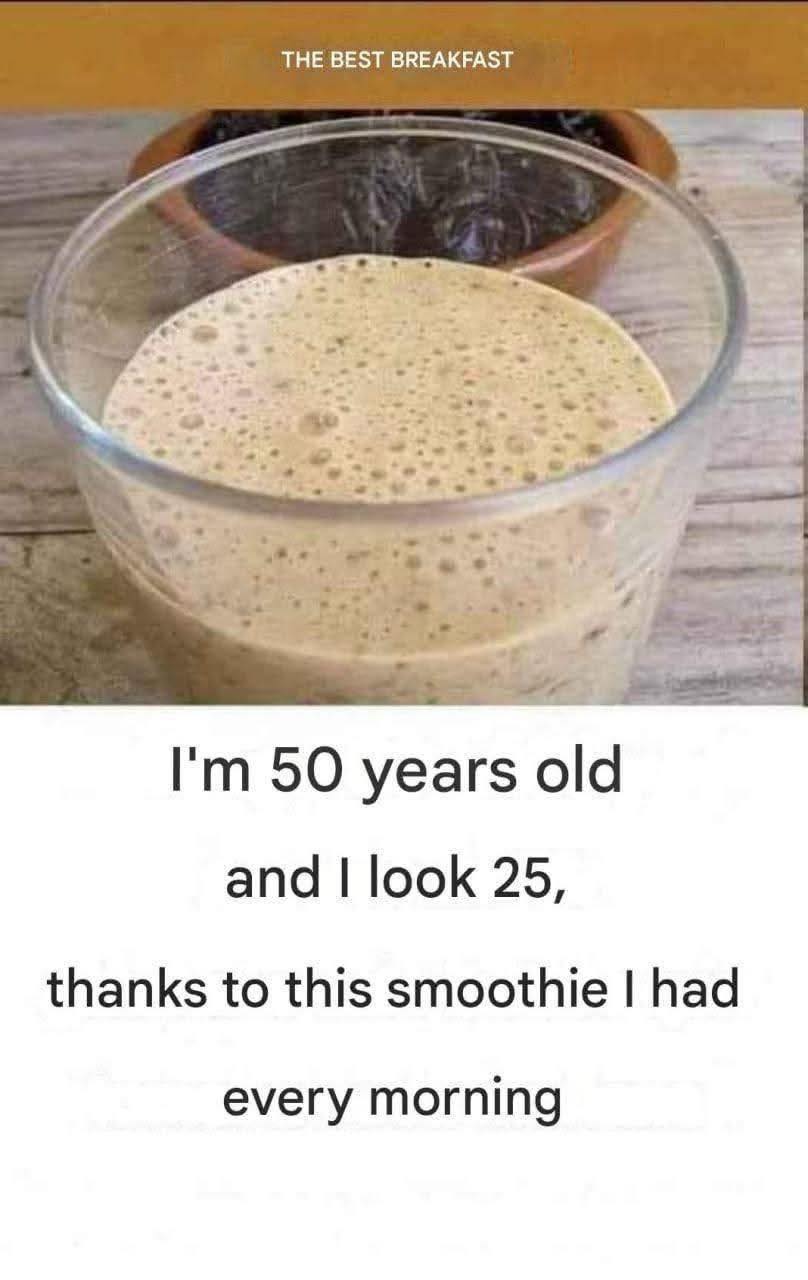
Pumpkin Smoothie with Oats and Flaxseed
Ingredients
- ½ cup cooked pumpkin
- 1 tablespoon whole oats
- 1 teaspoon ground flaxseed
- 1 glass of water
Preparation
Blend all ingredients until smooth. Do not add sugar.
How to Take It
- 3 times per week
- In the morning or mid-morning
Main Benefit
The soluble fiber from pumpkin, oats, and flaxseed helps reduce fat absorption in the intestines.
🧄 Natural Pumpkin Recipe to Support Artery Health
It’s important to understand that arteries are not literally “cleaned” like pipes. However, diet can improve flexibility, reduce inflammation, and slow plaque buildup.
Pumpkin Cream with Garlic and Olive Oil
Ingredients
- 1 cup cooked pumpkin
- 1 small garlic clove
- 1 tablespoon extra virgin olive oil
- Water
Preparation
Blend all ingredients into a smooth cream and consume warm.
Frequency
- 2 times per week
- Preferably at dinner
Why It Helps
- Pumpkin provides antioxidants
- Garlic supports circulation
- Olive oil protects blood vessels
⏳ How Long Should You Use These Remedies?
Pumpkin works gradually, not instantly.
- Initial improvements: 2–3 weeks
- More stable benefits: 2–3 months
- Best results occur alongside a balanced diet
Consistency is the key to long-term success.
⚠️ Common Mistakes When Using Pumpkin for Health
Avoid these habits:
- Eating pumpkin fried or with added sugar
- Consuming excessive portions
- Using it as a replacement for medication
- Combining it mainly with refined flours
These practices can reduce or cancel its health benefits.
👩⚕️ Who Should Be Cautious?
Pumpkin is generally safe, but moderation is important for:
- People with poorly controlled diabetes
- Patients with kidney problems (due to potassium content)
- Individuals on very low-carbohydrate diets
When in doubt, consult a healthcare professional.
🌱 Tips to Maximize Pumpkin’s Benefits
- Eat a diet rich in vegetables
- Reduce sugar and trans fats
- Stay physically active
- Drink enough water
- Get adequate sleep
Pumpkin works best as part of a healthy lifestyle, not as a standalone solution.
❓ Frequently Asked Questions
Can I eat pumpkin every day?
Yes, in moderate portions and as part of balanced meals.
Does pumpkin raise blood sugar?
Not when it is cooked plainly, without sugar, and eaten in reasonable amounts.
Is raw pumpkin useful for these purposes?
Raw pumpkin is not recommended. Cooked pumpkin is easier to digest and more beneficial.
🩺 Pumpkin and Blood Sugar Control: A Closer Look
Diet plays a major role in managing blood sugar levels, especially for people with prediabetes or type 2 diabetes. Pumpkin stands out because of its balanced nutritional profile when prepared correctly.
Glycemic Index and Why It Matters
Cooked pumpkin has a moderate glycemic index but a low glycemic load when eaten in proper portions. This means:
- It does not cause sharp spikes in blood sugar
- It supports more stable energy levels
- It reduces stress on the pancreas
Preparation methods and food combinations make a significant difference.
🥗 Best Food Combinations
For better blood sugar control, combine pumpkin with:
- Proteins (eggs, fish, legumes)
- Healthy fats (olive oil, avocado)
- Extra fiber (green vegetables)
These combinations slow digestion and improve metabolic response.
🎃 Pumpkin Seeds: A Powerful and Often Ignored Complement
Pumpkin seeds are highly nutritious and provide additional health benefits.
They are:
- Rich in zinc
- A source of healthy fats
- Helpful for cholesterol balance
- Supportive of metabolic health
How to Use Them
- Lightly toasted without salt
- Ground and added to salads or smoothies
- About 1 tablespoon per day is sufficient
In moderation, they do not raise blood sugar.
📅 Simple Weekly Plan with Pumpkin
- Monday: Pumpkin purée with baked fish
- Wednesday: Pumpkin cream with garlic and olive oil
- Friday: Pumpkin, oat, and flaxseed smoothie
- Sunday: Roasted pumpkin with vegetables and seeds
Planning meals makes it easier to use pumpkin consistently.
❌ Common Myths About Pumpkin
“Pumpkin is bad for diabetics.”
False. The issue is portion size and preparation, not pumpkin itself.
“Pumpkin causes weight gain.”
False. It is low in calories and high in fiber.
“It’s just food and not helpful for health.”
Incomplete. While not a medicine, pumpkin has real nutritional benefits.
🧡 Conclusion
Pumpkin is a nutrient-rich, functional food that can support healthy blood sugar levels, help reduce cholesterol, and contribute to better artery health.
When used wisely, consistently, and as part of a balanced lifestyle, it can provide meaningful and sustainable health benefits.
It is not a miracle cure—but it is a powerful and natural tool for maintaining overall health.