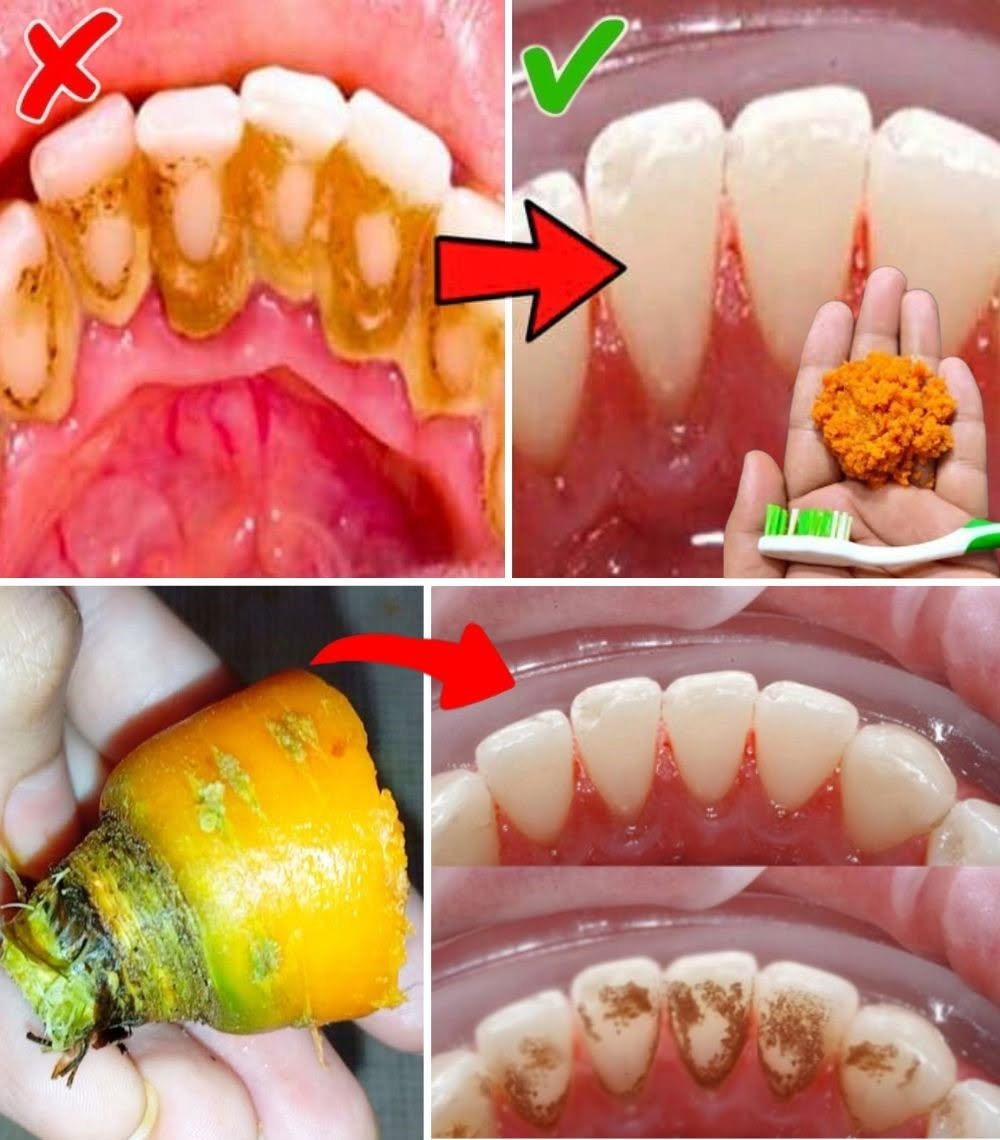
Home Teeth Whitening: Get Whiter Teeth in Just 2 Minutes!
Home Teeth Whitening: Get Whiter Teeth in Just 2 Minutes!
Have you ever looked in the mirror and wished your teeth were a little whiter, brighter, and more beautiful? A bright smile can make you feel more confident when talking to friends, taking photographs, attending special occasions, or meeting new people. Unfortunately, everyday habits such as drinking tea and coffee, eating certain foods, and smoking can gradually cause tooth discoloration.
The good news is that you do not always need expensive cosmetic dental treatments to improve the appearance of your smile. Simple oral hygiene habits and carefully selected whitening products can help remove some surface stains and keep your teeth looking cleaner.
But can you really whiten your teeth at home in just two minutes? What methods are safe, which popular remedies should you avoid, and how can you achieve a brighter smile without damaging your tooth enamel?
In this article, we will explore practical home teeth-whitening methods, explain what you can realistically expect from a two-minute routine, and share tips to help you maintain a healthy, attractive smile.
Why Do Teeth Become Yellow?
Before choosing a whitening method, it is helpful to understand why teeth lose their natural brightness.
Teeth can become yellow or stained for several reasons, and the right solution depends on the underlying cause.
1. Tea and coffee stains
Tea and coffee contain compounds that can stain tooth surfaces over time. If you drink these beverages frequently, you may notice yellow or brown discoloration, especially when regular brushing is not thorough.
You do not necessarily need to stop drinking tea or coffee completely. However, reducing frequent exposure and rinsing your mouth with water afterward may help limit staining.
2. Plaque and tartar buildup
Plaque is a sticky film of bacteria that forms on your teeth. If it is not removed regularly, it can harden into tartar.
Plaque can make teeth look dull, while tartar may appear yellow or brown near the gumline. Once tartar has hardened, ordinary brushing and whitening toothpaste cannot reliably remove it. Professional dental cleaning is usually required.
3. Natural tooth color
Not everyone’s teeth are naturally bright white. Tooth enamel is partly translucent, allowing the naturally yellowish dentin beneath it to influence the color of your teeth.
This means that perfectly healthy teeth can have a slightly yellow appearance.
4. Smoking and tobacco use
Tobacco can cause stubborn stains and also increases the risk of gum disease, tooth loss, and oral cancer.
Stopping tobacco use can improve oral health and help prevent further discoloration.
5. Aging
As you grow older, enamel may gradually become thinner through normal wear. This can make the underlying dentin more visible, causing teeth to appear darker or yellower.
Understanding the cause of discoloration helps you choose a method that is more likely to work.
Can You Whiten Your Teeth in Just 2 Minutes?
Two minutes is an important amount of time for daily oral care, but it is not a magic solution for every type of tooth discoloration.
Brushing for two minutes with fluoride toothpaste helps remove plaque and food debris, protects against cavities, and supports healthy gums. It may also gradually improve the appearance of teeth by removing some surface deposits.
However, brushing does not instantly bleach natural tooth color, and it cannot remove hardened tartar.
If you want noticeable whitening, you may need a product specifically designed for that purpose, such as whitening toothpaste or appropriately formulated whitening strips.
The realistic goal of a two-minute routine is cleaner teeth and better oral hygiene, not a dramatic color change overnight.
Step-by-Step: A Simple Two-Minute Routine for Cleaner, Brighter Teeth
You can start improving your oral hygiene today with a simple routine.
Step 1: Choose a soft-bristled toothbrush
A soft-bristled toothbrush can clean your teeth effectively while reducing unnecessary irritation and abrasion.
Choose a brush that fits comfortably in your mouth and allows you to reach the back teeth.
An electric toothbrush may also be helpful if you find it difficult to brush thoroughly with a manual brush.
Step 2: Use fluoride toothpaste
Apply an appropriate amount of fluoride toothpaste according to the product instructions.
Fluoride helps strengthen enamel and reduce the risk of tooth decay. Some whitening toothpastes also contain ingredients that help remove surface stains.
Remember that whitening toothpaste generally works on surface discoloration rather than changing the natural color of teeth.
Step 3: Brush gently for two minutes
Divide your mouth into four sections and spend approximately 30 seconds cleaning each section.
Brush the outer surfaces, inner surfaces, and chewing surfaces of your teeth. Angle the bristles gently toward the gumline and use small, controlled movements.
Avoid brushing aggressively. Applying excessive pressure will not make your teeth whiter faster and may contribute to gum recession or enamel wear.
Step 4: Clean between your teeth
Use dental floss or interdental brushes daily to remove plaque from areas your toothbrush cannot reach.
Cleaning between your teeth helps reduce plaque buildup and supports healthier gums.
Step 5: Clean your tongue
Gently clean your tongue with a toothbrush or tongue scraper. This can help reduce the buildup of bacteria and food debris that contribute to bad breath.
Follow the instructions on your toothpaste and any whitening product you use.
Five Safe Ways to Make Your Teeth Look Whiter at Home
If your goal is a brighter smile, several approaches may help without requiring an immediate visit for cosmetic treatment.
1. Use a whitening toothpaste
Whitening toothpaste is one of the simplest options for people with mild surface stains.
Many whitening toothpastes use gentle polishing ingredients to help remove discoloration caused by tea, coffee, and food.
Some products may also contain additional whitening ingredients, but results vary.
Best for: People with mild surface stains who want to maintain cleaner-looking teeth.
What to expect: Gradual improvement in some surface stains rather than dramatic bleaching of natural tooth color.
Choose a reputable product and discontinue use if it causes persistent sensitivity or irritation.
2. Consider whitening strips
Whitening strips are thin strips coated with a whitening formula, commonly containing a peroxide-based ingredient.
When used according to their instructions, some products can lighten the natural color of teeth over a period of days or weeks.
They do not usually produce their full effect in two minutes.
Best for: People who want a more noticeable whitening effect than ordinary toothpaste may provide.
What to expect: Results depend on the product, the type of discoloration, and consistent use.
Whitening strips can cause temporary tooth sensitivity or gum irritation. Ask a dentist before using them if you have cavities, gum disease, significant sensitivity, or dental restorations that may not whiten evenly.
3. Rinse your mouth with water after staining drinks
After drinking tea, coffee, or other staining beverages, drinking or rinsing with plain water can help wash away some residue.
This is a simple habit that may help reduce the accumulation of stains over time.
It will not remove established discoloration or hardened tartar, but it can complement regular brushing.
4. Eat a balanced diet
A balanced diet supports healthy teeth and gums. Include a variety of vegetables, fruits, whole grains, protein sources, and calcium-rich foods.
Crunchy fruits and vegetables can stimulate saliva and help remove some loose food debris during chewing. However, they do not replace brushing and flossing or bleach teeth.
Avoid relying on any particular food as a guaranteed whitening remedy.
5. Visit a dentist for professional advice
If your teeth remain discolored despite good oral hygiene, a dentist can help identify the cause.
Professional cleaning can remove hardened tartar and certain external stains. If appropriate, professional whitening may provide a more noticeable change in tooth color.
A dental examination is particularly important if one tooth suddenly becomes darker or discoloration appears alongside pain or sensitivity.
Home Teeth-Whitening Remedies You Should Avoid
Online videos often promote homemade mixtures that promise an instantly white smile. Unfortunately, some of these methods can damage your teeth.
Lemon juice and vinegar
Lemon juice and vinegar are acidic. Applying them to your teeth can erode enamel, increase sensitivity, and potentially make the yellowish dentin beneath the enamel more visible.
Avoid using acidic household ingredients as whitening treatments.
Activated charcoal
Charcoal powders and pastes are often advertised as natural whitening products, but strong evidence supporting their effectiveness and safety is limited.
Some products may be abrasive, and charcoal cannot remove hardened tartar.
Scrubbing with salt
Rubbing coarse salt against your teeth can irritate your gums and cause unnecessary abrasion. It is not a proven method for safely bleaching teeth.
Homemade peroxide mixtures
Peroxide is used in certain formulated dental whitening products. However, homemade mixtures or overly concentrated products can injure oral tissues and cause significant irritation.
Use only suitable products according to their instructions, and seek professional advice if you are unsure which option is appropriate.
Scraping tartar with metal tools
Never use needles, sharp metal instruments, or household tools to scrape deposits from your teeth.
These methods can injure your gums, damage tooth surfaces, and potentially introduce infection.
If you have hard deposits attached to your teeth, arrange professional dental cleaning.
How to Keep Your Teeth White for Longer
Whitening is only part of maintaining an attractive smile. Daily habits help preserve the results and protect your oral health.
- Brush twice daily for two minutes with fluoride toothpaste.
- Clean between your teeth every day.
- Limit frequent consumption of sugary foods and drinks.
- Reduce tobacco exposure and seek help to stop smoking if needed.
- Drink water regularly, particularly after meals and staining beverages.
- Avoid aggressive brushing and abrasive homemade remedies.
- Replace your toothbrush when the bristles become frayed.
- Visit a dentist for checkups and professional cleaning as recommended.
If you use whitening products, follow the instructions and avoid using them more frequently than recommended.
Overusing whitening products does not necessarily produce better results and may increase tooth sensitivity or gum irritation.
What If Your Teeth Are Yellow Even After Brushing?
If your teeth remain yellow after regular brushing, do not assume that you are doing something wrong.
Some discoloration comes from the natural color of the teeth rather than surface dirt or plaque.
Whitening toothpaste may help with external stains, but it cannot dramatically change the natural color of every person’s teeth.
Other causes of persistent discoloration include certain medications, enamel changes, dental injuries, and aging.
A dentist can assess the cause and explain which treatments are likely to help.
If you have a darkened single tooth, significant pain, swelling, or persistent sensitivity, seek dental advice rather than repeatedly trying whitening remedies.
Is Home Teeth Whitening Safe for Everyone?
Not every whitening method is suitable for every person.
People with untreated cavities, gum disease, exposed tooth roots, or substantial tooth sensitivity may experience worsening symptoms when using whitening products.
Crowns, veneers, and tooth-colored fillings generally do not respond to bleaching in the same way as natural teeth. This can result in uneven coloration.
Children and teenagers should not use bleaching products without appropriate professional guidance.
If you are pregnant or breastfeeding, consult your healthcare professional or dentist before using bleaching treatments because safety information may be limited for some products.
When in doubt, ask a dentist to help you select a safe and appropriate approach.
Frequently Asked Questions About Home Teeth Whitening
1. Can I whiten my teeth in two minutes?
Brushing for two minutes helps remove plaque and maintain a cleaner appearance, but it will not dramatically whiten teeth instantly. Whitening products generally require repeated use according to their instructions.
2. What is the easiest way to whiten teeth at home?
Start with regular brushing using fluoride toothpaste, daily cleaning between your teeth, and reducing exposure to staining substances. A reputable whitening toothpaste may help with surface stains, while suitable whitening strips may provide a greater change in tooth color.
3. Does baking soda whiten teeth?
Some commercially formulated toothpastes containing baking soda can help remove surface stains. However, aggressively scrubbing teeth with homemade mixtures is not recommended, and baking soda does not bleach teeth or remove hardened tartar.
4. Can yellow teeth become white again?
Depending on the cause, discoloration may improve with professional cleaning or whitening treatments. Natural tooth color, certain types of internal staining, and dental restorations may not respond in the same way.
5. How long does home teeth whitening take?
The timeline depends on the method. Whitening toothpaste may gradually improve surface stains, while peroxide-based whitening strips commonly require repeated applications over several days or weeks. Follow the instructions for your specific product.
6. Does brushing harder make teeth whiter?
No. Brushing aggressively can damage gums and contribute to enamel wear. Gentle, thorough brushing for two minutes is a better approach.
7. Can I use whitening toothpaste every day?
Many whitening toothpastes are intended for regular use, but you should follow the product instructions and choose one appropriate for your teeth. If you develop persistent sensitivity or irritation, stop using it and consult a dentist.
Final Thoughts: A Brighter Smile Starts With Healthy Habits
A whiter smile does not have to begin with expensive cosmetic procedures or risky home remedies. Simple daily habits can help remove plaque, reduce certain surface stains, and protect your teeth against cavities and gum disease.
Brushing for two minutes twice daily, using fluoride toothpaste, cleaning between your teeth, drinking water after staining beverages, and choosing appropriate whitening products can all contribute to a cleaner-looking smile.
However, it is important to understand that two minutes of brushing cannot instantly bleach natural teeth or remove hardened tartar. If your teeth are persistently stained or covered with hard deposits, professional dental advice can help you find the right solution.
The real secret to a brighter smile is consistent care, safe whitening practices, and healthy teeth—not a miracle mixture or an overnight promise.