Healthy Spine vs Osteoporosis: Simple Daily Habits to Support Strong Bones and Better Posture
Healthy Spine vs Osteoporosis: Simple Daily Habits to Support Strong Bones and Better Posture
A strong spine plays a crucial role in overall health. It supports the body, protects the spinal cord, and allows us to move freely throughout the day. However, conditions such as osteoporosis can weaken bones, increasing the risk of fractures and poor posture.
The good news is that small lifestyle habits practiced daily may help support bone strength, improve posture, and maintain spinal health. While these habits cannot replace medical care, they can be valuable additions to a balanced wellness routine.
In this guide, we’ll explore the relationship between spinal health and osteoporosis, along with simple daily habits that may help support stronger bones and better posture over time.
Understanding the Spine and Bone Health
The spine is composed of 33 vertebrae, stacked in a flexible column that supports the body’s structure. These bones are connected by discs, ligaments, and muscles that allow movement while protecting the spinal cord.
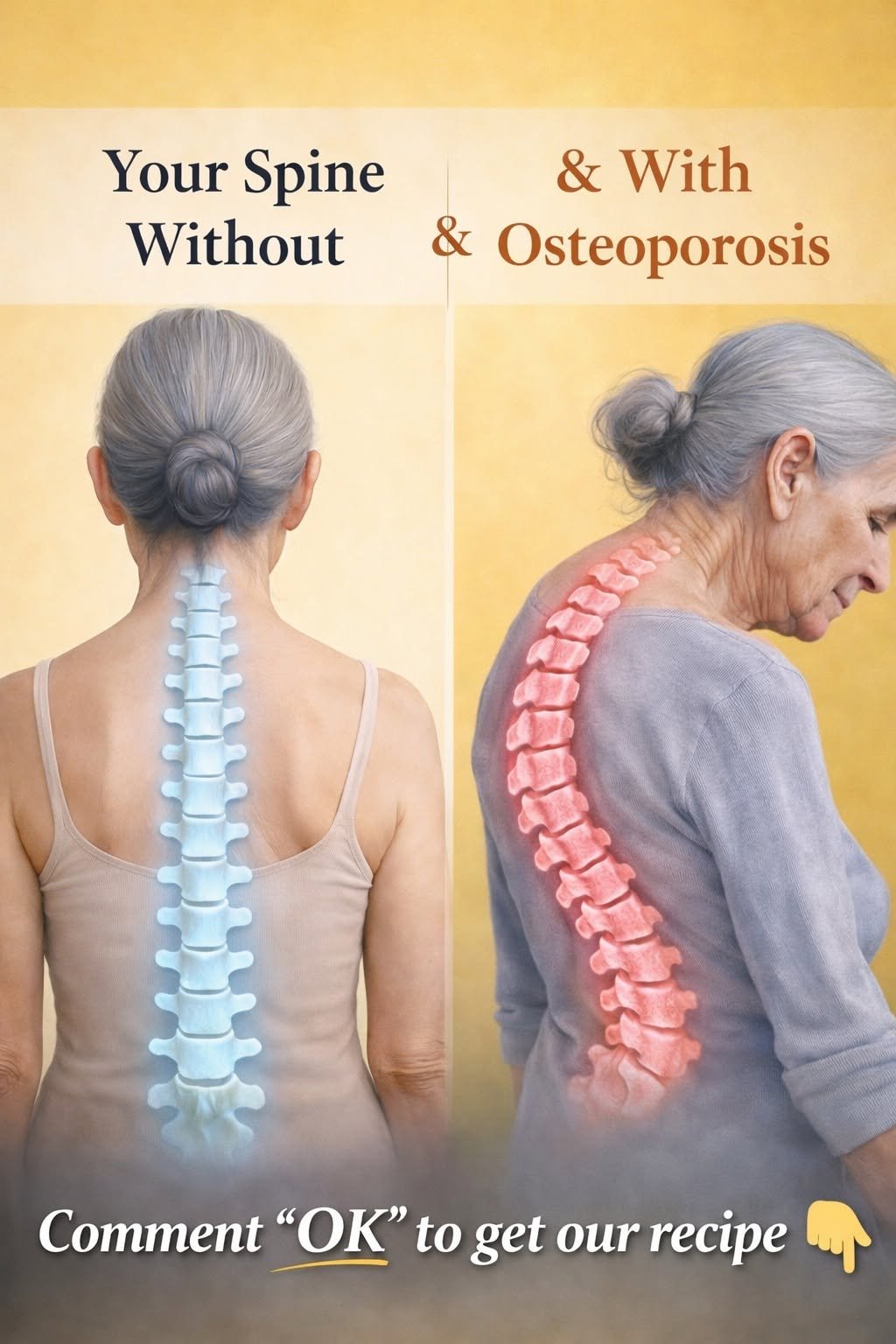
Healthy vertebrae are strong and dense. However, when bone density decreases, the spine becomes more vulnerable to problems such as:
Compression fractures
Back pain
Reduced mobility
Curved posture
One of the most common conditions affecting bone density is osteoporosis, a disease that gradually weakens bones.
What Is Osteoporosis?
Osteoporosis occurs when the body loses too much bone mass or does not produce enough new bone tissue. As a result, bones become porous, fragile, and more likely to fracture.
This condition often develops slowly and may not show symptoms until a fracture occurs. The spine, hips, and wrists are among the most commonly affected areas.
Risk factors for osteoporosis include:
Aging
Hormonal changes
Low calcium intake
Sedentary lifestyle
Smoking and excessive alcohol use
Maintaining healthy habits early in life can help support bone health as the body ages.
Why Spinal Health Matters
The spine is central to balance, mobility, and posture. When vertebrae lose strength due to osteoporosis or poor lifestyle habits, the structure of the spine may change.
Possible effects include:
Forward-leaning posture
Height loss
Chronic back discomfort
Increased risk of fractures
Supporting spinal health involves caring for both bone density and the surrounding muscles that stabilize the spine.
Daily Habits That May Support Stronger Bones
1. Eat Foods Rich in Calcium
Calcium is one of the most important minerals for bone health. It helps maintain bone density and supports the structure of the skeleton.
Calcium-rich foods include:
Dairy products such as milk and yogurt
Leafy green vegetables
Almonds
Sardines and salmon with bones
Calcium-fortified foods
Adults typically require around 1,000–1,200 mg of calcium per day, depending on age and health conditions.
2. Get Enough Vitamin D
Vitamin D helps the body absorb calcium effectively. Without sufficient vitamin D, even a calcium-rich diet may not provide optimal benefits.
Sources of vitamin D include:
Sunlight exposure
Fatty fish such as salmon and mackerel
Egg yolks
Fortified foods
Many people spend long hours indoors, which may limit natural vitamin D production. Moderate sun exposure may help support healthy levels.
3. Stay Physically Active
Regular movement plays a key role in maintaining bone density and spinal strength.
Weight-bearing exercises encourage the body to maintain strong bones. Activities that may help include:
Walking
Light jogging
Dancing
Resistance training
Yoga or Pilates
Exercise also strengthens the muscles that support the spine, improving posture and balance.
4. Maintain Good Posture
Posture directly affects spinal alignment. Poor posture can place additional stress on the vertebrae and surrounding muscles.
Tips for better posture include:
Keeping the shoulders relaxed and aligned
Avoiding slouching while sitting
Adjusting desk height for proper ergonomics
Taking breaks from long periods of sitting
Practicing proper posture throughout the day helps distribute body weight evenly across the spine.
5. Strengthen Core Muscles
The core muscles—including the abdomen, lower back, and pelvic muscles—play an important role in stabilizing the spine.
Strong core muscles help:
Support spinal alignment
Reduce strain on vertebrae
Improve balance
Simple exercises that target the core include planks, bridges, and gentle abdominal exercises.
6. Avoid Smoking
Smoking has been associated with reduced bone density and slower bone regeneration. It may also interfere with the body’s ability to absorb calcium effectively.
Quitting smoking can benefit not only bone health but also cardiovascular and respiratory health.
7. Limit Excessive Alcohol Intake
Excessive alcohol consumption may negatively affect bone health by interfering with calcium balance and hormone levels involved in bone formation.
Moderate alcohol intake is generally recommended as part of a healthy lifestyle.
Simple Daily Stretching for Spine Flexibility
Gentle stretching exercises may help maintain spinal flexibility and reduce stiffness.
Examples include:
Cat–Cow Stretch
This yoga movement gently mobilizes the spine and improves flexibility.
Child’s Pose
A relaxing stretch that helps release tension in the lower back.
Shoulder Rolls
These movements help reduce tension in the upper back and neck.
Performing simple stretches for 5–10 minutes daily may support mobility and comfort.
Nutrition Tips for Long-Term Bone Support
A balanced diet plays a crucial role in maintaining bone health. Besides calcium and vitamin D, several nutrients contribute to strong bones.
Important nutrients include:
Magnesium – supports bone structure
Vitamin K – helps regulate calcium in bones
Protein – necessary for bone tissue formation
Potassium – may reduce calcium loss
Foods such as leafy greens, nuts, seeds, legumes, and lean proteins can contribute to a well-rounded bone-supportive diet.
When to Speak With a Healthcare Professional
If you experience symptoms such as persistent back pain, height loss, or a family history of osteoporosis, it may be helpful to consult a healthcare professional.
Bone density tests can help determine bone strength and assess the risk of fractures.
Early detection allows individuals to take appropriate steps to support bone health.
Final Thoughts
Maintaining a healthy spine and preventing bone loss requires consistent attention to lifestyle habits. Eating a balanced diet, staying active, practicing good posture, and supporting overall wellness can help promote stronger bones and better spinal alignment over time.
Although osteoporosis cannot always be prevented, adopting healthy daily habits may help reduce risk and support long-term bone health.
By caring for your spine today, you can help maintain mobility, balance, and independence for years to come.