
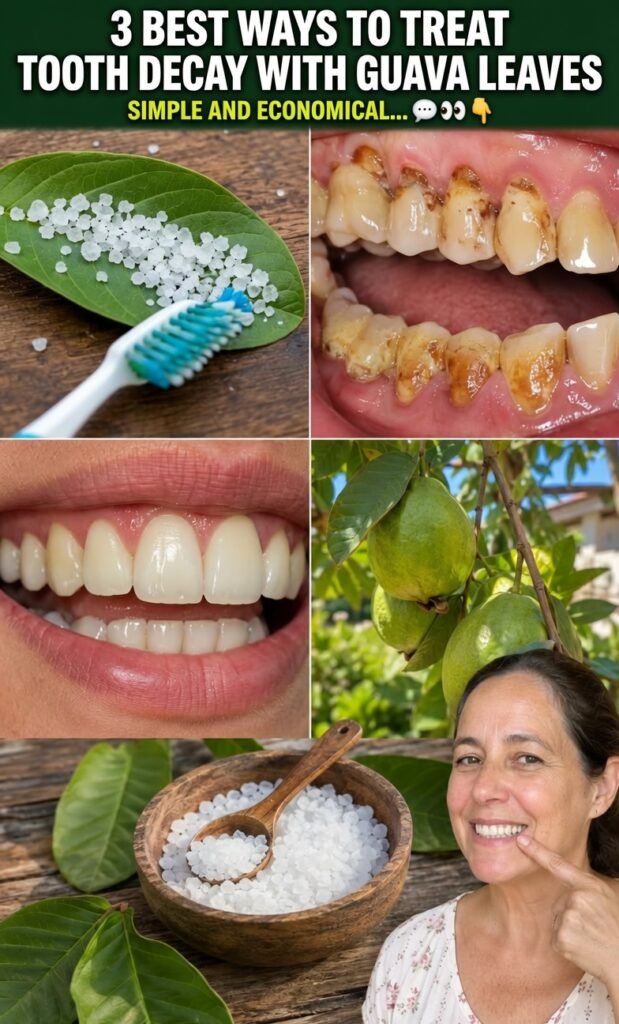
Guava Leaves for Better Oral Health: Natural Mouth Rinse Benefits, Recipe, and Safety Tips
Maintaining good oral hygiene does not always have to rely only on commercial products. For generations, many cultures have used natural plants as part of traditional wellness practices. One popular example is the guava leaf (Psidium guajava), which has been traditionally used to support gum health, reduce mouth discomfort, and promote fresher breath.
Modern research has shown that guava leaves contain several beneficial plant compounds, including flavonoids, polyphenols, tannins, and antioxidants. These natural components have attracted scientific attention because of their potential antimicrobial and anti-inflammatory properties.
However, it is important to understand that herbal remedies should support—not replace—proven dental care practices such as brushing with fluoride toothpaste, flossing, and regular dental checkups.
Why Are Guava Leaves Popular in Oral Care?
Guava leaves have been used in traditional medicine because they contain bioactive compounds that may interact with bacteria and inflammation in the body.
Important natural compounds found in guava leaves include:
- Flavonoids: Plant compounds known for antioxidant activity.
- Tannins: Natural substances that may have astringent properties.
- Polyphenols: Compounds studied for their protective effects against oxidative stress.
- Antioxidants: Nutrients that help protect cells from damage.
Because of these properties, guava leaves have traditionally been prepared as:
- Herbal mouth rinses
- Natural gargles
- Gum-supporting remedies
Scientific research is still developing, and more clinical studies are needed to fully understand their effectiveness.
Possible Benefits of Guava Leaf Mouth Rinse
1. May Support Gum Comfort
Healthy gums are an important part of overall oral wellness. Some studies suggest guava leaf extracts may help calm minor gum irritation because of their natural anti-inflammatory compounds.
However, symptoms such as ongoing bleeding, swelling, or painful gums should not be ignored. These may require professional dental evaluation.
2. Helps Promote Fresher Breath
Bad breath often develops because of bacteria buildup in the mouth. A herbal rinse may help reduce unpleasant mouth odors by supporting a cleaner oral environment.
For best results, it should be combined with:
- Regular brushing
- Daily flossing
- Drinking enough water
- Routine dental cleaning
3. Contains Natural Antioxidants
The antioxidants found in guava leaves may help protect cells from oxidative stress. While this does not make guava leaves a cure for dental problems, antioxidant-rich plants are often valued as part of a balanced wellness routine.
Can Guava Leaves Whiten Teeth Naturally?
Many online sources claim that guava leaves can make teeth dramatically whiter. Currently, there is not enough reliable scientific evidence to prove that guava leaves whiten tooth enamel.
If someone notices a brighter smile after using a herbal rinse, it may be due to:
- A cleaner feeling mouth
- Removal of minor surface debris
- Improved oral hygiene habits
For noticeable teeth whitening, professional dental treatments and dentist-approved whitening products remain the most reliable options.
Simple Guava Leaf Mouth Rinse Recipe
Ingredients:
- 6–8 fresh guava leaves
- 1 cup of clean water
- Optional: a small amount of salt
Preparation Method:
- Wash the guava leaves carefully to remove dirt.
- Boil one cup of water.
- Add the leaves and simmer for about 10 minutes.
- Turn off the heat and allow the liquid to cool.
- Strain the mixture before use.
Store any leftover rinse in a clean container inside the refrigerator and prepare a fresh batch regularly.
How to Use Guava Leaf Rinse
For a simple oral care routine:
- Brush your teeth normally with fluoride toothpaste.
- Take a small amount of cooled guava leaf rinse.
- Swish it around your mouth for 30 seconds.
- Spit it out.
- Avoid swallowing large amounts.
Many people prefer using herbal rinses once daily or a few times per week as a complementary practice.
Important Safety Information
Natural does not always mean risk-free. Before adding any herbal remedy to your routine, consider these precautions:
Avoid using guava leaf preparations if you have:
- Mouth ulcers
- Severe gum pain
- Signs of infection
- Allergic reactions to plants
- Persistent dental problems
Stop using the rinse if you experience irritation, burning, or unusual discomfort.
Why Fluoride Toothpaste Is Still Important
Although herbal rinses can be an enjoyable addition to oral care, fluoride toothpaste remains one of the most effective tools for protecting teeth.
A complete dental health routine includes:
- Brushing twice daily
- Flossing regularly
- Limiting sugary foods and drinks
- Drinking water frequently
- Visiting a dentist for preventive care
Frequently Asked Questions
Are guava leaves effective against bad breath?
Guava leaves may help support fresher breath by reducing certain mouth bacteria, but they should not replace proper brushing and flossing.
Can guava leaves remove cavities?
No. There is no strong evidence that guava leaves can repair cavities or replace professional dental treatment.
Is guava leaf rinse safe every day?
A mild rinse may be suitable for many healthy adults, but it should be used as a supportive habit rather than a replacement for standard oral hygiene.
Can children use guava leaf rinse?
Children should only use herbal oral products with guidance from a parent or healthcare professional, especially to avoid swallowing the rinse.
Final Thoughts
Guava leaves represent an interesting example of traditional herbal knowledge combined with modern scientific curiosity. Their natural antioxidants and plant compounds make them a popular choice among people looking for gentle ways to support oral wellness.
A homemade guava leaf rinse may help complement a healthy dental routine by supporting fresh breath and a clean mouth. However, the foundation of a healthy smile remains the same: consistent brushing, flossing, professional dental care, and good lifestyle habits.
Natural remedies can be valuable additions—but the best oral health results come from combining traditional practices with evidence-based dental care.