
Guava Fruit: Grocery Cost, Dental Budget, and Insurance Coverage Guide
Introduction
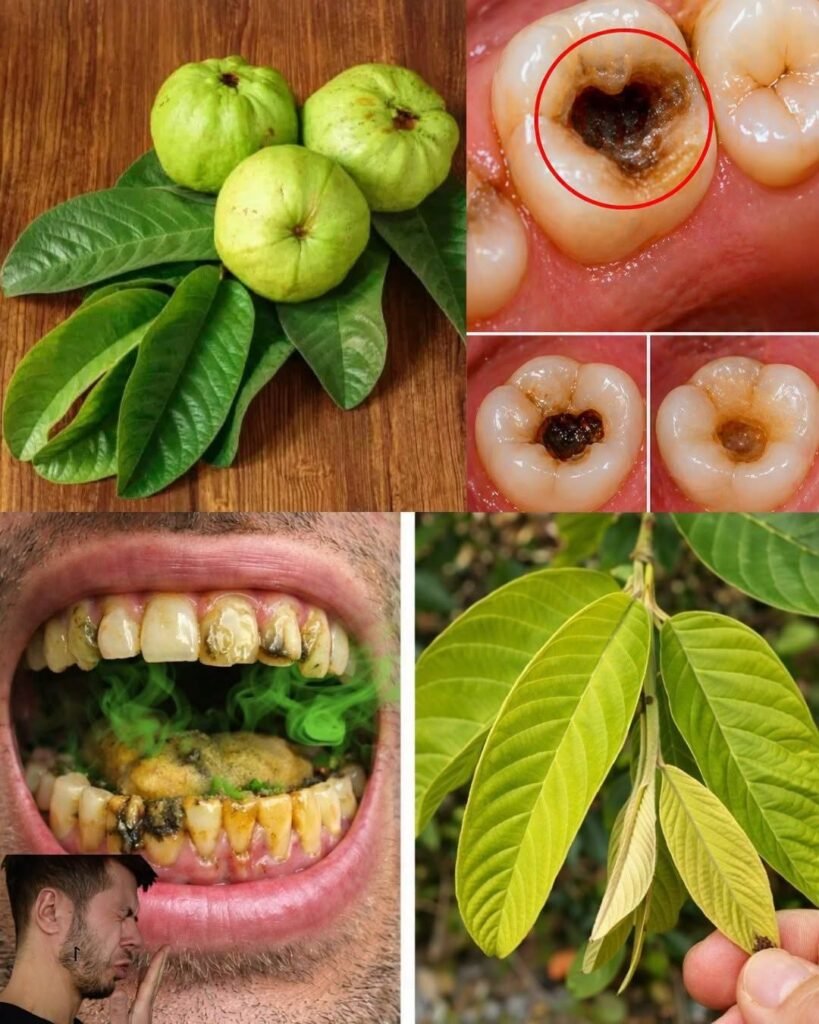
The collage features guava fruit, guava leaves, and images of teeth affected by dental cavities. Guava is a nutritious fruit commonly available in grocery stores and local markets. Tooth decay, however, is a dental condition that requires evaluation and treatment by a licensed dentist. This guide explains typical guava grocery costs, offers budgeting tips for oral healthcare, and discusses how dental insurance, HSAs, FSAs, and preventive care can help manage dental expenses. It is intended for educational and budgeting purposes only.
Cavities and Dental Safety
- Dental cavities are permanently damaged areas of a tooth caused by decay. They cannot be repaired with guava, guava leaves, or any other home remedy. Without professional treatment, cavities may worsen and lead to pain, infection, or tooth loss.
- If you experience tooth pain, visible holes in a tooth, sensitivity to hot or cold, or swelling, schedule an appointment with a licensed dentist promptly. Depending on the severity of the decay, treatment may include a filling, crown, root canal, or other professional dental procedure.
- Many dental insurance plans cover preventive services such as routine exams, X-rays, and cleanings. Some plans also provide partial coverage for restorative treatments, although deductibles, annual maximums, and copayments vary. Certain insurers may also offer telehealth or virtual dental consultations for initial guidance before an in-person visit.
Guava: Grocery Cost and Budget
- Guava is generally considered an affordable fruit, with prices often ranging from $2 to $4 per pound, depending on the season and location. It can be included as part of a balanced grocery budget alongside other fresh fruits and vegetables.
- Although a healthy diet supports overall wellness, eating guava does not prevent or cure dental cavities. Good oral hygiene, regular dental visits, and professional treatment remain the most effective ways to maintain dental health.
- For household budgeting, track grocery spending separately from healthcare expenses. Grocery purchases, including fruit, are generally not eligible HSA expenses, while qualified dental treatments may be eligible if they meet applicable tax rules.
Dental Insurance and Cost Planning
- Comparing dental insurance plans can help you understand expected costs before treatment. Consider monthly premiums, deductibles, annual benefit limits, waiting periods, and coverage percentages for services such as cleanings, fillings, crowns, and root canals.
- If you have access to a Health Savings Account (HSA) or Flexible Spending Account (FSA), qualified dental expenses may be reimbursable under applicable regulations. Many employers also offer dental insurance or wellness benefits as part of their employee compensation packages.
- Maintaining records of dental expenses can support personal budgeting and may be useful for insurance claims or tax documentation when applicable.
Financial and Preventive Care Tips
- Preventive dental care is often less expensive than emergency treatment. Attending regular dental examinations and professional cleanings may help identify problems early and reduce the likelihood of more extensive procedures.
- For long-term healthcare budgeting, a qualified financial advisor can help develop a plan that accounts for routine medical and dental expenses. If you have questions involving dental injuries, insurance disputes, or professional negligence, consult a licensed attorney who practices in the appropriate area of law.
Conclusion
- Guava is an affordable and nutritious fruit that can fit comfortably into many household grocery budgets. However, cavities require professional diagnosis and treatment by a licensed dentist. Home remedies, including guava or guava leaves, cannot repair tooth decay. For questions about dental care, insurance coverage, budgeting, or legal matters, seek guidance from appropriately qualified professionals.
- Disclaimer: This article is provided for educational, grocery budgeting, and insurance information only. It is not dental, medical, legal, financial, or tax advice. If you have tooth pain, gum problems, or other oral health concerns, consult a licensed dentist. For insurance or legal questions, contact a qualified professional.