
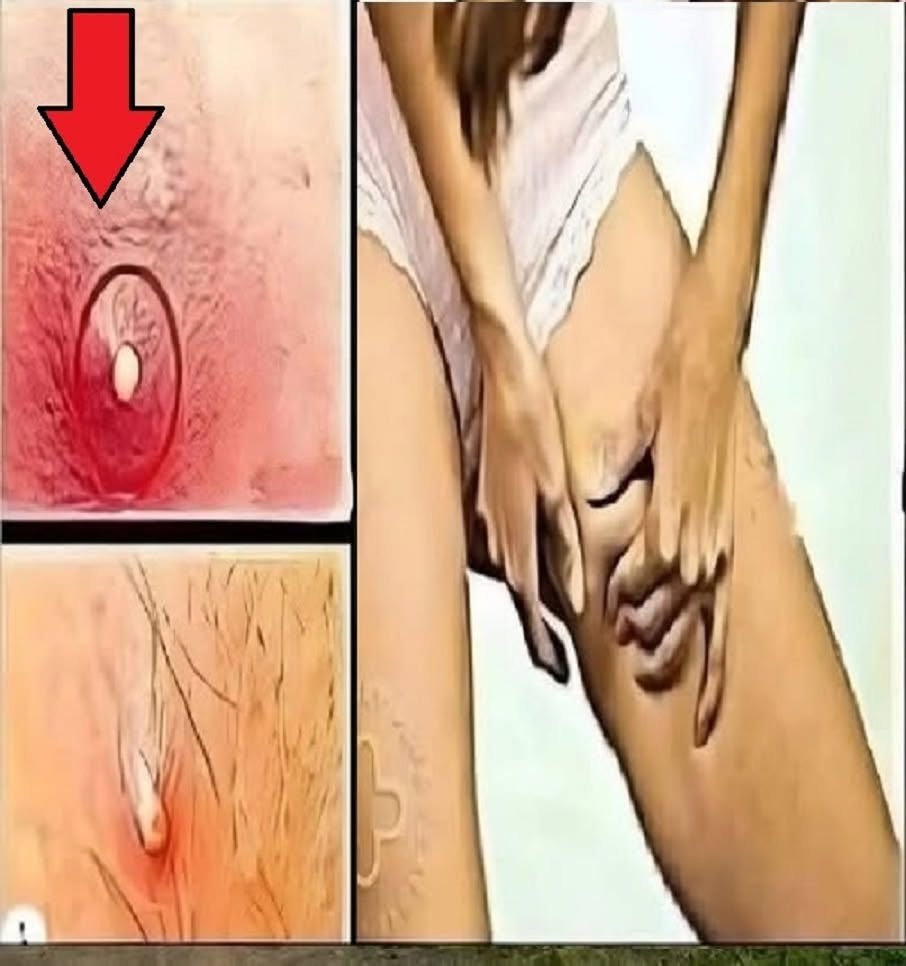
Groin Skin Irritation: Common Causes, Symptoms, Treatment, and Prevention Tips
Groin skin irritation is a common skin concern that can affect both men and women. Because the groin is naturally warm, moist, and exposed to constant friction, it is more susceptible to itching, redness, rashes, and discomfort than many other areas of the body.
In most cases, groin irritation is not serious and improves with proper hygiene, loose-fitting clothing, and appropriate home care. However, persistent symptoms or signs of infection should always be evaluated by a healthcare professional.
Understanding the possible causes can help you choose the right treatment and prevent future flare-ups.
Why Is the Groin Area Prone to Skin Problems?
The groin experiences conditions that make skin irritation more likely, including:
- Frequent sweating
- Skin-to-skin friction
- Tight or non-breathable clothing
- Shaving and hair removal
- Humid weather
- Prolonged exercise
- Sensitivity to soaps, detergents, or skincare products
These factors can weaken the skin’s protective barrier, allowing irritation or infection to develop more easily.
Common Causes of Groin Skin Irritation
1. Ingrown Hair
An ingrown hair develops when a hair curls back into the skin instead of growing outward. This commonly occurs after shaving, waxing, or wearing tight clothing.
Common symptoms include:
- Small red bump
- Mild swelling
- Tenderness
- Itching
- Visible trapped hair
Home care:
- Apply a warm compress for 10–15 minutes.
- Gently exfoliate the area.
- Avoid shaving until the skin heals.
- Do not squeeze or pick at the bump.
2. Folliculitis
Folliculitis is inflammation of the hair follicles, often caused by bacteria, friction, or irritation from shaving.
Symptoms may include:
- Clusters of red bumps
- Pimples around hair follicles
- Mild pain
- Burning sensation
- Itching
Treatment tips:
- Wash the area gently with mild soap.
- Wear loose cotton underwear.
- Avoid shaving while the skin is irritated.
- Follow your healthcare provider’s advice if medication is needed.
3. Jock Itch (Fungal Infection)
Jock itch is a fungal infection that thrives in warm, damp environments. Athletes and people who sweat heavily are particularly susceptible.
Signs of jock itch include:
- Red or brown rash
- Intense itching
- Burning sensation
- Flaking or peeling skin
- Rash spreading along the inner thighs
Management:
- Keep the area dry.
- Change sweaty clothing promptly.
- Use antifungal creams as directed.
- Avoid sharing towels or clothing.
4. Contact Dermatitis
Contact dermatitis occurs when the skin reacts to an irritant or allergen.
Common triggers include:
- Perfumed soaps
- Laundry detergents
- Fabric softeners
- Lotions
- Synthetic fabrics
- Personal hygiene products
Symptoms:
- Redness
- Itching
- Dry skin
- Mild swelling
- Rash
Helpful steps:
- Stop using the suspected product.
- Switch to fragrance-free skincare products.
- Wear breathable cotton clothing.
- Moisturize with products suitable for sensitive skin.
5. Intertrigo
Intertrigo develops where skin folds rub together, especially in hot or humid conditions.
Symptoms include:
- Red inflamed skin
- Burning
- Moist patches
- Skin breakdown
- Unpleasant odor in severe cases
Care recommendations:
- Keep skin folds dry.
- Reduce friction whenever possible.
- Wear moisture-wicking clothing.
- Dry thoroughly after bathing.
Other Possible Causes
Less common causes of groin irritation may include:
- Heat rash
- Eczema
- Psoriasis
- Yeast infections
- Insect bites
- Allergic skin reactions
A healthcare provider can help identify the exact cause if symptoms persist.
Common Symptoms
Although symptoms vary depending on the underlying condition, many people experience:
- Persistent itching
- Redness
- Burning
- Small bumps
- Tenderness
- Dry or flaky skin
- Mild swelling
- Rash
Some infections may also produce blisters, pus, or drainage.
Home Care Tips
Many mild cases improve within several days by following simple self-care measures.
Keep the Area Clean
Wash daily using warm water and a mild, fragrance-free cleanser.
Stay Dry
Dry the groin carefully after bathing, exercising, or swimming.
Wear Breathable Clothing
Choose loose-fitting cotton underwear and avoid tight synthetic fabrics that trap heat and moisture.
Avoid Scratching
Scratching can damage the skin, increase inflammation, and raise the risk of infection.
Pause Hair Removal
If shaving contributed to the irritation, allow the skin to recover before shaving again.
When Should You See a Doctor?
Medical evaluation is recommended if:
- Symptoms last longer than two weeks.
- The rash spreads rapidly.
- Severe pain develops.
- Fever occurs.
- Pus or foul-smelling drainage appears.
- Recurrent groin rashes continue returning.
- Over-the-counter treatments provide no improvement.
Early diagnosis can help prevent complications and ensure appropriate treatment.
Can Groin Skin Irritation Be Prevented?
Many cases can be avoided with healthy daily habits.
Helpful prevention tips include:
- Shower after heavy sweating.
- Change into clean, dry clothing promptly.
- Avoid sharing towels.
- Wear breathable underwear.
- Use clean razors if shaving.
- Maintain a healthy body weight to reduce skin friction.
- Keep the groin area clean and dry.
Final Thoughts
Groin skin irritation is a common condition that is often caused by friction, moisture, shaving, fungal infections, or minor skin irritation. Fortunately, most cases improve with simple home care and healthy hygiene habits.
If symptoms become severe, persist despite treatment, or are accompanied by fever, drainage, or increasing pain, it’s important to seek medical advice. Identifying the underlying cause early can lead to faster relief and help prevent future episodes.
Disclaimer: This article is intended for educational purposes only and should not be considered medical advice. If you have persistent groin irritation, worsening symptoms, or concerns about your skin, consult a qualified healthcare professional for an accurate diagnosis and personalized treatment.