
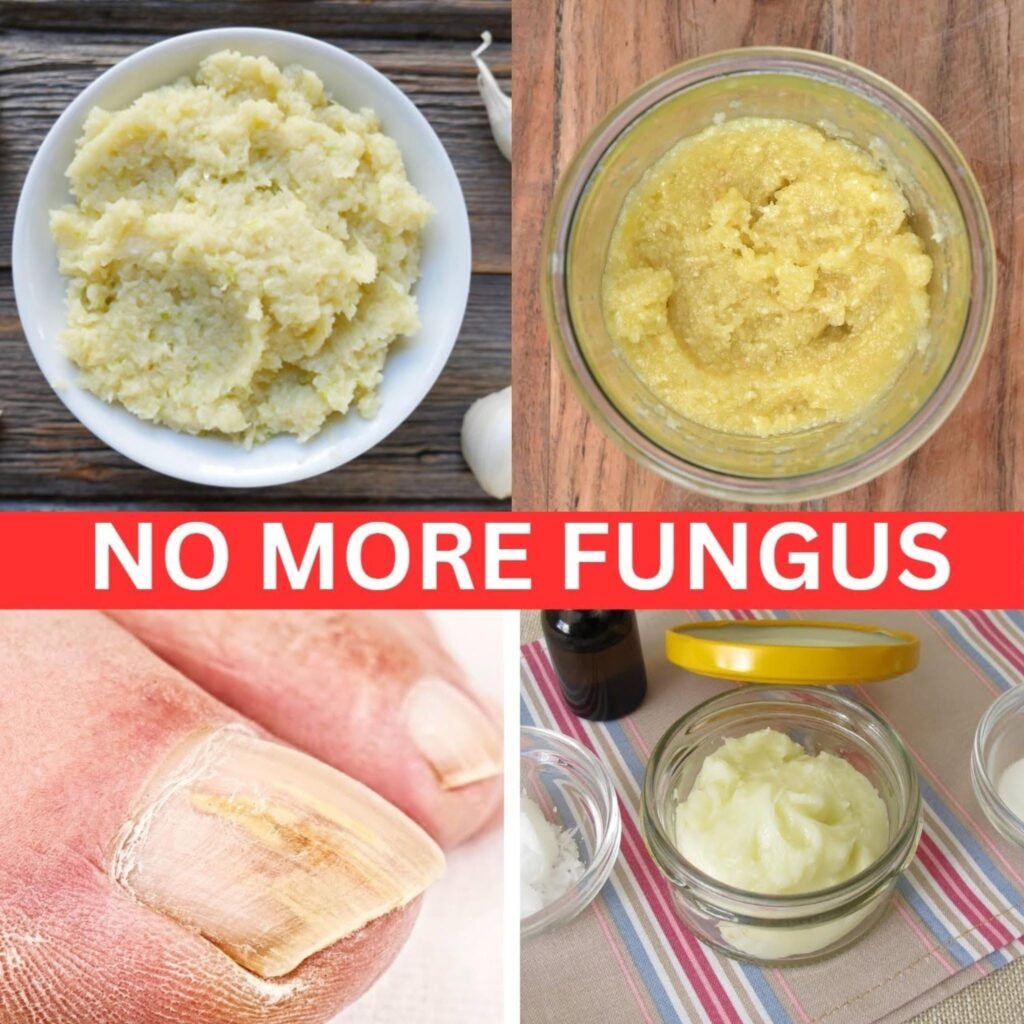
Garlic + Nail Care: What You Should Know
Garlic is a familiar kitchen ingredient with a long history of traditional use in many cultures. Some people apply it to their nails as a home remedy, but it’s important to understand what the evidence does—and does not—show.
1. Why People Talk About Garlic for Nails
Garlic contains natural sulfur compounds, including allicin, which has been studied for its antimicrobial properties in laboratory settings.
In traditional practices, crushed garlic has sometimes been applied to the skin or nails for general cleansing. However, there is not enough high-quality evidence to show that topical garlic is a proven treatment for toenail fungus.
2. Traditional Garlic Paste for Nail Care
If you choose to try this traditional approach, use caution.
Patch test first. Stop immediately if you experience burning, significant redness, or discomfort.
Ingredients
- 2–3 fresh garlic cloves, crushed
- 1 teaspoon coconut oil or olive oil (optional, to help reduce irritation)
How Some People Use It
- Wash and thoroughly dry your feet.
- Mix the crushed garlic with the oil, if using.
- Apply a thin layer to the affected nail and surrounding skin.
- Leave it on for no longer than 10 minutes.
- Rinse thoroughly with water and dry the area completely.
Limit use to 2–3 times per week.
Do not leave garlic on overnight. Prolonged contact can cause skin irritation or even chemical burns.
3. What Actually Helps with Toenail Fungus
Toenail fungus thrives in warm, moist environments. Healthy foot care includes:
- Keeping feet clean and dry
- Changing socks daily, especially after exercise
- Wearing breathable, well-fitting shoes
- Trimming nails regularly and keeping them clean
- Avoiding sharing towels, nail clippers, or footwear
- Using over-the-counter or prescription antifungal treatments when appropriate
- Seeing a healthcare professional if nails become thick, yellow, brittle, or begin to crumble
4. Safety Notes
- Skin irritation: Garlic may cause redness, burning, blistering, or chemical burns.
- Not a proven cure: Garlic should not be considered a treatment that permanently eliminates toenail fungus.
- Diabetes: People with diabetes should consult their healthcare provider before using home remedies on their feet.
- Open wounds: Do not apply garlic to broken or damaged skin.
- Pregnancy and children: Speak with a healthcare professional before trying topical herbal remedies.
5. When to See a Doctor
Seek medical advice if:
- The nail becomes thick, painful, or starts lifting from the nail bed.
- Multiple nails are affected.
- You have diabetes, poor circulation, or a weakened immune system.
- There is no improvement after 2–4 weeks of appropriate over-the-counter antifungal treatment.
- You notice increasing redness, swelling, drainage, or severe pain.
A healthcare professional can determine whether the problem is actually a fungal infection and recommend the most effective treatment, which may include prescription antifungal medication.
Final Thoughts
Garlic paste is a traditional home remedy that some people use as part of their nail care routine. However, it has not been proven to treat or cure toenail fungus. If you suspect a fungal nail infection, professional diagnosis and evidence-based treatment offer the best chance of successful recovery. Home remedies should be viewed, if at all, as a complement—not a replacement—for appropriate medical care.
If you’d like, I can also adapt this into a blog post, YouTube script, or social media carousel.