Foods that help maintain energy in older adults: what you should eat
Foods that help maintain energy in older adults: what you should eat
When an older person starts eating less, gets tired more easily, or feels like “nothing agrees with them anymore,” concern quickly arises. And of course, the internet is full of exaggerated messages promising quick results, but they almost never explain what’s important: which foods truly support a more complete and easily tolerated diet. The good news is that, with simple and consistent choices, you can significantly improve the quality of your daily diet. And at the end, I’ll share a practical list that many overlook, but which makes a big difference.
Why does diet change so much with age?
Over the years, appetite can decrease, chewing becomes more difficult, and the body no longer always responds the same way to heavy or highly seasoned foods. In addition, some people take various medications, which can also affect taste, digestion, or meal timing.
The reality is this: it’s not about “eating more for the sake of eating,” but about eating better. In older adults, every bite counts because the body needs sufficient nutrients in portions that are easy to digest and enjoyable to eat.
The most important thing is not to look for miracle foods, but to build dishes that provide protein, fiber, hydration and energy in a friendly way.
The foods that should be prioritized
Several nutritional studies agree that a varied diet, with sufficient protein, fruits, vegetables, legumes, and healthy fats, helps maintain strength, appetite, and overall well-being. It’s not magic; it’s consistency.
1. Eggs
They’re easy to prepare, soft to chew, and provide good quality protein. You can serve them boiled, scrambled, or in an omelet with mild vegetables.
2. Oats
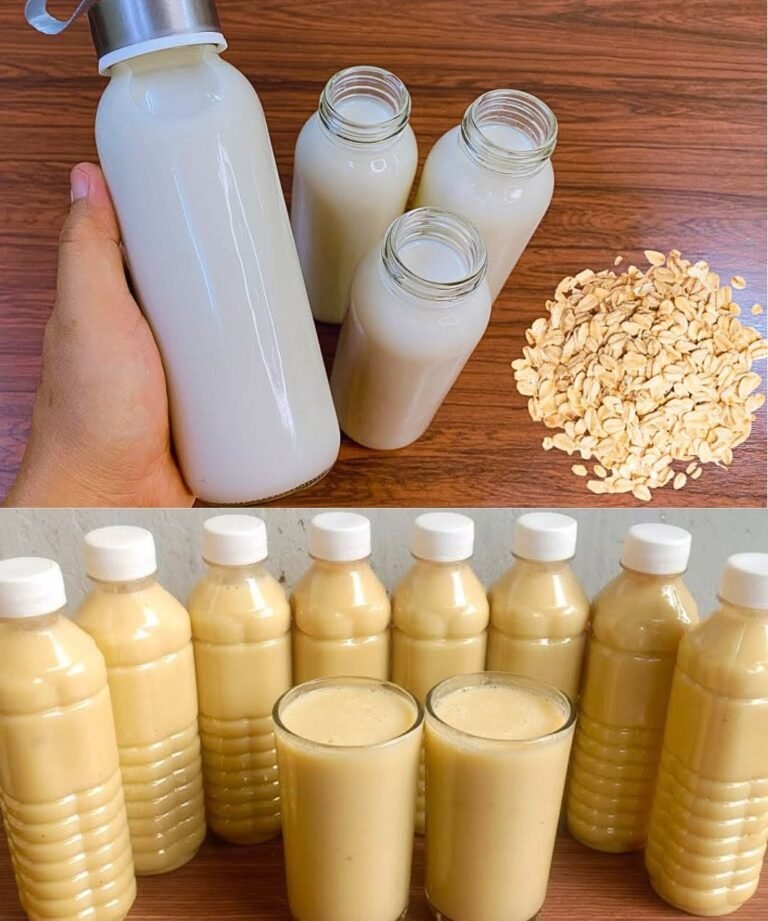
Oatmeal is practical, economical, and comforting. It also provides soluble fiber, which helps to improve digestion. When prepared with milk or fortified beverages, it gains even more nutritional value.
3. Natural yogurt
It’s a useful option when appetite is low. Its texture is usually easy to tolerate and it can be combined with chopped fruit, oats, or ground seeds.
4. Beans and lentils
Legumes are very valuable because they provide plant-based protein, fiber, and minerals. If they cause discomfort, it’s best to start with small portions and cook them thoroughly.
5. Fish
Fish is generally easier to chew than other meats and provides protein, as well as healthy fats in varieties like sardines, salmon, or tuna. Steamed, baked, or flaked, it can be a great addition to your diet.
6. Cooked vegetables
Steamed, boiled, or creamed vegetables are easier to eat than raw vegetables when you have dental or digestive problems. Carrots, zucchini, chayote, and spinach are very versatile options.
7. Soft fruits
Papaya, banana, melon, and cooked apple are generally well-tolerated. They provide vitamins, water, and flavor without putting too much strain on the digestive system.
8. Avocado
It’s a healthy fat that helps provide energy and makes many dishes more appetizing. Plus, its creamy texture is usually easy to eat.
9. Homemade soup or cream
Homemade soups can be a great way to include vegetables, protein, and fluids. Just be careful not to add too much salt.
10. Ground nuts and seeds
In small amounts, they provide healthy fats and energy. If the person has difficulty chewing, it’s best to offer them ground or in a spreadable form, such as unsweetened peanut butter.
A simple comparison to help you choose better
To make it easier to visualize, here’s a quick guide:
More useful when there is little appetite: natural yogurt, egg, vegetable cream, avocado, oats.
Most useful when there is weakness or a need for more protein: egg, fish, beans, lentils, Greek yogurt.
Most useful when there is constipation or slow digestion: oats, papaya, plums, cooked vegetables, well prepared legumes.
Most useful when chewing is difficult: soups, purees, scrambled eggs, flaked fish, soft fruits.
It’s advisable to limit things without going to extremes.
Be very careful with foods that displace nutrients and leave a person with low energy or feeling unwell. This doesn’t mean banning everything, but rather establishing a balance.
- Soft drinks and sugary beverages.
- Sweet bread and desserts are very common.
- Very salty or ultra-processed foods.
- Excessive fried foods and sausages.
- Very large portions at once.
The truth is that these foods can be filling, but they don’t always provide good nutrition. And in older adults, that ends up taking its toll over time.
Signs that your diet needs adjusting
There are very clear clues that shouldn’t be ignored. If you notice one or more of these, it’s worth taking a close look at your diet:
- Unintentional weight loss.
- Frequent tiredness.
- Less interest in eating.
- Difficulty chewing or swallowing.
- Recurrent constipation.
- Foods that “don’t taste the same anymore.”
If this happens, it’s not always a sign of “normal aging.” Sometimes there are underlying causes such as dental problems, medication side effects, depression, or a poor diet. That’s why it’s important to consider the whole picture.
Practical steps you can apply starting today
Now, let’s get down to business. If you care for an elderly person at home, or if you simply want to eat better without any hassle, start with these steps:
1. Eat 3 small meals and 1 or 2 snacks. This is usually better than forcing yourself to eat huge plates of food.
2. Add protein to every meal. This could be eggs, yogurt, beans, shredded chicken, or fish.
3. Cook with gentle textures. If chewing is difficult, choose soft, chopped, ground, or creamed foods.
4. Add color to your plate. A combination of vegetables, fruit, and protein usually improves appetite and variety.
5. Monitor their water intake. Sometimes thirst is mistaken for a lack of appetite. Offer plain water, mild broths, or unsweetened herbal teas.
6. Check the salt and sugar. A very strong flavor can worsen food acceptance in the long run.
7. Make the dish more appealing. Smell, color, and temperature have more influence than you might think.
A small change, repeated every day, usually gives better results than a perfect diet that is impossible to maintain.
And what does the evidence say?
Nutritional research has shown that a diet sufficient in protein and energy, along with good hydration and variety, helps preserve muscle mass and functionality in older adults. Diets higher in fresh foods and lower in ultra-processed foods have also been associated with better overall diet quality.
Health organizations and geriatric guidelines often recommend prioritizing nutrient-dense foods that are easy to chew and tailored to individual needs. In other words: less complication, more quality.
Conclusion
Nutrition for older adults shouldn’t be a battle or a list of forbidden foods. It should be a simple, comforting, and realistic strategy to boost energy, well-being, and overall health. Eggs, oats, yogurt, legumes, fish, cooked vegetables, soft fruits, and healthy fats can make a big difference when chosen and combined well.
If you want to start today, don’t change everything at once: choose two foods from this list and add them to your weekly routine. That’s the key that many overlook: consistency is more valuable than perfection .
Frequently Asked Questions
What foods are easiest for a senior citizen to eat?
The easiest are usually eggs, plain yogurt, oatmeal, homemade soups, soft fruits, and cooked vegetables, because they have a gentle texture and are nutritious.
How many times a day should an older person eat?
It depends on their appetite and general health, but for many people, 3 small meals and 1 or 2 light snacks work best.
What should you do if an older adult no longer wants to eat?
It’s a good idea to check for dental pain, medication use, constipation, sadness, or difficulty swallowing. If the problem persists, it’s best to consult a healthcare professional.
Important note: This content is for informational purposes only and does not replace the assessment or recommendations of a healthcare professional.