Fibroids and cysts: what nobody tells you about swelling and discomfort
Fibroids and cysts: what nobody tells you about swelling and discomfort
Abdominal bloating, a feeling of heaviness, and those discomforts that appear “for no reason” can become part of daily life until they can no longer be ignored. Many women end up normalizing the discomfort, thinking it’s stress, food, or tiredness, when in reality their body is crying out for attention. And the most frustrating thing is that, as the days go by, the discomfort remains, stealing energy, rest, and peace of mind. The good news is that understanding which signs to look for and which habits support your well-being can make a big difference; at the end, I’ll share a detail that many people overlook and that completely changes how this type of discomfort is interpreted.
Why are the symptoms so easily confused?
When we talk about fibroids and cysts, the problem isn’t always the name, but how they feel in real life. Sometimes they appear as pressure in the abdomen, a feeling of bloating, heavier menstrual cycles, or a persistent discomfort that comes and goes. The body doesn’t always “scream”; often its signals are subtle and blend in with the fast pace of daily life.
The truth is, these symptoms can resemble many other common situations. That’s why it’s not unusual for a woman to delay seeking help. But that doesn’t mean you should resign yourself to it. It means it’s wise to observe patterns, note changes, and take seriously what your body is telling you.What are fibroids and cysts, in simple terms
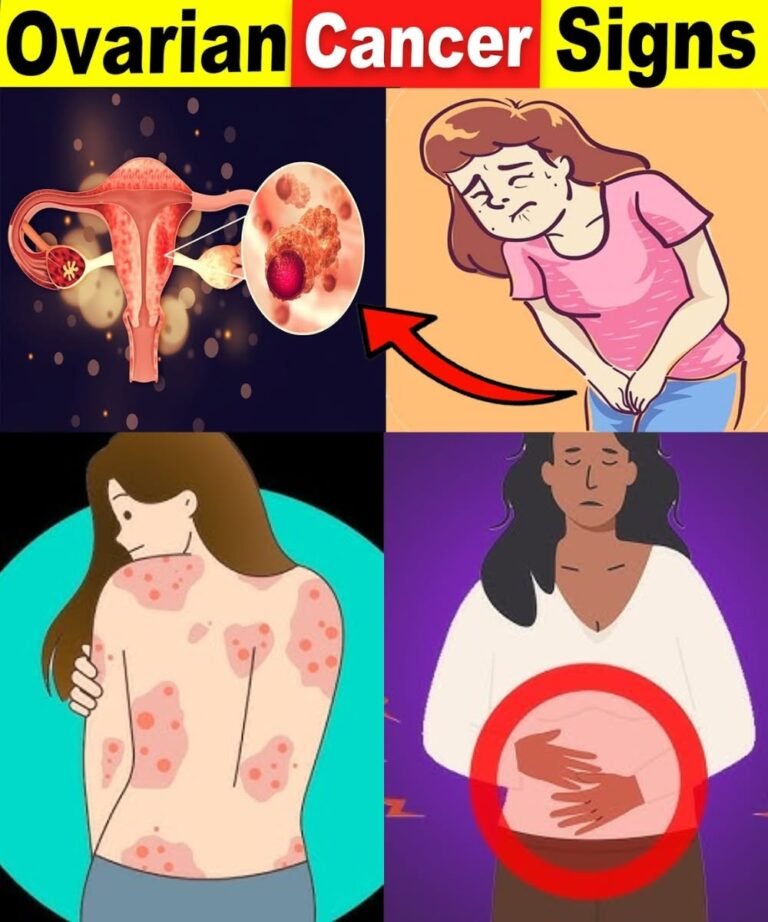
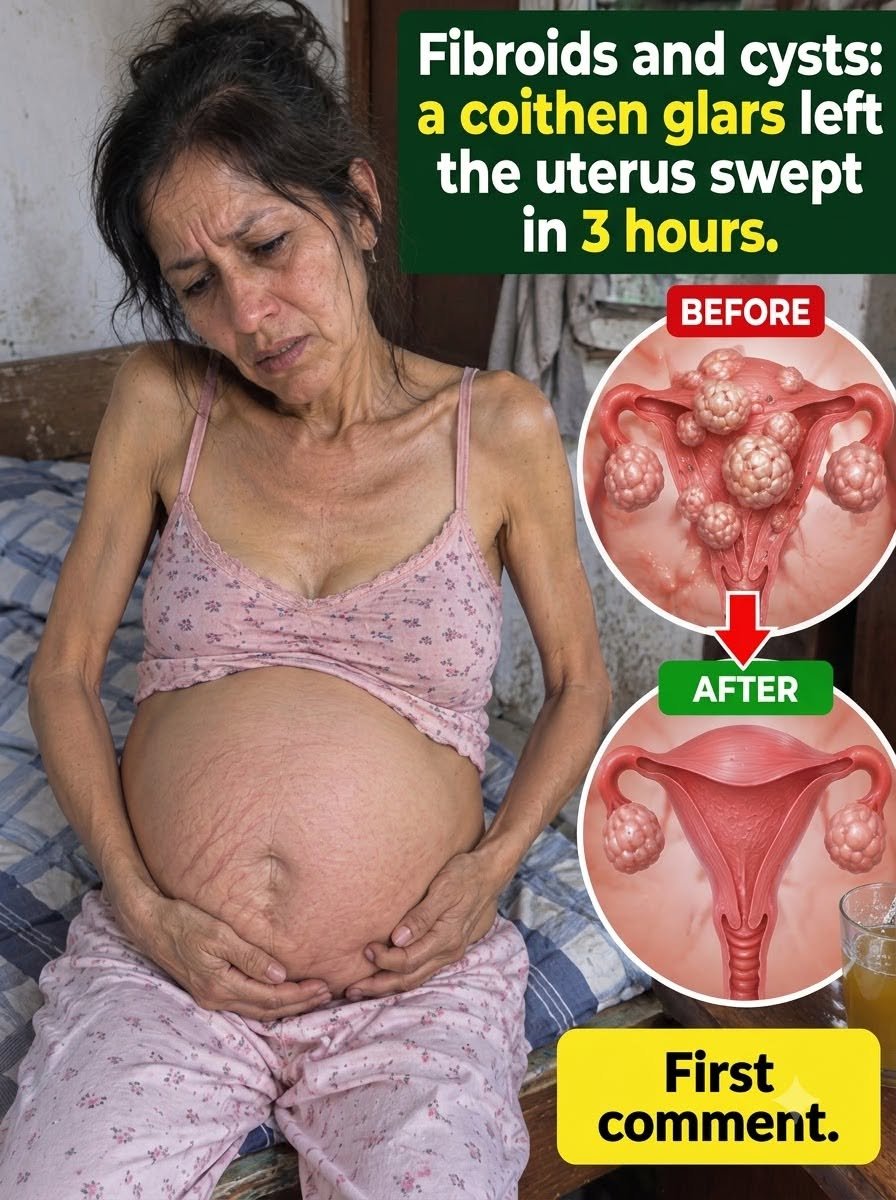
Fibroids are noncancerous growths that form in the muscle of the uterus. They can be small or large, and in some women they cause no discomfort, while in others they cause pressure, heavy bleeding, or a feeling of heaviness. Cysts, on the other hand, are fluid-filled sacs that can appear in various places; when discussing women’s health, they often refer to ovarian cysts.
It’s important not to panic immediately. Having one of these findings doesn’t automatically mean there’s a serious problem. However, it’s worth paying attention to the symptoms and seeking a professional evaluation, because each case is different and requires an individual assessment.
Signs worth observing calmly
Some discomforts are frequently experienced by women with fibroids or cysts, although they are not exclusive to these conditions. Among the most common are:
• Abdominal bloating or a feeling of fullness
• Pressure or heaviness in the lower abdomen
• Heavier or longer periods
• Pelvic pain or intermittent discomfort
• Increased need to urinate
• Feeling full quickly after eating
If these symptoms appear repeatedly, it’s most helpful to note when they occur, how long they last, and whether they are related to your menstrual cycle. This simple record can be very useful during a medical consultation.
What the studies say and why it matters
Several studies on gynecological health show that both fibroids and some cysts can remain asymptomatic for a long time. It has also been observed that many women only seek medical advice when the discomfort is already affecting their daily lives. This reinforces a key idea: listening to your body early is better than waiting until the problem becomes more uncomfortable .
Furthermore, widely recognized medical sources such as the Cleveland Clinic, the Mayo Clinic, and the NHS agree that follow-up depends on the symptoms, the extent of the findings, and the professional assessment. In other words, not everything requires the same response, and not every symptom means the same thing.
Habits that help you feel lighter
While no habit can replace a medical evaluation, there are everyday actions that can support your overall well-being and help you feel more in control of your body. This is where many people are surprised, because small, sustained changes are often more helpful than drastic solutions.
The key is not to do everything perfectly, but to reduce what makes you feel more bloated, more tired, or more disconnected from your body.
Practical options to get started today
1. Keep a record of your symptoms for 2 to 4 weeks.
2. Note if the discomfort changes with your period, meals, or stress.
3. Prioritize lighter, more balanced meals, especially if you notice bloating.
4. Drink plenty of water throughout the day.
5. Move gently: walking for 20 to 30 minutes can help your digestion and reduce your overall feeling of heaviness.
6. Get enough rest, because tiredness intensifies the perception of discomfort.
And here’s an important point: it’s not about “putting up with it.” It’s about observing, adjusting, and seeking support when something changes persistently.
Food and drinks: what you should check
Many women notice that certain foods worsen bloating, especially when they have digestive sensitivities. There’s no one-size-fits-all diet, but it’s worth paying attention to what you find difficult to digest. Sometimes the problem isn’t a single food, but rather a combination of large portions, excess salt, insufficient water, and stress.
A helpful strategy is to reduce your intake of ultra-processed foods, sugary drinks, and heavy meals at night for a few days. Then, see if your bloating changes. This type of self-monitoring provides valuable information without going to extremes.
When is it advisable to seek a medical evaluation?
Seeking professional guidance is especially important if you notice changes that persist or interfere with your daily life. You don’t need to wait until the pain is severe to consult a doctor. In fact, an early checkup often provides greater clarity and peace of mind.
It is advisable to make an appointment if you have:
• Very heavy or prolonged menstrual bleeding
• Pain that recurs over several cycles
• Visibly swollen abdomen for several days
• Discomfort when urinating or defecating
• Marked fatigue along with heavy periods
• Feeling of pressure that does not improve
The medical evaluation may include questions about your symptoms, a physical examination, and, depending on the case, imaging studies. This helps to better understand what’s happening without jumping to conclusions.
The part that many overlook
This is the detail I promised at the beginning: the size of the finding doesn’t always explain the intensity of the symptoms . Some women with small fibroids feel very uncomfortable, while others with larger ones hardly notice any changes. The same can happen with certain cysts. Therefore, the most helpful thing is not to compare your case with someone else’s, but to observe how it affects you.
That completely changes the conversation. Instead of thinking “maybe it’s nothing” or “it’s definitely something serious,” the right question is: Is this affecting my quality of life, and do I need to get it checked out? That perspective is much clearer, more humane, and more helpful.
Actionable tips for this week
If you want to do something concrete starting today, begin with this simple plan:
• For 7 days, rate your bloating level from 1 to 10.
• Record what you ate before you started feeling worse.
• Note whether the discomfort occurs before or during your period.
• Drink water regularly, not just when you’re thirsty.
• Walk around after eating if you feel bloated.
• Schedule an appointment if symptoms recur or worsen.
This approach helps you clear up any doubts and gives you real information to make better decisions. And that, when it comes to health, is invaluable.
Conclusion
Bloating, heaviness, and abdominal discomfort shouldn’t be considered normal if they recur or interfere with your daily life. Fibroids and cysts may be contributing factors, but only a professional evaluation can provide a true understanding of your symptoms. In the meantime, observing patterns, maintaining healthy habits, and seeking help early are simple steps that can bring you greater clarity and peace of mind.
Frequently Asked Questions
Do fibroids always cause symptoms?
No. Some women feel nothing, while others experience pressure, heavy bleeding, or swelling. It all depends on the size, location, and individual body response.
Does an ovarian cyst mean something serious?
Not necessarily. Many cysts are benign and may disappear over time, but if they cause pain, menstrual changes, or persistent discomfort, it’s worth having them checked.
What should I do if my abdomen feels bloated almost every day?
Keep track of your symptoms, check if they are related to your cycle or food, and consult a professional if the discomfort is frequent or worsens.
Disclaimer: This article is for informational purposes only and is not a substitute for evaluation, diagnosis, or treatment by a healthcare professional.