
Eye Health and Vision Insurance 2026: Ophthalmology, Optometry, and Preventive Care
1. Health Insurance, Medicare, and Vision Insurance for Ophthalmology and Optometry
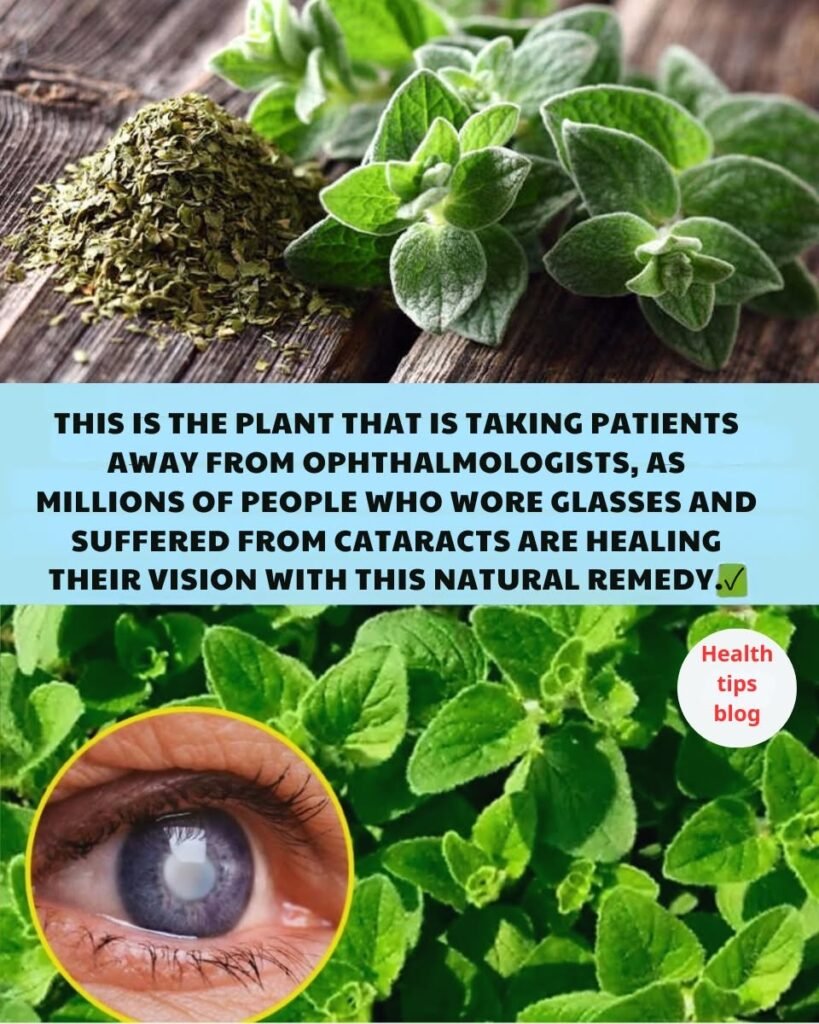
Oregano is a common culinary herb used in cooking. Claims that it can heal cataracts or replace glasses are not supported by medical evidence. Eye conditions like cataracts, glaucoma, and refractive errors require evaluation and treatment by a licensed ophthalmologist or optometrist. Most health insurance, Medicare, and standalone vision insurance plans cover routine eye exams, prescription eyewear benefits, and medically necessary eye care in 2026.
2. Ophthalmology, Optometry, and Evidence-Based Eye Care
Vision health depends on genetics, age, nutrition, UV exposure, and medical care. The nutraceutical market includes antioxidant-rich foods, but herbs like oregano are not treatments for cataracts or vision loss. Evidence-based eye care includes comprehensive eye exams, prescribed corrective lenses, medical or surgical treatment when indicated, and UV protection. If you have blurry vision, cataract symptoms, or eye pain, see a board-certified ophthalmologist promptly.
3. Medical Costs, FSA/HSA Accounts, and Financial Planning
Preventive eye care can reduce long-term medical costs. Many health insurance and Medicare Advantage plans cover annual eye exams and screenings, while vision insurance often covers exams and eyewear allowances. FSA and HSA accounts can be used for eligible eye exams, prescription glasses, contact lenses, and medically necessary treatments. Financial planning for health includes reviewing your health and vision insurance benefits and comparing top health insurance quotes.
4. Preventive Healthcare, Wellness Programs, and Safe Eye Habits
Employer health insurance and Medicare wellness programs often include eye health education and screenings. Evidence-based habits include regular comprehensive eye exams, wearing UV-protective sunglasses, managing chronic conditions like diabetes, a balanced diet with leafy greens, and avoiding smoking. Culinary herbs can be part of a varied diet, but they do not replace professional eye care. Pairing healthy habits with routine exams is the safest approach.
5. Final Thoughts on Medical Advice, Insurance, and Eye Health
If you have vision changes, cataract concerns, or eye discomfort, contact a licensed ophthalmologist or optometrist right away. Do not delay professional care or replace medical treatment with herbal remedies. Use your health insurance, Medicare, or vision insurance benefits for evaluation and care. This information is for general awareness only and is not medical advice. Professional eye care plus preventive wellness supports long-term vision health.