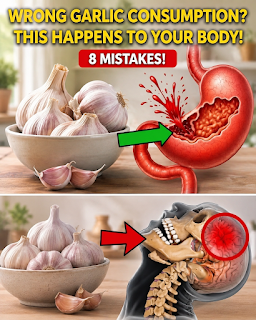
Eat Garlic Every Day? Avoid These 8 Common Mistakes to Get the Most Benefits
Eat Garlic Every Day? Avoid These 8 Common Mistakes to Get the Most Benefits
One of garlic’s most interesting natural compounds is allicin, which forms when fresh garlic is crushed or chopped. However, the way you prepare and consume garlic can influence both its taste and the amount of beneficial compounds it provides.
If garlic is already part of your daily routine, avoiding a few simple mistakes may help you enjoy its flavor while making the most of its nutritional value.
Why Garlic Is Good for Your Body
Garlic contains sulfur compounds, antioxidants, vitamins, and minerals that contribute to its nutritional value. Studies suggest that including garlic as part of a balanced diet may help support:
- ❤️ Heart health
- 🩸 Healthy blood pressure (alongside a healthy lifestyle)
- 🛡️ Normal immune function
- ✨ Antioxidant defenses
- 💚 Healthy cholesterol levels
While garlic is a nutritious food, it is not a medicine and should be viewed as one healthy component of an overall balanced lifestyle.
1. Eating Raw Garlic on an Empty Stomach
Many people believe eating raw garlic first thing in the morning provides extra health benefits.
However, raw garlic can be irritating for some individuals, especially those with sensitive stomachs. It may contribute to:
- Heartburn
- Nausea
- Stomach discomfort
- Indigestion
A Better Approach
If raw garlic causes digestive discomfort, try enjoying it as part of a meal instead of eating it on an empty stomach.
2. Eating Too Much Garlic
When it comes to garlic, more isn’t always better.
Large amounts may increase the likelihood of:
- Bloating
- Gas
- Heartburn
- Strong breath
- Body odor
For most healthy adults, 1–2 fresh garlic cloves per day is generally considered a moderate amount, although individual tolerance varies.
3. Cooking Garlic Over Very High Heat
Garlic’s valuable compound allicin is sensitive to heat.
Cooking garlic for long periods at very high temperatures may reduce the amount of allicin that develops.
Better Cooking Tips
- Cook over low to medium heat.
- Add garlic toward the end of cooking whenever possible.
- Avoid burning garlic, as it becomes bitter and loses some desirable qualities.
4. Cooking Garlic Immediately After Chopping
This is one of the most overlooked garlic preparation tips.
When garlic is chopped or crushed, enzymes begin converting compounds into allicin.
If garlic goes directly into a hot pan, less allicin may have time to form.
The Better Method
After chopping or crushing garlic, let it rest for about 10 minutes before cooking.
This simple step gives the natural reaction more time to occur.
5. Swallowing Whole Garlic Cloves
Some people swallow whole garlic cloves like supplements.
The problem?
Whole cloves are not broken down enough to activate much of the allicin.
Instead:
- Crush it
- Mince it
- Chop it finely
- Chew thoroughly
Breaking the garlic’s cell walls is what starts the allicin-forming process.
6. Ignoring Possible Medication Interactions
Garlic has mild natural blood-thinning properties.
If you take medications such as:
- Warfarin
- Apixaban
- Rivaroxaban
- Clopidogrel
- Aspirin (in some situations)
—or if you have an upcoming surgery—talk with your healthcare provider before significantly increasing garlic intake or using garlic supplements.
7. Storing Garlic Incorrectly
Fresh garlic stays at its best when stored properly.
Avoid keeping whole garlic bulbs:
- In the refrigerator
- Inside sealed plastic bags
- In damp environments
Store Garlic In:
- A cool place
- A dry location
- Good airflow
- Away from direct sunlight
Fresh garlic typically has:
- Firm cloves
- Tight, dry skin
- No soft or moldy spots
8. Expecting Garlic to Cure Diseases
Garlic is nutritious—but it is not a miracle cure.
Current scientific evidence does not support garlic alone as a treatment to:
- Cure infections
- Eliminate high cholesterol
- Prevent heart attacks
- Cure cancer
- Replace prescription medications
Long-term health is supported by consistent healthy habits, including:
- Plenty of fruits and vegetables
- Whole grains
- Lean protein
- Regular physical activity
- Quality sleep
- Not smoking
Garlic is simply one nutritious ingredient within a healthy lifestyle.
Simple Tips to Get the Most from Garlic
To maximize both flavor and nutrition:
✔ Crush or chop garlic instead of swallowing whole cloves.
✔ Let chopped garlic rest for about 10 minutes before cooking.
✔ Add garlic near the end of cooking whenever practical.
✔ Eat garlic with meals if it upsets your stomach.
✔ Choose fresh garlic whenever possible.
✔ Store whole bulbs in a cool, dry, well-ventilated place.
Frequently Asked Questions
Is raw garlic healthier than cooked garlic?
Raw garlic contains more heat-sensitive compounds such as allicin. However, cooked garlic still provides valuable nutrients and antioxidants, making both forms beneficial depending on your taste preferences and digestive comfort.
How much garlic should I eat each day?
For most healthy adults, 1–2 fresh cloves daily can fit well within a balanced diet. Larger amounts may cause digestive discomfort for some people.
Can garlic help support healthy blood pressure?
Some research suggests garlic may modestly support healthy blood pressure in certain individuals as part of an overall healthy lifestyle. However, it should never replace prescribed medications or professional medical advice.
Final Thoughts
Garlic is a flavorful, nutrient-rich food that can be a valuable addition to a heart-friendly eating pattern. Small preparation habits—such as chopping garlic before use, allowing it to rest briefly, avoiding excessive heat, and consuming it in moderation—may help preserve some of its beneficial natural compounds while reducing digestive discomfort.
Rather than viewing garlic as a cure-all, think of it as one healthy choice among many that contribute to long-term wellness.
Medical Disclaimer
This article is intended for educational purposes only and is not intended to diagnose, treat, cure, or prevent any disease. If you have a medical condition, take blood-thinning medications, are pregnant, or are preparing for surgery, consult your healthcare provider before making significant changes to your garlic intake or using garlic supplements.