Easy Home Remedies for Skin Tags and Plantar Warts: What Actually Works?
Easy Home Remedies for Skin Tags and Plantar Warts: What Actually Works?
Skin tags and plantar warts are common skin problems that can cause discomfort, irritation, or embarrassment. Although they are usually harmless, many people look for simple ways to remove them at home.
You may have come across remedies involving tea tree oil, apple cider vinegar, garlic, or banana peels. But do these ingredients actually work? And are they safe to apply directly to your skin?
The truth is that some home treatments can help manage certain warts, but many popular natural remedies have little scientific evidence behind them. Some can even cause burns, irritation, or infection.
In this article, we explain the differences between skin tags and plantar warts, discuss safer treatment options, and highlight which home remedies you should approach with caution.
1. Understanding Skin Tags and Plantar Warts
Before trying any treatment, it is important to understand what you are dealing with.
What Are Skin Tags?
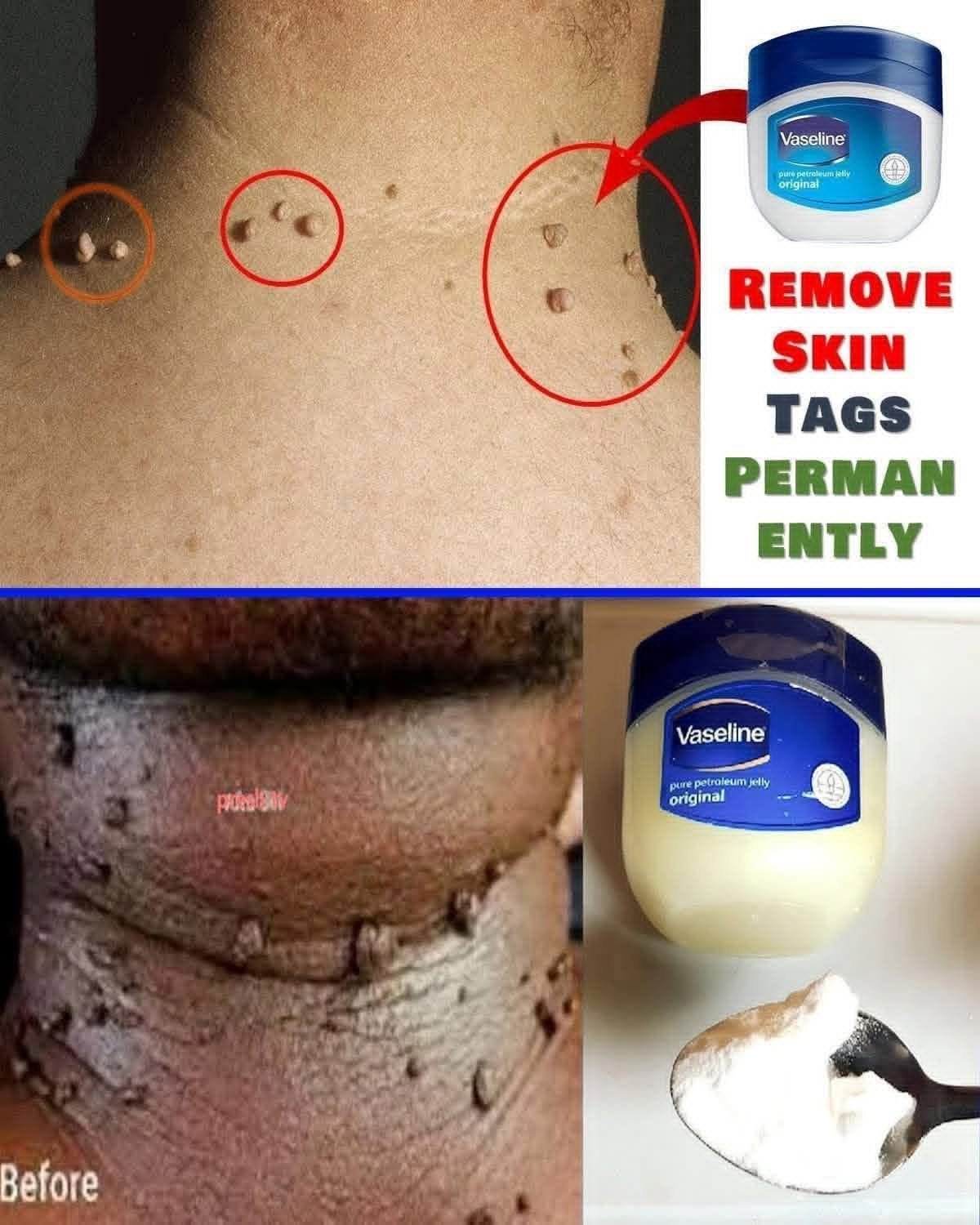
Skin tags are small, soft, usually harmless growths that hang from the skin. They commonly appear in areas where skin rubs against skin or clothing, including:
- The neck
- Underarms
- Eyelids
- Groin area
- Under the breasts
Skin tags are generally painless, although they can become irritated if rubbed by jewellery, clothing, or shaving.
They are not contagious and are not caused by a virus. However, a new or changing skin growth should be examined if you are unsure whether it is actually a skin tag.
What Are Plantar Warts?
Plantar warts are rough growths that develop on the soles of the feet, particularly around the heels and balls of the feet.
They are caused by certain types of human papillomavirus (HPV), which infect the outer layer of skin.
Common signs include:
- A small, rough or thickened area of skin
- Tiny black dots within the wart
- Discomfort or pain when walking
- A growth that may look like a callus
Unlike skin tags, plantar warts are contagious and can spread through direct contact or contaminated surfaces, particularly in communal changing rooms and swimming pool areas.
2. Home Remedies for Skin Tags and Plantar Warts
Several natural remedies are promoted online for removing skin tags and warts. However, it is important to distinguish traditional suggestions from treatments supported by medical evidence.
Tea Tree Oil
Tea tree oil is an essential oil known for its antimicrobial properties. It is sometimes promoted as a natural treatment for skin tags and plantar warts.
How it is commonly used:
Some people dilute tea tree oil with a carrier oil and apply it to the affected area.
What does the evidence say?
There is insufficient reliable clinical evidence that tea tree oil safely removes skin tags or plantar warts. It can also cause allergic reactions and skin irritation.
Avoid applying concentrated tea tree oil to sensitive skin, broken skin, or areas around the eyes and genitals.
Apple Cider Vinegar
Apple cider vinegar is frequently recommended in online home-remedy guides because it contains acetic acid.
Why people use it:
The acidity is believed to break down unwanted skin tissue.
Is it effective?
There is no strong clinical evidence that apple cider vinegar safely removes skin tags or plantar warts.
Applying it directly to the skin, especially under a bandage overnight, can cause irritation, chemical burns, and permanent scarring.
It is therefore not recommended as a home removal method.
Garlic
Garlic contains compounds such as allicin, which have been studied for their antimicrobial properties.
Some traditional remedies suggest crushing garlic and applying it directly to a wart.
What should you know?
Laboratory findings about garlic’s antimicrobial activity do not prove that applying raw garlic to a wart will eliminate HPV.
Raw garlic can cause significant skin irritation and even chemical burns, particularly when covered with a bandage.
For this reason, avoid applying crushed garlic directly to skin tags or warts.
Banana Peel
Banana peels contain plant compounds and small amounts of naturally occurring acids.
Some people place the inside of a banana peel against a wart overnight, believing it may soften the affected skin.
However, there is no convincing scientific evidence that banana peels remove plantar warts or skin tags.
You can enjoy bananas as part of a healthy diet, but their peels should not be considered a proven skin treatment.
3. Safer Home Treatments for Plantar Warts
If you have a confirmed plantar wart, there are treatments with better scientific support than most natural remedies.
Salicylic Acid
Salicylic acid is a commonly recommended over-the-counter treatment for ordinary and plantar warts.
It works by gradually breaking down the thickened layers of skin covering the wart.
How to use it:
- Soak the affected foot in warm water for approximately 5–10 minutes.
- Dry the area thoroughly.
- Apply an appropriate wart treatment containing salicylic acid according to its packaging instructions.
- Protect the surrounding healthy skin if directed by the product instructions.
- Repeat as instructed, often daily, over several weeks.
Do not cut or aggressively scrape the wart. Stop treatment if you develop significant pain, bleeding, or severe irritation.
Important: People with diabetes, poor circulation, reduced sensation in their feet, or weakened immune systems should seek medical advice before treating foot warts themselves.
Professional Cryotherapy
Cryotherapy involves freezing a wart using liquid nitrogen.
A healthcare professional applies the treatment to destroy affected tissue. Several sessions may be needed, depending on the size and location of the wart.
It can cause temporary pain, blistering, and changes in skin colour.
4. Safe Ways to Remove Skin Tags
Unlike plantar warts, skin tags are not caused by a virus and generally do not require treatment unless they become irritated or bothersome.
If removal is desired, a dermatologist or qualified healthcare professional may recommend one of the following methods:
Cryotherapy: The skin tag is frozen using a controlled medical treatment.
Snip removal: A healthcare professional removes the skin tag using sterile medical instruments.
Electrocautery: Heat is used to remove the growth and control bleeding.
These procedures are generally quick, although the appropriate method depends on the size and location of the skin tag.
Avoid cutting, tying off, burning, or applying acidic substances to skin tags yourself. These approaches can cause bleeding, infection, burns, and scarring.
5. How to Prevent Plantar Warts from Spreading
Because plantar warts are caused by a virus, taking a few precautions can help reduce the risk of spreading them.
- Wear flip-flops or protective footwear in communal showers and changing rooms.
- Avoid sharing socks, shoes, or towels.
- Keep your feet clean and dry.
- Avoid picking, scratching, or cutting warts.
- Do not use the same foot file or pumice stone on healthy skin.
- Cover the wart when swimming or using communal facilities.
These habits can help reduce transmission, although they cannot guarantee that warts will not spread.
6. When Should You See a Doctor?
Not every skin growth is a skin tag or wart. Some other skin conditions can look similar, so getting the correct diagnosis is important.
Seek medical advice if:
- A growth changes colour, shape, or size.
- It bleeds without an obvious reason.
- It becomes painful, swollen, or infected.
- You are unsure whether it is a skin tag or wart.
- A plantar wart makes walking difficult.
- Home treatment has not helped after several weeks.
- You have diabetes, poor circulation, or a weakened immune system.
Never attempt to remove an unusual or unidentified skin growth at home.
Frequently Asked Questions
Can skin tags disappear naturally?
Skin tags generally do not disappear on their own. Some may become twisted and fall off, but deliberately cutting or tying them off is not recommended.
Can plantar warts go away without treatment?
Yes. Many plantar warts eventually disappear as the immune system clears the infection. However, this can take months or even years, and some warts may spread or become painful.
Does apple cider vinegar remove skin tags overnight?
There is no reliable scientific evidence supporting this claim. Apple cider vinegar can cause chemical burns and scarring, so it should not be used to remove skin tags.
Are plantar warts contagious?
Yes. Plantar warts are caused by certain types of HPV and can spread through direct contact or contaminated surfaces.
What is the most effective home treatment for plantar warts?
Salicylic acid is one of the best-supported over-the-counter treatments. It requires consistent use over several weeks and is not suitable for everyone, particularly people with certain foot-health conditions.
Final Thoughts
Skin tags and plantar warts may look similar at first, but they have different causes and require different approaches.
Although tea tree oil, apple cider vinegar, garlic, and banana peels are often promoted as natural solutions, there is not enough reliable evidence to recommend them for removing these growths. Some may even damage healthy skin.
For plantar warts, salicylic acid can be a useful evidence-based home treatment when used correctly. For skin tags, professional removal is generally the safest option if treatment is desired.
The most important thing is to identify the growth correctly and avoid aggressive home remedies that could cause unnecessary harm.
Disclaimer: This article is for general educational purposes only and does not replace professional medical advice, diagnosis, or treatment. Consult a qualified healthcare professional before treating an unidentified skin growth, particularly if you have diabetes, poor circulation, or a weakened immune system.