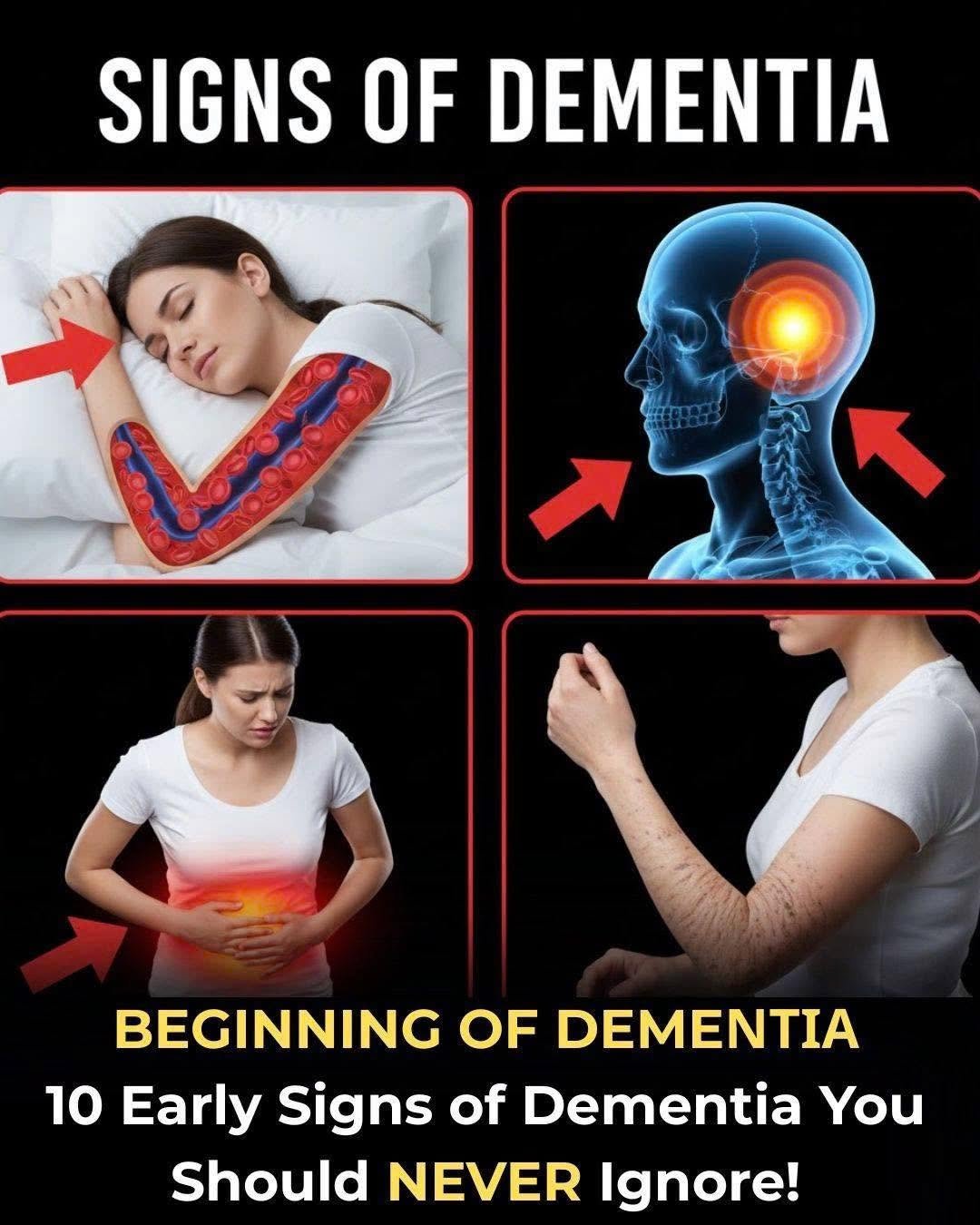
Early Signs of Dementia: Symptoms, Risk Factors, and When to Seek Medical Help
Early Signs of Dementia: Symptoms, Risk Factors, and When to Seek Medical Help
Understanding Dementia and Why Early Awareness Matters
Dementia is a general term used to describe a group of symptoms that affect memory, thinking, reasoning, and everyday abilities. It is not a normal part of aging, although the risk of developing dementia increases as people grow older.
Recognizing possible early signs does not mean assuming someone has dementia. Many health conditions can cause similar symptoms, including vitamin deficiencies, thyroid problems, depression, medication effects, and sleep disorders. However, noticing ongoing changes early can help people receive proper evaluation, support, and care.
Early awareness allows families and individuals to make informed decisions, improve safety, and maintain quality of life.
10 Early Warning Signs of Dementia
1. Memory Loss That Affects Daily Activities
One of the most common early signs is difficulty remembering recently learned information.
Examples include:
- Repeating the same questions frequently
- Forgetting important appointments or events
- Struggling to remember conversations
- Relying heavily on notes or reminders for things previously managed easily
Occasionally forgetting names or misplacing items can happen to anyone. The concern is when memory problems regularly interfere with daily life.
2. Difficulty Planning or Solving Problems
Some people experience changes in their ability to organize tasks or make decisions.
Possible examples include:
- Trouble managing monthly bills
- Difficulty following familiar recipes
- Taking much longer to complete routine tasks
- Struggling to follow steps in a familiar activity
These changes may become noticeable when tasks that were once easy begin to feel confusing.
3. Problems Completing Familiar Tasks
Dementia can affect the ability to complete everyday activities.
A person may have difficulty with:
- Driving to a familiar location
- Remembering the rules of a favorite game
- Organizing household routines
- Using familiar appliances
A change from previous abilities is often more important than the occasional mistake.
4. Confusion About Time or Place
Another possible warning sign is losing track of time or surroundings.
Examples include:
- Forgetting the day, month, or season
- Becoming confused about where they are
- Forgetting how they arrived somewhere
- Getting lost in familiar areas
Persistent confusion should be discussed with a healthcare professional.
5. Changes in Vision and Spatial Awareness
Some individuals experience difficulties with judging distances, recognizing objects, or understanding visual information.
Signs may include:
- Frequently bumping into objects
- Trouble reading or judging spaces
- Difficulty recognizing contrast or colors
These symptoms can also be related to eyesight problems, so medical evaluation is important.
6. Difficulty Finding Words or Following Conversations
Language changes may appear in early stages.
Possible signs include:
- Losing track of conversations
- Repeating phrases
- Struggling to find common words
- Calling objects by incorrect names
Everyone occasionally searches for a word, but frequent communication difficulties may require attention.
7. Misplacing Items and Losing the Ability to Retrace Steps
A person may begin placing objects in unusual locations.
Examples:
- Putting keys in unexpected places
- Frequently losing important items
- Accusing others of taking misplaced belongings
- Being unable to remember previous actions
8. Poor Judgment or Changes in Decision-Making
Changes in judgment can affect daily choices.
Examples include:
- Unusual spending decisions
- Ignoring personal hygiene
- Wearing unsuitable clothing for the weather
- Making choices that are out of character
9. Withdrawal From Social Activities
Some people gradually lose interest in activities they previously enjoyed.
Possible reasons include:
- Difficulty keeping up with conversations
- Feeling embarrassed about memory problems
- Losing confidence in familiar activities
Withdrawal may appear as avoiding hobbies, friends, or work responsibilities.
10. Changes in Mood, Personality, or Behavior
Dementia can sometimes affect emotions and personality.
Possible changes include:
- Increased anxiety or fear
- Unusual suspicion
- Irritability
- Depression
- Loss of interest or motivation
Sudden or severe personality changes should always be evaluated.
When Should You Talk to a Doctor?
Consider seeking medical advice if:
- Symptoms continue for several weeks or months
- Daily activities become harder to manage
- Safety concerns appear, such as getting lost or forgetting appliances
- A noticeable change occurs compared with previous behavior
A healthcare professional may perform memory tests, review medical history, check medications, and recommend blood tests or imaging if needed.
A diagnosis cannot be made from one symptom alone. A complete evaluation helps identify the true cause.
Conditions That Can Look Like Dementia
Not all memory or thinking problems are caused by dementia.
Similar symptoms may occur because of:
- Vitamin deficiencies
- Thyroid disorders
- Depression
- Anxiety
- Medication side effects
- Poor sleep
- Stress
- Certain infections
Some causes may improve with proper treatment.
Supporting Brain Health Through Healthy Habits
Although there is no guaranteed way to prevent dementia, research suggests several habits may support long-term brain health.
Stay Physically Active
Regular movement supports overall health and may benefit brain function.
Maintain Heart Health
Managing blood pressure, cholesterol, and blood sugar can support brain health.
Eat a Balanced Diet
A diet rich in vegetables, fruits, whole grains, nuts, and healthy fats is associated with better overall health.
Stay Socially Connected
Relationships, conversations, and meaningful activities help keep the brain engaged.
Get Quality Sleep
Consistent, restful sleep supports memory and overall well-being.
Keep Learning
Reading, learning new skills, playing music, or solving puzzles can help maintain cognitive activity.
Final Thoughts
Memory changes can feel worrying, especially when noticed in someone close. However, awareness does not have to create fear. Understanding possible signs of dementia allows people to seek guidance, explore treatment options, and plan for the future with greater confidence.
A single forgotten word or misplaced item does not mean dementia. What matters most is a pattern of ongoing changes that affects everyday life.
If you or someone you care about has concerns about memory, thinking, or behavior, speaking with a qualified healthcare professional is an important step toward understanding what is happening and finding the right support.