
Early Cancer Awareness 2026: Health Insurance, Preventive Screenings, and When to See an Oncologist
1. Why Health Insurance and Preventive Cancer Screenings Matter
Cancer treatment costs are among the highest in healthcare. That’s why most PPO, HMO, and Medicare plans now emphasize preventive cancer screenings as a covered benefit.
Early detection often leads to more treatment options and lower long-term medical costs. Annual wellness visits, mammograms, colonoscopies, skin checks, and blood work are common preventive services covered under the Affordable Care Act and many Medicare Advantage plans.
If you have a family history or risk factors, talk to your primary care physician or oncologist about a personalized screening schedule and check what your health insurance covers.
2. Common Symptoms to Discuss With a Medical Professional
Many symptoms can have multiple causes and are not specific to cancer. However, medical organizations recommend contacting a healthcare provider if you notice persistent changes.
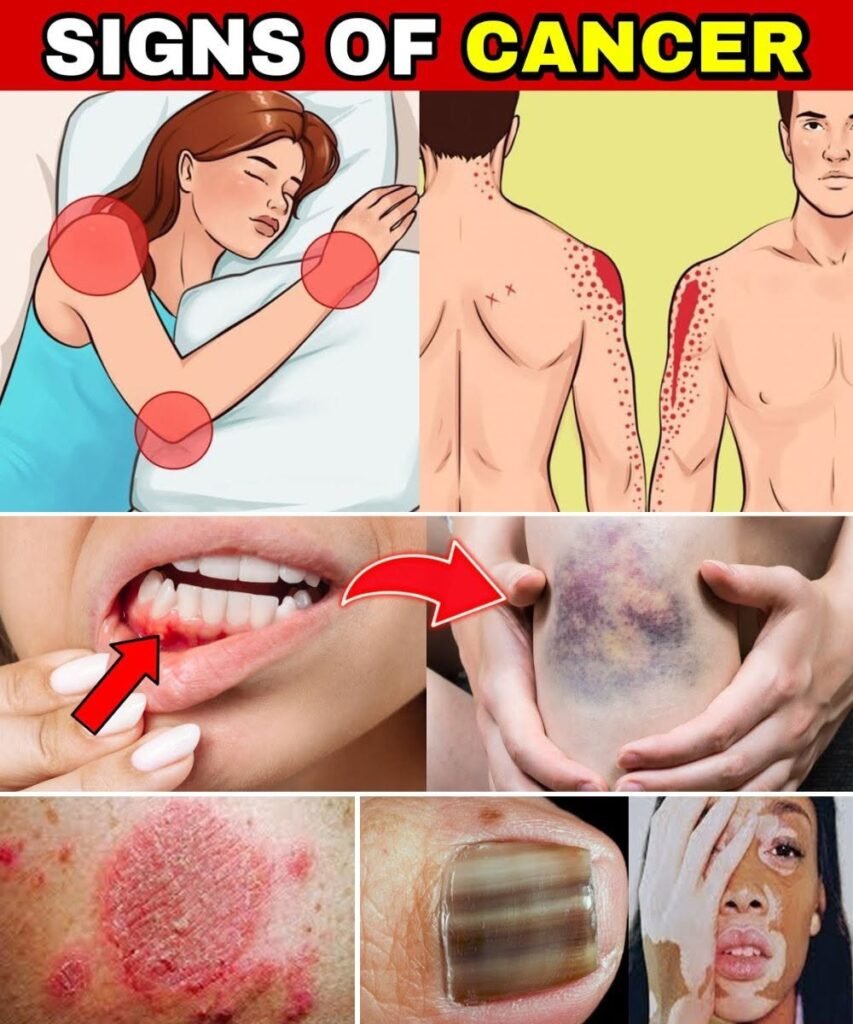
These can include unexplained fatigue, changes in skin or nails, unusual bruising, bleeding gums, persistent skin rashes, or changes in skin pigmentation. Joint or limb pain, persistent cough, or changes in bathroom habits should also be evaluated.
Because symptoms overlap with many non-cancer conditions, only a licensed medical professional can determine the cause through exams, lab work, or imaging. Never self-diagnose based on online images.
3. Top Oncology Care, Treatment Plans, and Financial Planning Options
If screening or diagnostic tests show a concern, an oncologist will recommend a treatment plan. Options may include surgery, chemotherapy, radiation, immunotherapy, or targeted therapy depending on the cancer type and stage.
Cancer care often involves multiple specialists, which is why comprehensive health insurance or Medicare coverage is critical. Many patients also use FSA or HSA accounts for out-of-pocket costs, and some qualify for financial assistance programs through hospitals or nonprofits.
Early financial planning for medical costs can reduce stress during treatment.
4. Preventive Healthcare, Wellness Programs, and Risk Reduction
While no lifestyle change can guarantee cancer prevention, preventive healthcare plays a major role.
The American Cancer Society and CDC recommend no smoking, limited alcohol, sun protection, a high-fiber diet, regular exercise, and routine vaccinations like HPV.
Many employer health insurance plans and Medicare wellness programs reimburse gym memberships, nutrition counseling, and smoking cessation support.
These preventive benefits lower overall cancer risk and reduce future medical claims, which is why insurers invest in them.
5. Final Thoughts on Medical Insurance, Early Detection, and Doctor Guidance
If you notice any persistent or unusual symptom, schedule an appointment with a qualified healthcare provider right away. Bring up any concerns, family history, or changes you’ve observed.
Ask your health insurance or Medicare plan about coverage for screenings, specialist referrals, and diagnostic testing. Early detection combined with the right medical insurance and financial planning gives you the best path forward.
This information is for general awareness only and is not a substitute for professional medical advice.