Do Skin Dots Mean Cancer? Understanding Viral Health Claims and Cabbage Leaf Remedies
Do Skin Dots Mean Cancer? Understanding Viral Health Claims and Cabbage Leaf Remedies
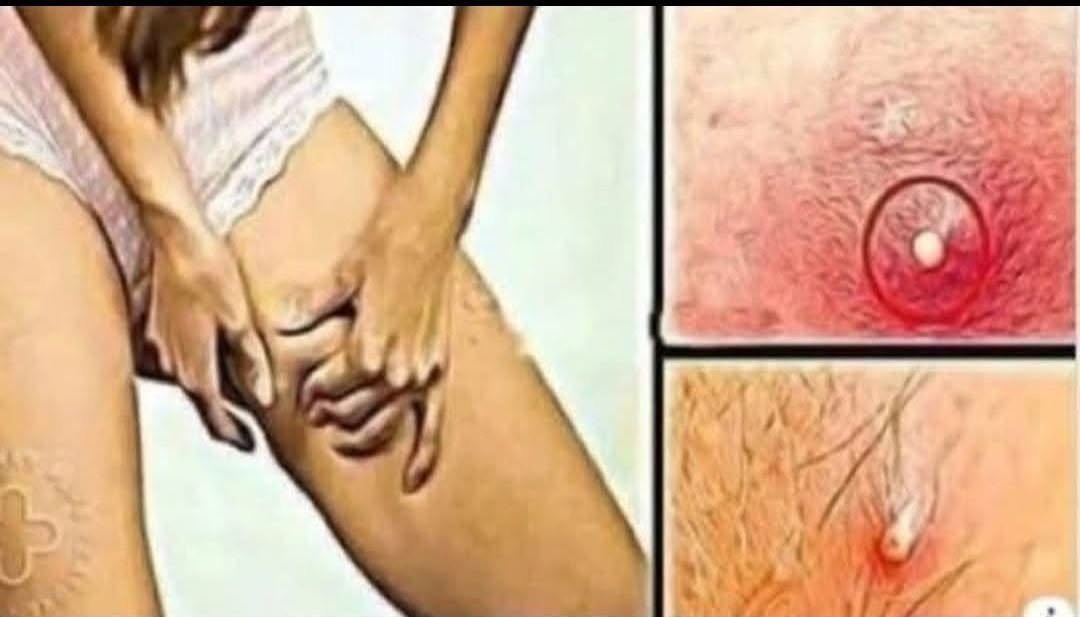
Health-related posts often spread quickly online with alarming messages such as: “If you spot these dots on your skin, it means you have cancer.” While unusual skin changes should always be taken seriously, not every spot, mark, or dot is a sign of cancer.
The truth is more complicated. Many skin changes are harmless, while others may need medical evaluation. Understanding what to look for can help you make informed decisions without unnecessary fear.
Do Skin Dots Always Mean Cancer?
No. Small dots, spots, or changes on the skin can happen for many reasons, including:
- Normal skin variations
- Sun exposure
- Aging
- Insect bites
- Minor injuries
- Allergic reactions
- Benign moles or growths
However, some skin changes can be warning signs of skin cancer and should be checked by a healthcare professional.
Skin Changes That Deserve Attention
Experts often recommend checking moles and skin marks using the ABCDE method:
A — Asymmetry
One half of the spot looks different from the other half.
B — Border
Edges are uneven, irregular, or poorly defined.
C — Color
The spot contains multiple colors or changes color over time.
D — Diameter
The spot is larger than about 6 millimeters or continues growing.
E — Evolving
Any change in size, shape, color, texture, itching, or bleeding should be evaluated.
A new or changing skin mark does not automatically mean cancer, but it is worth discussing with a healthcare professional.
Cabbage Leaf Therapy for Leg Pain and Varicose Veins
Another common viral image shows cabbage leaves wrapped around the legs or feet, suggesting that cabbage can treat varicose veins, joint pain, or swelling.
Cabbage has been used in traditional remedies for generations, and some people report temporary comfort after applying chilled cabbage leaves to painful or swollen areas.
Why Might Cabbage Leaves Feel Helpful?
Cabbage leaves may provide:
- A cooling sensation on the skin
- Temporary relief from swelling or discomfort
- A soothing effect similar to a cold compress
Cabbage also contains plant compounds with anti-inflammatory properties, although applying cabbage leaves externally has not been proven to reverse varicose veins or repair damaged veins.
Can Cabbage Leaves Cure Varicose Veins?
No.
Varicose veins occur when veins become enlarged and blood flow is affected. Cabbage leaves cannot:
- Repair damaged vein valves
- Remove enlarged veins
- Improve circulation permanently
- Replace medical treatments
For mild discomfort, some people may find cabbage leaf compresses soothing, but they should be considered a comfort measure rather than a cure.
Ways to Support Leg Health
For people with leg swelling or varicose vein discomfort, helpful habits may include:
- Regular walking and physical activity
- Avoiding long periods of standing or sitting
- Elevating the legs when resting
- Maintaining a healthy weight
- Wearing compression stockings when recommended by a healthcare professional
When to Seek Medical Advice
Consult a healthcare professional if you notice:
- Sudden swelling in one leg
- Severe leg pain
- Skin ulcers near the ankles
- Rapidly changing skin spots
- A mole that bleeds, grows, or changes appearance
- Persistent symptoms that do not improve
Final Thoughts
Viral health posts often use fear to attract attention, but a skin dot does not automatically mean cancer, and cabbage leaves are not a proven treatment for varicose veins.
The best approach is balance: pay attention to unusual changes, avoid panic, and seek professional advice when something looks or feels concerning. Natural remedies may provide temporary comfort, but they should not replace proper medical evaluation and treatment.