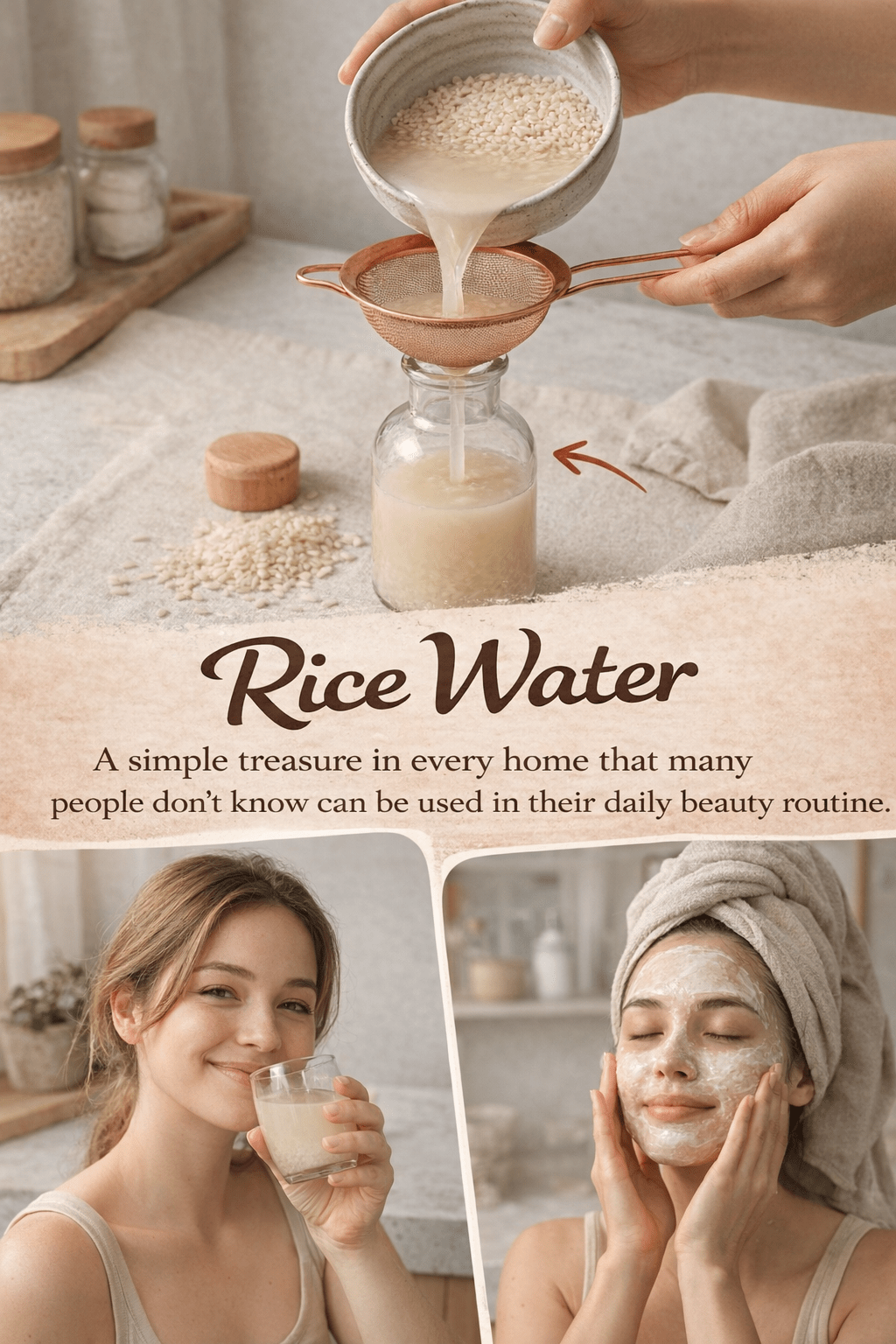
Discover the Simple Way to Add Rice Water to Your Daily Skincare Routine
Many people struggle with dry, dull skin that feels tight after cleansing or irritated from daily environmental stress. Over time, this can lead to a lackluster complexion and make it harder to maintain that fresh, comfortable feel throughout the day. The good news is that a humble kitchen staple you likely already have can offer a gentle, natural addition to your routine. Rice water, the starchy liquid left after rinsing or soaking rice, has been part of traditional beauty practices for generations and is now gaining attention in modern skincare discussions.
But here’s the intriguing part: while it’s easy to prepare at home, most people miss out on the best ways to incorporate it effectively and safely. Keep reading to uncover step-by-step guidance on making and using rice water, along with insights from research on why it might support healthier-looking skin.
What Exactly Is Rice Water?
Rice water is the cloudy liquid that remains after soaking, rinsing, or boiling rice. It contains starches, vitamins, minerals, and small amounts of antioxidants released from the grains. In traditional Asian beauty rituals, women have long used it for hair and skin, and today it’s popular in DIY routines worldwide.
Research suggests rice-derived ingredients, including those in rice water, may offer supportive properties for skin health. For example, studies have explored how components like ferulic acid and other phenolics contribute to antioxidant activity.
But that’s not all—let’s look closer at why this simple liquid appeals to so many.

Potential Benefits of Rice Water for Skin
While individual results vary and more large-scale research is needed, several studies point to promising areas where rice water or its components may help support skin appearance and comfort.
- Hydration Support — Some research indicates that rice starch can aid in maintaining skin moisture. A study on rice starch in bath water showed improvements in skin barrier recovery for irritated skin.
- Soothing Irritated Skin — Rice water has been noted for its gentle nature. One older study found that rice starch baths helped improve barrier function in people with atopic dermatitis, leading to better skin comfort.
- Antioxidant Properties — Fermented rice water, in particular, shows antioxidant effects comparable to vitamin C in lab tests. This may help protect skin from everyday oxidative stress.
- Appearance of Smoother Texture — Limited studies suggest rice water might reduce elastase activity, an enzyme linked to skin elasticity changes over time, potentially supporting a firmer look.
- Gentle Brightening Effect — Traditional use and some in vitro research point to mild effects on skin tone uniformity, though evidence is preliminary.
These insights come from sources like published reviews in dermatology journals and small clinical observations. Keep in mind that rice water is not a replacement for proven skincare products but can complement a balanced routine.
Here’s a quick comparison of preparation methods and their potential differences:
- Plain Soaked Rice Water — Quick to make, retains basic starches for gentle hydration.
- Fermented Rice Water — Allows natural fermentation, which may boost antioxidant levels according to some lab studies.
- Boiled Rice Water — Concentrated, often richer in released compounds but needs careful cooling.

How to Make Rice Water at Home: Step-by-Step Guide
Making rice water is straightforward and uses ingredients most households have. Choose organic rice if possible to minimize residues.
Method 1: Simple Soaking (Quick Version)
- Take ½ cup of uncooked rice (white or brown works).
- Rinse it under cool water 2–3 times to remove dust.
- Place the rice in a bowl and add 2–3 cups of clean water.
- Stir and let it soak for 30 minutes.
- Strain the liquid into a clean jar—this is your rice water.
- Store in the fridge for up to 3–4 days.
Method 2: Fermented Version (For Enhanced Properties)
Follow the soaking steps above, but leave the strained water at room temperature for 1–2 days until it develops a slightly sour smell (sign of fermentation). Refrigerate immediately after. Use within a week.
Method 3: Boiled Version
Cook rice as usual but use extra water. Strain the excess starchy water after cooking and let it cool.
Pro tip: Always do a patch test on your inner arm first to check for sensitivity.
How to Incorporate Rice Water into Your Daily Routine
Here are practical, easy ways to use it safely:
- As a Facial Toner — After cleansing, apply with a cotton pad or clean hands. Let it air dry for a refreshing feel.
- In a Face Mask — Mix with honey or yogurt for a soothing mask. Apply for 10–15 minutes, then rinse.
- Hair Rinse — Pour over hair after shampooing for shine and softness. Many report smoother strands.
- Bath Soak — Add a cup to bathwater for all-over skin comfort, especially if skin feels dry.
Use 2–3 times per week to start, and observe how your skin responds. Consistency matters more than frequency.
But wait—there’s one key tip many overlook that can make a big difference in results…
Important Safety Tips and Considerations
Rice water is generally mild, but not everyone’s skin reacts the same. If you have very sensitive skin or conditions like eczema, consult a dermatologist before regular use. Avoid if you notice redness or itching.
It can ferment quickly in warm climates, so refrigeration is essential to prevent bacterial growth. Discard if it smells off or changes color.
Conclusion: A Simple Addition Worth Exploring
Rice water offers an accessible, low-cost way to add a nurturing element to your skincare habits. From supporting hydration to providing gentle care, its traditional roots and emerging research make it intriguing for anyone seeking natural options. Try incorporating it mindfully and see how it fits into your routine.
FAQ
How long does homemade rice water last? Store it in the refrigerator for 3–7 days, depending on the method. Fermented versions may last shorter—check for any off odors.
Can I use rice water every day? Start with 2–3 times per week. Daily use is fine for many, but monitor your skin for any changes.
Is fermented rice water better than plain? Some studies suggest fermentation increases antioxidant compounds, but both versions can be beneficial. Choose based on your preference and time.
Disclaimer: The information in this article is for educational purposes only and not intended as medical advice. Rice water is a traditional remedy with some supportive research, but results vary. Consult a healthcare professional or dermatologist before making changes to your skincare routine, especially if you have skin concerns or conditions. This is not meant to diagnose, treat, or prevent any health issue.