
Discover the Hidden Uses of Papaya Sap for Natural Support in Your Daily Digestion Routine
Many people struggle with occasional digestive discomfort after meals, feeling bloated or sluggish despite trying various remedies. This nagging issue can disrupt daily life, making it hard to enjoy food or stay productive without constant worry. But what if a simple tropical fruit element could offer gentle, natural assistance? In this article, we’ll dive into papaya sap’s traditional roles, but stick around to uncover a surprising way it ties into everyday wellness that might change how you approach gut health.
What Is Papaya Sap and Where Does It Come From?
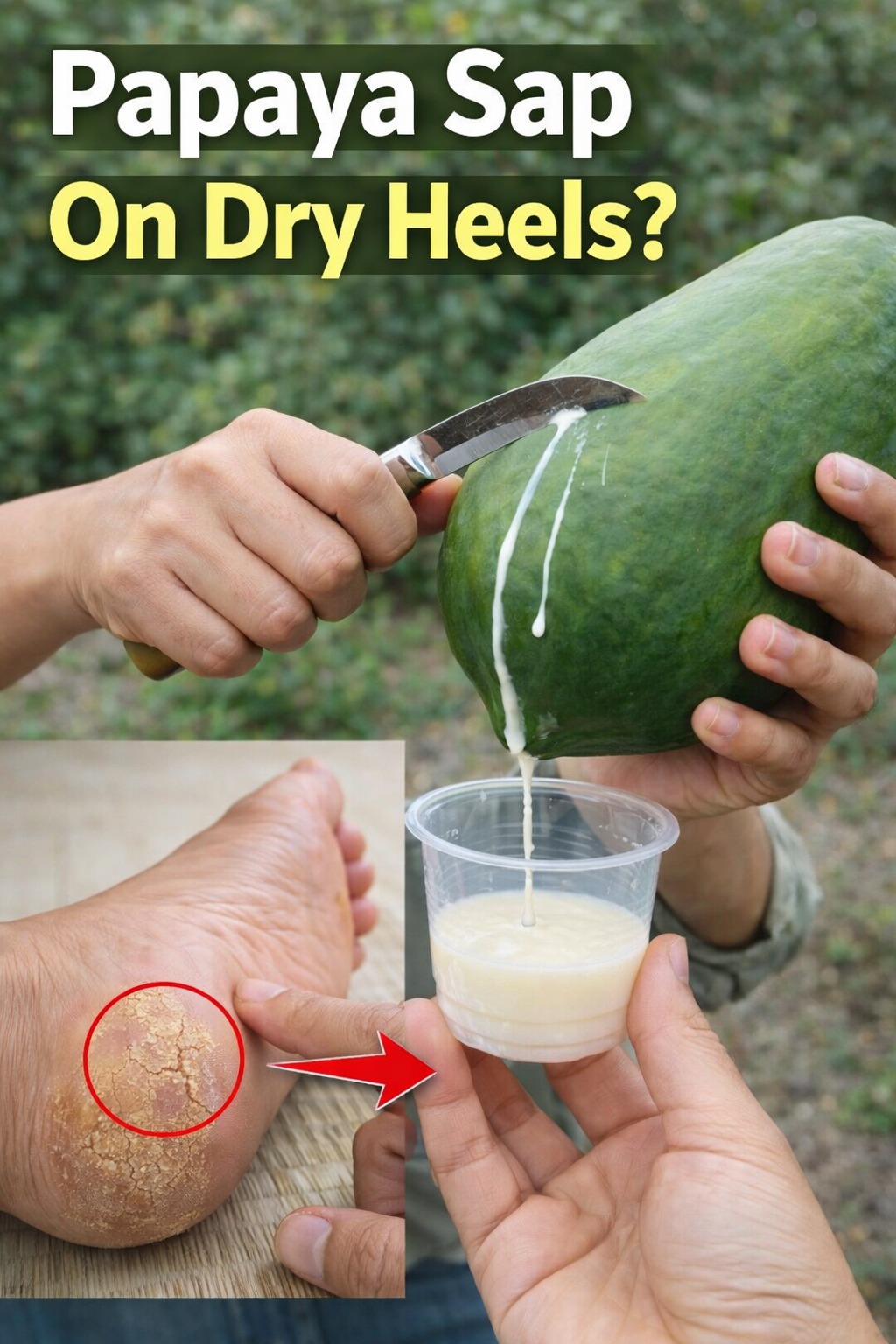
Papaya sap, often called papaya latex, is the milky white fluid that flows from unripe or semi-ripe papaya fruits when cut. This sap is rich in natural compounds, including enzymes that have caught attention in traditional practices.
But that’s not all. The key player here is papain, an enzyme known for its protein-digesting properties. Found in the sap, fruit, and leaves, papain has been used for generations in various cultures.
Research from sources like the National Institutes of Health suggests enzymes like papain may play a role in food breakdown. However, it’s always wise to approach such insights with balance.
This sap isn’t just a byproduct—it’s been valued in places like Southeast Asia and Latin America for its potential in daily routines.
How Papaya Sap May Contribute to Digestive Wellness
Papaya sap’s enzyme content has sparked interest in its possible support for digestion. Let’s break it down.
First off, papain helps in breaking down proteins. This can make heavy meals feel lighter on the system.
Studies, such as those published in the Journal of Medicinal Food, indicate that papaya enzymes might aid in protein digestion. Yet, results vary among individuals.
Here’s the interesting part: Traditional uses extend to overall gut comfort. People have incorporated it into diets for smoother experiences.
But wait, there’s more. Combined with the fruit’s fiber, it could promote regularity without harsh effects.
The Broader Benefits of Papaya for Gut Health
Beyond the sap, the whole papaya fruit offers a wealth of nutrients. Ripe papaya is loaded with dietary fiber, which supports bowel movements.
Antioxidants in papaya, like vitamin C and beta-carotene, may help maintain a healthy gut environment. According to Harvard Health, fiber-rich foods are key for digestive balance.
This isn’t just about one part— the synergy between sap, fruit, and leaves creates a natural toolkit.
Skeptical? Preliminary research from PubMed echoes traditional claims, showing potential in reducing occasional bloating.
And get this: Incorporating papaya regularly might enhance nutrient absorption, thanks to its enzymatic action.
Safe Ways to Incorporate Papaya Sap into Your Routine
Curious about trying it? Start with caution, as raw sap can be strong.
Here’s a step-by-step guide to using it naturally:
Select the right papaya: Choose semi-ripe fruits to access the sap safely. Wash thoroughly before handling.
Extract carefully: Score the skin lightly and collect a small amount of sap. Use gloves to avoid skin irritation.
Mix with food: Dilute a tiny bit in smoothies or marinades. This tempers its potency.
Monitor your response: Begin with minimal amounts and observe how your body reacts over a few days.
Remember, this is for informational purposes. Consult professionals for personalized advice.
But that’s just the start. For easier options, turn to ripe fruit or teas.
Traditional Recipes and Modern Twists with Papaya
Cultures worldwide have recipes featuring papaya for digestion. In India, papaya leaf tea is brewed for gut support.
To make it: Boil fresh leaves in water for 10 minutes, strain, and sip warm.
Modern twists include papaya enzyme chews, available over-the-counter.
A comparison table of methods:
Method Ease of Use Potential Benefits Precautions
Raw Sap Moderate Direct enzyme exposure Possible irritation
Ripe Fruit Easy Fiber and vitamins None major
Leaf Tea Simple Gentle infusion Check for allergies
Supplements Convenient Standardized dose Consult doctor
This variety keeps things engaging. Which one appeals to you?
Potential Drawbacks and Who Should Be Cautious
Not everyone should dive in. Those with latex allergies might react to papaya sap.
Pregnant individuals or those with certain conditions should seek advice first.
The truth is, while promising, it’s not a one-size-fits-all. Listen to your body.
Studies from the World Health Organization note papaya’s safety in moderation, but excess can cause issues.
This highlights the importance of balance in natural approaches.
Why Building Habits Around Papaya Can Enhance Daily Life
Imagine starting your day with a papaya smoothie—fresh, vibrant, and supportive.
Consistency is key. Aim for 1-2 servings weekly to notice subtle shifts.
But here’s the exciting bit: Pair it with hydration and movement for amplified effects.
Research in Nutrition Reviews supports fruit-based habits for long-term wellness.
This isn’t overnight magic—it’s sustainable support.
Actionable Tips to Get Started Today
Ready to explore? Follow these practical steps:
Shop smart: Pick organic papayas from local markets for freshness.
Prepare simply: Slice ripe papaya and enjoy as a snack post-meal.
Experiment safely: Try a small sap marinade on veggies once a week.
Track progress: Note how you feel in a journal to adjust as needed.
Combine wisely: Add to yogurt or salads for variety.
These tips are straightforward and empowering.
But don’t stop there. Integrate with other fruits for a balanced diet.
Wrapping It Up: Embracing Papaya’s Natural Potential
Papaya sap and the fruit itself offer intriguing ways to support daily digestion through traditional and natural means. From enzymes to fiber, it’s a versatile option worth considering in your routine.
By starting small and staying informed, you can discover what works for you. Remember, small changes often lead to lasting comfort.
And that surprising tie-in? It turns out papaya’s sap isn’t just for digestion—it’s also a nod to nature’s clever design in tropical ecosystems, reminding us of holistic wellness.
Frequently Asked Questions (FAQ)
What is the best way to consume papaya for digestion?
Eating ripe papaya fresh or in smoothies provides fiber and enzymes naturally. Start with one serving daily and adjust based on your needs.
Can papaya sap be used every day?
It’s best used sparingly due to its strength. Opt for diluted forms or consult a healthcare provider for regular use.
Are there any studies on papaya sap’s effects?
Yes, research like that in the International Journal of Molecular Sciences explores papain’s role in protein breakdown, though more studies are needed for specific sap applications.
As with any natural approach, this information is for educational purposes only. Always consult a healthcare professional before making changes to your diet or trying new remedies, especially if you have underlying health conditions.