Detox Your Liver and Restore Your Shape in Just 2 Weeks: A Simple 14-Day Health Plan
Detox Your Liver and Restore Your Shape in Just 2 Weeks: A Simple 14-Day Health Plan
Do you often feel bloated, tired or uncomfortable after meals? Are you trying to improve your eating habits, support your liver health and feel more confident in your body?
Your liver is one of the hardest-working organs in your body. It helps process nutrients, break down harmful substances, regulate metabolism and produce bile, which helps digest fats.
The good news is that you can support your liver and overall health by making simple changes to your daily routine. Choosing nutritious foods, drinking enough water, staying physically active and limiting alcohol can make a meaningful difference.
Although no special drink or diet can detoxify your liver in just 14 days, two weeks is enough time to start building healthier habits that may help you feel better and improve your overall wellbeing.
Let’s explore how to support your liver naturally and follow a simple 14-day plan.
1. Start Your Morning with a Glass of Water
After waking up, drink a glass of plain water to rehydrate your body.
Water supports normal digestion, circulation and kidney function. Although it does not flush toxins directly from your liver, staying hydrated is an important part of maintaining good health.
How to do it:
- Drink a glass of water after waking up.
- Continue drinking water throughout the day.
- Choose water instead of sugary soft drinks.
- Avoid forcing yourself to drink excessive amounts.
You can add a slice of cucumber or lemon for flavour if you enjoy it.
2. Eat More Leafy Green Vegetables
Leafy vegetables are rich in fibre, vitamins, minerals and antioxidants.
Spinach, kale, broccoli and other green vegetables can contribute to a balanced diet and support overall metabolic health.
Their fibre content also supports healthy digestion and bowel movements.
How to include them:
- Add spinach to your breakfast omelette.
- Include broccoli with lunch or dinner.
- Prepare a fresh vegetable salad.
- Add leafy greens to soups and homemade meals.
Aim to include vegetables in several meals throughout the day.
3. Include Cucumber in Your Daily Diet
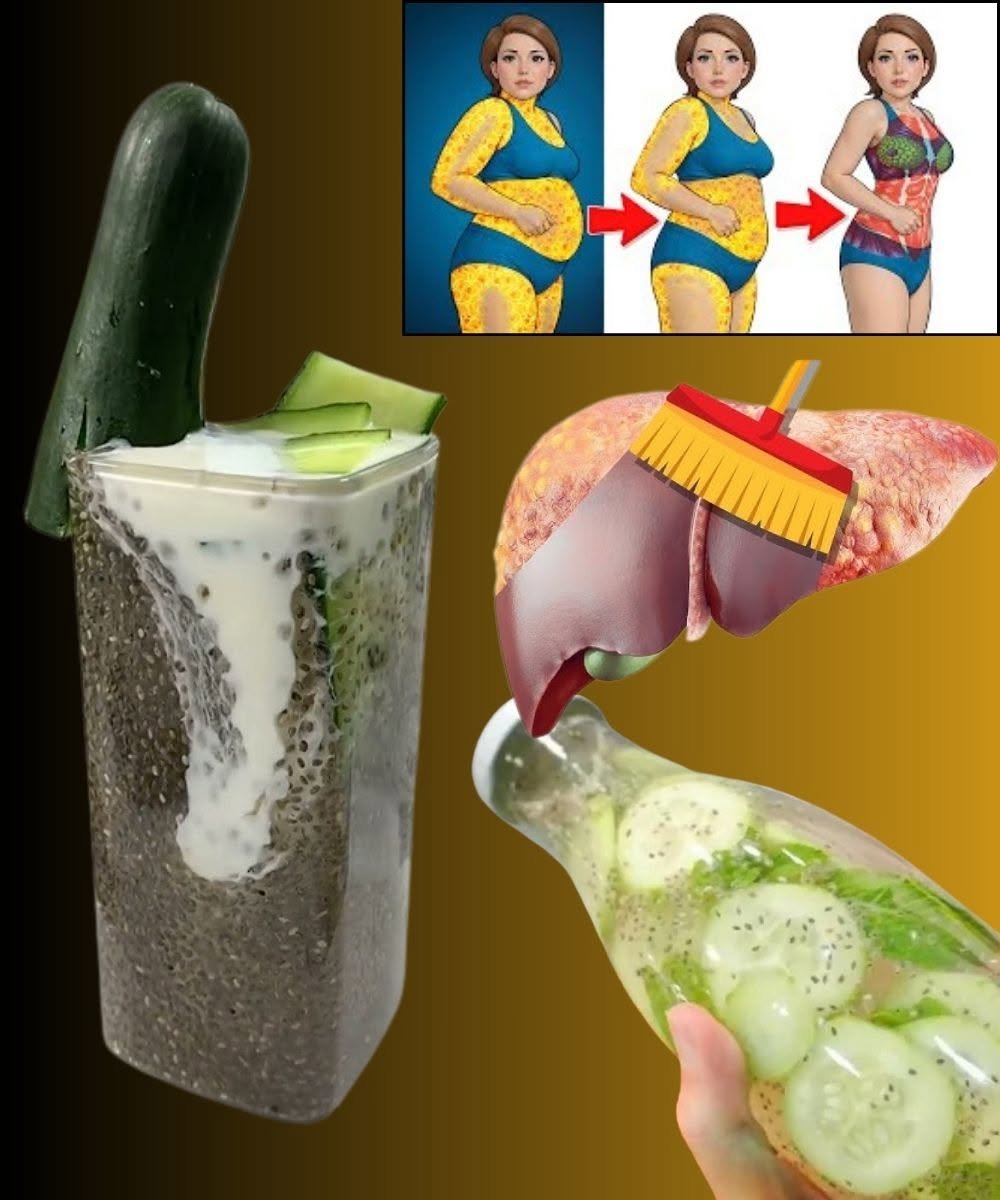
Cucumber is mostly water and is naturally low in calories. It can be a refreshing addition to a balanced eating plan, especially if you are trying to replace high-calorie snacks.
It also provides small amounts of vitamin K and other nutrients.
However, cucumber does not directly detoxify the liver or burn belly fat.
How to consume it:
- Add sliced cucumber to salads.
- Enjoy cucumber with plain yoghurt.
- Add it to a glass of water for flavour.
- Eat it as a low-calorie snack between meals.
4. Choose Fruits Rich in Antioxidants
Fruits provide vitamins, minerals, fibre and beneficial plant compounds.
Berries, oranges, apples and grapes are useful additions to a balanced diet. Their nutrients help support normal body functions and overall health.
Best choices include:
- Apples.
- Oranges.
- Blueberries.
- Strawberries.
- Guava.
- Grapefruit.
Eat whole fruits rather than relying on packaged fruit juices, which may contain added sugar or lack the fibre found in whole fruit.
5. Add Garlic to Your Meals
Garlic contains naturally occurring sulphur compounds and other plant chemicals that have been studied for their potential health effects.
It can be a flavourful addition to a healthy eating pattern.
However, garlic should not be considered a liver-cleansing medicine or a treatment for fatty liver disease.
How to consume it:
- Add fresh garlic to vegetable dishes.
- Use it in homemade soups.
- Combine it with lean protein and vegetables.
- Use moderate amounts according to your taste.
6. Choose Healthy Protein Sources
Protein is essential for maintaining muscles, supporting tissue repair and keeping you satisfied after meals.
Choosing nutritious protein sources can also make it easier to manage your weight.
Good options include:
- Eggs.
- Fish.
- Skinless chicken.
- Lentils.
- Chickpeas.
- Beans.
- Plain yoghurt.
Try to include a source of protein in your main meals rather than relying heavily on refined carbohydrates.
7. Replace Sugary Drinks with Healthier Alternatives
Regular consumption of sugary beverages can contribute to excess calorie intake and weight gain.
Excess body weight, particularly around the abdomen, is associated with an increased risk of metabolic dysfunction-associated steatotic liver disease (MASLD), formerly known as non-alcoholic fatty liver disease.
Healthier alternatives include:
- Plain water.
- Unsweetened green tea.
- Water infused with cucumber.
- Unsweetened herbal tea.
Remember that green tea is a beverage, not a liver detox treatment. Avoid concentrated green tea extracts, which have been associated with liver injury in some people.
8. Reduce Fried Foods and Highly Processed Snacks
Fried foods, sugary snacks and highly processed meals can make it harder to maintain a healthy weight.
Frequently consuming excess calories can contribute to fat accumulation in the liver, particularly when combined with physical inactivity.
Try these simple replacements:
| Instead of | Choose |
|---|---|
| Fried snacks | Roasted chickpeas |
| Sugary drinks | Plain water |
| Cakes and pastries | Fresh fruit |
| Deep-fried chicken | Grilled chicken |
| Refined snacks | Unsalted nuts |
| Sugary breakfast cereal | Oats |
You do not need to change everything overnight. Start by making one or two healthier substitutions each day.
Your Simple 14-Day Liver-Friendly Eating Plan
This two-week plan focuses on nutritious foods, balanced meals and healthier lifestyle habits. It is not a medical detox or a guaranteed weight-loss programme.
Week 1: Build Healthier Eating Habits
Day 1
- Breakfast: Oatmeal with plain yoghurt.
- Lunch: Grilled chicken with cucumber salad.
- Dinner: Vegetable soup with wholegrain bread.
- Activity: 20-minute walk.
Day 2
- Breakfast: Two boiled eggs and wholegrain toast.
- Lunch: Lentil curry with a small portion of brown rice.
- Dinner: Grilled fish with broccoli.
- Activity: 25-minute walk.
Day 3
- Breakfast: Plain yoghurt with almonds and an apple.
- Lunch: Chickpea salad with cucumber and tomatoes.
- Dinner: Chicken and vegetable soup.
- Activity: 20-minute walk.
Day 4
- Breakfast: Vegetable omelette.
- Lunch: Grilled chicken with brown rice.
- Dinner: Spinach and lentil curry.
- Activity: 25-minute walk.
Day 5
- Breakfast: Oats with milk and berries.
- Lunch: Homemade fish with mixed vegetables.
- Dinner: Chickpea and cucumber salad with yoghurt.
- Activity: 20-minute walk.
Day 6
- Breakfast: Boiled eggs and wholegrain toast.
- Lunch: Chicken and vegetable salad.
- Dinner: Lentil soup with a small wholegrain roti.
- Activity: 30-minute walk.
Day 7
- Breakfast: Plain yoghurt with fruit.
- Lunch: Homemade chicken curry with a moderate portion of rice.
- Dinner: Grilled vegetables and fish.
- Activity: Light walking and stretching.
Week 2: Continue and Strengthen Your Routine
Day 8
- Breakfast: Oatmeal with almonds.
- Lunch: Grilled chicken and cucumber salad.
- Dinner: Vegetable and lentil soup.
- Activity: 30-minute walk.
Day 9
- Breakfast: Two boiled eggs and fruit.
- Lunch: Chickpea curry with wholegrain roti.
- Dinner: Grilled fish and broccoli.
- Activity: 25-minute walk.
Day 10
- Breakfast: Plain yoghurt with berries.
- Lunch: Chicken and vegetable rice.
- Dinner: Spinach and lentil curry.
- Activity: 30-minute walk.
Day 11
- Breakfast: Vegetable omelette and wholegrain toast.
- Lunch: Grilled fish with salad.
- Dinner: Homemade vegetable soup.
- Activity: 25-minute walk.
Day 12
- Breakfast: Oats with milk and an apple.
- Lunch: Chicken and chickpea salad.
- Dinner: Grilled vegetables with lentils.
- Activity: 30-minute walk.
Day 13
- Breakfast: Boiled eggs and cucumber.
- Lunch: Homemade chicken curry with a moderate portion of rice.
- Dinner: Fish with steamed vegetables.
- Activity: 30-minute walk.
Day 14
- Breakfast: Plain yoghurt with almonds and fruit.
- Lunch: Grilled chicken with mixed vegetables.
- Dinner: Lentil soup and wholegrain roti.
- Activity: A comfortable 30-minute walk.
Adjust portions according to your age, activity level, nutritional needs and health conditions. You can also substitute foods with locally available alternatives.
5 Lifestyle Habits That Support Liver Health
Healthy eating is only one part of maintaining a healthy liver. Your daily habits also matter.
1. Maintain a Healthy Weight
Excess body fat, particularly abdominal fat, can increase the risk of fatty liver disease.
If you are overweight, gradual and sustainable weight loss may help reduce liver fat. Avoid crash diets and extreme fasting.
2. Exercise Regularly
Physical activity supports cardiovascular health, improves insulin sensitivity and helps manage body weight.
Try:
- Brisk walking.
- Cycling.
- Swimming.
- Resistance training.
- Other activities you enjoy.
Aim for at least 150 minutes of moderate-intensity physical activity each week, if your health permits.
3. Limit or Avoid Alcohol
Alcohol can damage liver cells, and excessive consumption increases the risk of liver disease.
Avoiding alcohol is particularly important for anyone with existing liver problems.
4. Be Careful with Supplements
Some herbal products, weight-loss supplements and concentrated extracts can cause liver injury.
Do not assume that a product is safe simply because it is labelled natural or herbal. Speak to a healthcare professional before taking supplements.
5. Get Enough Sleep
Good-quality sleep supports metabolic health and overall wellbeing.
Try to maintain a consistent sleeping schedule and aim for approximately seven to nine hours of sleep each night as an adult.
Frequently Asked Questions
Can you detox your liver in 14 days?
Your liver already has its own natural systems for processing substances and removing waste. No special diet, juice or drink has been proven to detoxify the liver in 14 days. However, two weeks of healthier habits can be a useful starting point for improving your overall health.
Does cucumber water clean the liver?
Cucumber water can help you stay hydrated, particularly if it encourages you to drink more water. However, there is no reliable evidence that it removes toxins from the liver or treats fatty liver disease.
Can you lose belly fat in two weeks?
Some people may notice changes in weight or bloating within two weeks, but significant fat loss generally takes longer. Sustainable weight management requires consistent dietary habits and physical activity.
Which foods are best for liver health?
Vegetables, whole fruits, whole grains, legumes, nuts, olive oil and fish are useful components of a Mediterranean-style eating pattern associated with better metabolic and liver health.
What are the warning signs of liver problems?
Possible symptoms include persistent fatigue, yellowing of the skin or eyes, dark urine, abdominal swelling, unexplained itching and discomfort in the upper-right abdomen. Some liver conditions cause no obvious symptoms in their early stages.
Seek medical advice if you experience concerning symptoms. Sudden jaundice, confusion, vomiting blood or severe abdominal swelling require urgent medical assessment.
Final Thoughts
Your liver works continuously to support digestion, metabolism and the body’s natural processes. Rather than relying on expensive detox drinks or extreme diets, focus on giving your body the nutrients and healthy habits it needs.
Start with simple changes: eat more vegetables, include cucumber and whole fruits, choose lean protein, drink enough water, reduce sugary beverages and stay physically active.
Remember: You do not need a 14-day miracle detox to support your liver. Consistent healthy habits are far more valuable for your long-term health.
Medical Disclaimer: This article is for educational purposes only and does not replace professional medical advice. Anyone with diagnosed liver disease, persistent symptoms or concerns about liver function should consult a qualified healthcare professional. Do not stop prescribed medication or begin a restrictive diet without medical guidance.