Destroys heart attack, atherosclerosis, cholesterol, diabetes
Destroys heart attack, atherosclerosis, cholesterol, diabetes (Stop spending at the pharmacy)
Chickpeas: Health Benefits, Nutrition, and Easy Ways to Eat Them
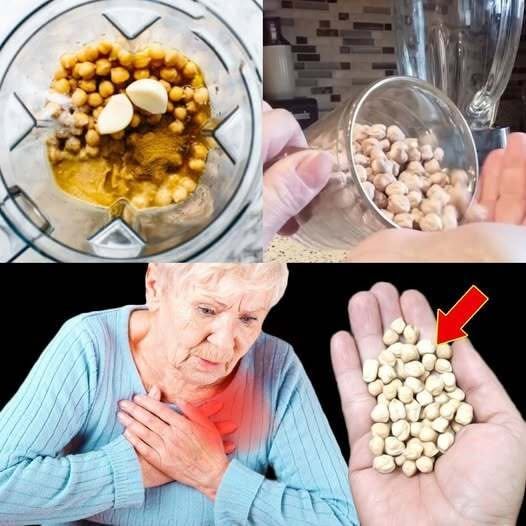
Chickpeas, also known as garbanzo beans, are nutritious, versatile, and affordable legumes. They provide fiber, plant-based protein, vitamins, minerals, and antioxidant compounds, making them a useful addition to a balanced diet.
Why Chickpeas Are Good for Heart Health
Chickpeas provide dietary fiber along with minerals such as potassium and magnesium. Including legumes as part of a balanced eating pattern can support cardiovascular health.
Chickpeas and Cholesterol
The soluble and insoluble fiber found in chickpeas can contribute to healthy cholesterol levels. Fiber may help reduce the amount of cholesterol absorbed from food and support overall heart health.
Chickpeas and Arterial Health
Atherosclerosis involves the buildup of plaque in the arteries. Chickpeas contain fiber and various plant compounds that can be part of a heart-healthy dietary pattern. However, chickpeas should not be considered a treatment for atherosclerosis.
Chickpeas and Blood Sugar
Chickpeas contain fiber and protein, which can slow digestion and help produce a more gradual rise in blood glucose compared with many refined carbohydrate foods. This makes them a useful food choice for people focused on balanced meals.
Rich in Fiber and Plant-Based Protein
One of the biggest nutritional advantages of chickpeas is their combination of dietary fiber and plant-based protein. These nutrients can help support digestive health and contribute to feelings of fullness after meals.
Antioxidant and Anti-Inflammatory Compounds
Chickpeas contain several naturally occurring plant compounds with antioxidant activity. A diet rich in legumes, vegetables, fruits, whole grains, and other plant foods can help support overall health.
Easy Ways to Add Chickpeas to Your Diet
1. Add Chickpeas to Salads and Soups
Mix chickpeas into salads, soups, or grain bowls for additional fiber and plant-based protein.
2. Make Homemade Hummus
Blend chickpeas with tahini, lemon juice, garlic, olive oil, and seasonings to make a creamy homemade hummus.
3. Enjoy Roasted Chickpeas
Roast chickpeas with your favorite herbs and spices for a crunchy snack or salad topping.
4. Add Chickpeas to Main Meals
Chickpeas work well in curries, stews, wraps, rice dishes, and vegetable bowls.
How Much Chickpeas Should You Eat?
There is no universal requirement to eat ½ cup of chickpeas every day. Portion size can depend on your overall diet, calorie needs, and individual tolerance.
If you are not used to eating legumes, start with a smaller serving and gradually increase it. This may help your digestive system adjust to the additional fiber.
Possible Side Effects of Eating Chickpeas
Chickpeas are generally well tolerated, but their fiber and certain carbohydrates can cause gas, bloating, or digestive discomfort in some people, especially when eaten in large amounts.
Drinking enough water and increasing fiber gradually may help.
Important Considerations for People With Health Conditions
Chickpeas can be part of a healthy diet, but they should not be presented as a replacement for prescribed medication or medical treatment for diabetes, high cholesterol, heart disease, or atherosclerosis.
If you have a medical condition, take medication, or have specific dietary restrictions, speak with your healthcare professional about the appropriate amount for your diet.
Conclusion
Chickpeas are an affordable and versatile source of fiber, plant-based protein, vitamins, minerals, and beneficial plant compounds. Adding them to salads, soups, hummus, roasted snacks, and everyday meals can be an easy way to make your diet more nutritious.
For the greatest health benefits, enjoy chickpeas as part of an overall balanced eating pattern rather than relying on them as a treatment for a specific disease.