Dentists Won’t Tell You This? The Truth About Natural Ways to Remove Tartar and Whiten Teeth at Home
Dentists Won’t Tell You This? The Truth About Natural Ways to Remove Tartar and Whiten Teeth at Home
A bright smile is something many people want, and it’s no surprise that natural teeth-whitening remedies have become popular online. From baking soda to coconut oil, countless home treatments promise to remove tartar and whiten teeth without expensive dental procedures.
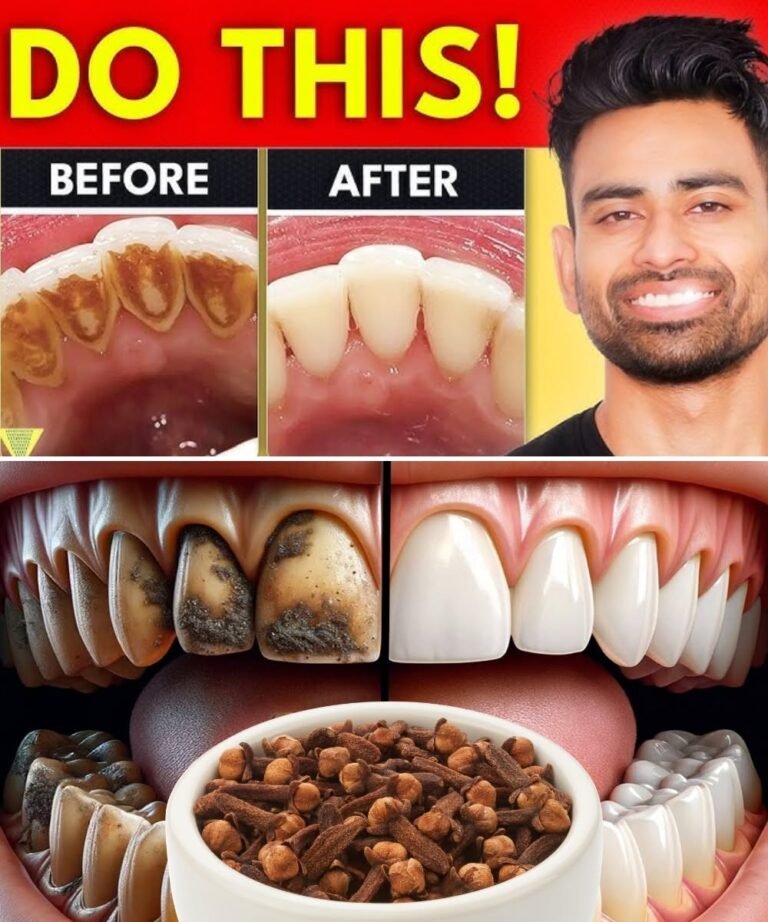
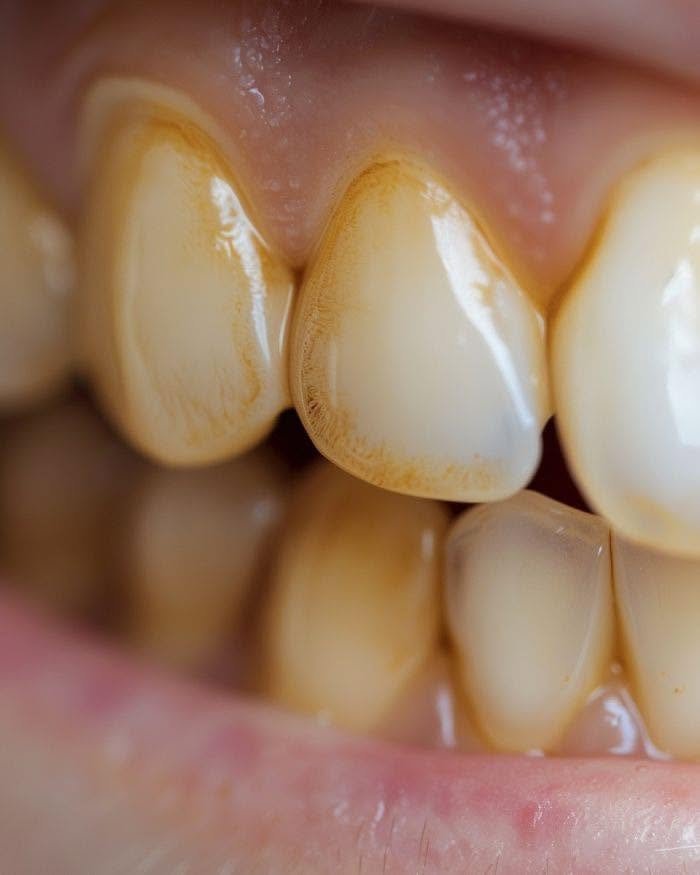
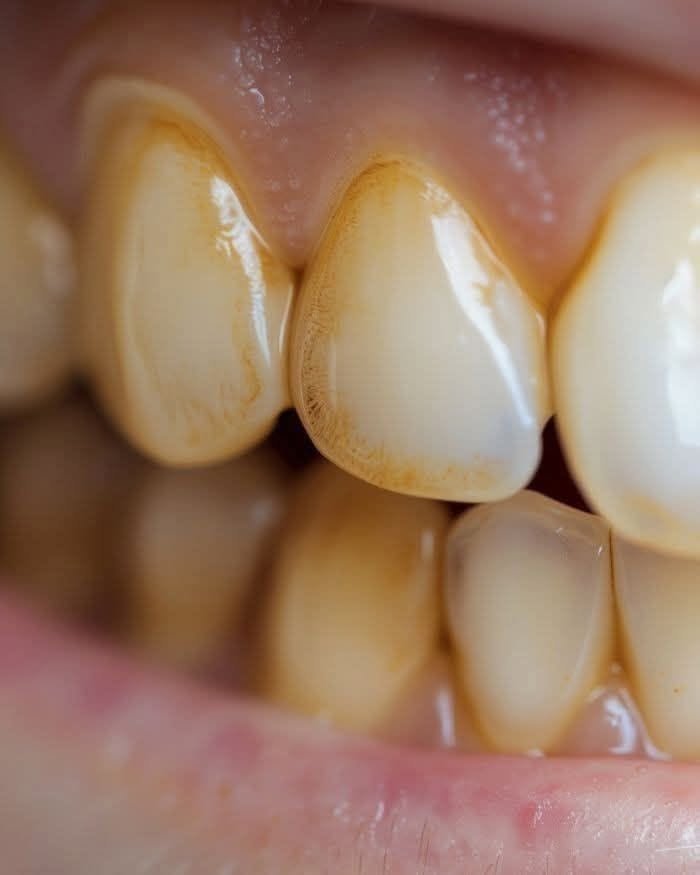
But here’s the truth: while some natural methods may help reduce surface stains and support good oral hygiene, hardened tartar cannot be removed at home. Once plaque hardens into tartar, it must be removed by a dental professional.
That said, several simple home practices can help keep your teeth cleaner, fresher, and healthier between dental visits.
1. Brush with Baking Soda (Occasionally)
Baking soda is a mild abrasive that can help polish away some surface stains caused by coffee, tea, or certain foods.
How to use:
- Wet your toothbrush.
- Dip it into a small amount of baking soda.
- Brush gently for about 2 minutes.
- Rinse thoroughly.
Tip: Limit use to 1–2 times per week, as excessive scrubbing may wear down tooth enamel over time.
2. Try Oil Pulling
Oil pulling is an ancient oral hygiene practice that involves swishing oil around your mouth to help reduce bacteria.
Popular oils include:
- Coconut oil
- Sesame oil
How to do it:
- Swish 1 tablespoon of oil for 10–15 minutes.
- Spit it into the trash (not the sink).
- Rinse your mouth and brush your teeth.
Some studies suggest oil pulling may reduce plaque and improve breath, but it won’t remove tartar.
3. Eat Crunchy Fruits and Vegetables
Crunchy foods naturally stimulate saliva and may help remove food particles from teeth.
Good choices include:
- Apples
- Carrots
- Celery
- Cucumbers
These foods support oral health but should never replace brushing or flossing.
4. Use Hydrogen Peroxide Carefully
A diluted hydrogen peroxide rinse may help reduce bacteria and lighten some surface stains.
How to use:
- Mix equal parts 3% hydrogen peroxide and water.
- Swish for 30 seconds.
- Spit out and rinse with water.
Do not swallow the solution, and avoid frequent use unless recommended by your dentist.
5. Maintain Excellent Daily Oral Hygiene
The most effective way to prevent tartar is by stopping plaque before it hardens.
Daily habits include:
- Brush twice a day with fluoride toothpaste.
- Floss once daily.
- Clean your tongue.
- Drink plenty of water.
- Limit sugary snacks and drinks.
6. Skip Abrasive DIY Trends
Some viral remedies may do more harm than good.
Avoid:
- Scrubbing with activated charcoal every day
- Lemon juice or vinegar directly on teeth
- Sharp tools to scrape tartar
- Excessive baking soda use
These methods can damage enamel or irritate your gums.
Can You Remove Tartar Naturally?
No. Once tartar forms, home remedies cannot remove it safely.
Professional dental cleanings use specialized instruments to remove hardened deposits without damaging your teeth.
Tips for a Naturally Brighter Smile
- Drink water after coffee, tea, or soda.
- Eat a balanced diet rich in fruits and vegetables.
- Avoid smoking or chewing tobacco.
- Visit your dentist for regular cleanings.
- Replace your toothbrush every 3–4 months.
Frequently Asked Questions
Can baking soda whiten teeth?
It may help remove some surface stains, but it does not bleach teeth.
Does oil pulling remove tartar?
No. It may reduce bacteria and plaque but cannot remove hardened tartar.
Can activated charcoal whiten teeth?
It may remove some surface stains, but evidence is limited, and frequent use can be abrasive.
How often should I have my teeth professionally cleaned?
Most people benefit from a dental cleaning every six months, though your dentist may recommend a different schedule based on your oral health.
Final Thoughts
Natural remedies can support good oral hygiene and help reduce minor surface stains, but they are not a substitute for professional dental care. The best way to keep your teeth healthy is to combine consistent brushing, flossing, a balanced diet, and regular dental checkups.
A healthy smile isn’t built overnight—it’s the result of small, consistent habits that protect your teeth every day.