
Dental Health and Cavity Prevention 2026: Dental Insurance, Preventive Care, and Financial Planning
1. Dental Insurance and Health Insurance Coverage for Preventive Dentistry
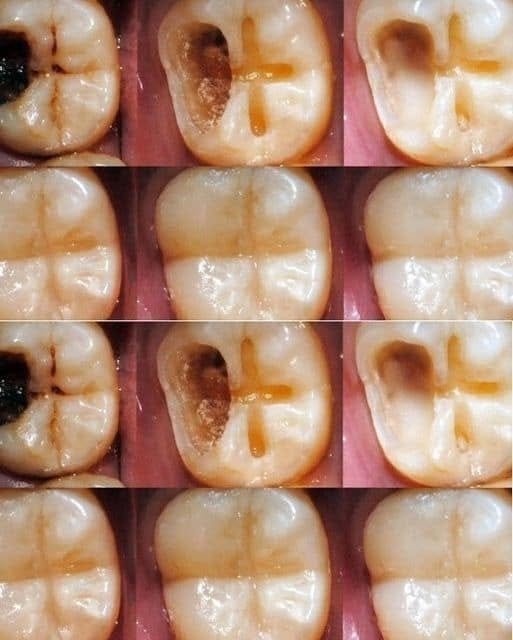
Dental cavities, also called dental caries, are areas of decayed tooth enamel that require professional dental care. Once a cavity forms, it cannot be reversed at home and must be evaluated by a licensed dentist.
Most PPO, HMO, and many health insurance or Medicare Advantage plans include dental benefits that cover biannual cleanings, exams, fluoride treatments, and X-rays. Using these preventive benefits early helps detect decay before it becomes costly or painful.
2. Preventive Dental Care, Nutrition, and Evidence-Based Oral Health
The American Dental Association recommends fluoride toothpaste, daily brushing twice a day, flossing, and limiting sugary drinks and snacks to reduce cavity risk.
The nutraceutical and oral care market includes fluoride rinses, xylitol gum, and probiotic products, but no home remedy can “repair” an existing cavity. Early-stage enamel demineralization may be managed by a dentist with fluoride or sealants, but self-treatment delays care and increases medical costs.
Always consult a dentist for any pain, sensitivity, or visible holes in teeth.
3. Dental Costs, FSA/HSA Accounts, and Financial Planning
Delaying dental care often leads to more extensive and expensive procedures like fillings, crowns, or root canals. This is where financial planning matters.
Dental insurance, FSA, and HSA accounts can be used for eligible dental expenses. Many dental offices also offer payment plans.
Comparing top dental insurance quotes and understanding your plan’s preventive coverage helps you budget for care and avoid unexpected bills.
4. Wellness Programs, Preventive Healthcare, and Long-Term Oral Health
Many employer health insurance plans and Medicare wellness programs include oral health education, smoking cessation, and nutrition counseling that supports dental health.
Preventive habits like regular dental visits, hydration, and a balanced diet are more effective than viral “natural repair” claims.
Pairing evidence-based oral care with proper dental insurance is the most cost-effective way to protect your smile.
5. Final Thoughts on Dental Advice, Insurance, and Professional Care
If you see a dark spot, hole, or feel pain in a tooth, schedule an appointment with a licensed dentist right away.
Do not try to self-treat cavities at home. Use your dental insurance or health plan benefits for exams and treatment.
This information is for general awareness only and is not a substitute for professional dental advice. Preventive dental care plus the right coverage is the safest path to oral health.