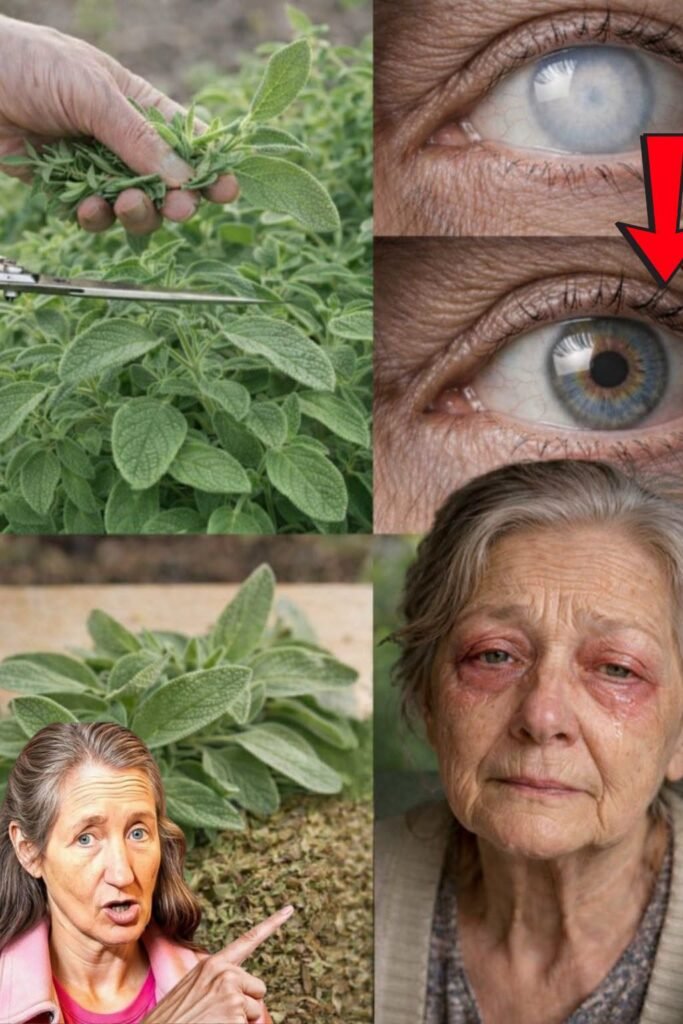
Could Cuban Oregano (Plectranthus amboinicus) Support Clearer Vision Naturally?
Cuban Oregano – Herb Facts vs Viral Claims
1. What Cuban Oregano Actually Is
Also called Indian borage, Mexican mint, or Plectranthus amboinicus. Thick, fuzzy leaves with a strong oregano-like smell.
Used in Caribbean, Indian, and Latin cooking and traditional remedies.
2. What It Offers Nutritionally
Vitamins: Vitamin C for immunity and antioxidant support. Contains small amounts of vitamin A precursors that contribute to a healthy diet.
Minerals: Small amounts of iron and calcium.
Compounds: Carvacrol and thymol – studied in laboratory settings for antimicrobial properties.
Flavonoids: Plant antioxidants.
Important: Getting vitamins A and C from a balanced diet supports overall health, including eye tissues. But that’s indirect and not the same as treating eye disease.
3. Viral Claims vs Reality for Eyes
| Claim | Evidence Level | What’s True |
|---|---|---|
| Clears blurred vision/cataracts | None | Myth. No studies show it reverses cataracts or restores vision. |
| Eye drops or compresses work | Anecdotal/Risky | Can cause irritation, infection, or injury. |
| Improves sight quickly | None | Vision changes should be evaluated by an eye care professional. |
Putting herbs or oils directly in or near the eyes is not safe. The eye is very sensitive.
4. Safe Traditional Ways To Use It
Tea: 2–3 fresh leaves steeped in hot water. Traditionally used in some cultures for coughs, colds, and digestive discomfort, though high-quality clinical evidence is limited.
Culinary: Chop into soups, stews, and beans. Mild oregano-like flavor.
Topical: Diluted in a carrier oil for skin use. Never on the eyes or mucous membranes.
5. What Actually Supports Eye Health
Eye health experts recommend:
- Diet: Lutein and zeaxanthin from spinach and kale. Omega-3s from salmon and sardines. Vitamin C from citrus fruits and bell peppers.
- Protection: Wear UV-blocking sunglasses outdoors.
- Habits: Follow the 20-20-20 rule for screen use, avoid smoking, and get adequate sleep.
- Check-ups: Regular eye exams with an ophthalmologist. Cataracts and other eye conditions require professional diagnosis and treatment.
Key Takeaway
Cuban oregano is a great kitchen herb and part of traditional wellness. Laboratory studies suggest it contains beneficial plant compounds, but there is no reliable clinical evidence that it improves vision, reverses cataracts, or treats eye disease. Eye drops or compresses made from Cuban oregano can be dangerous.
For blurry vision, eye pain, or cataract concerns → see an ophthalmologist. That’s the safest path.
Want 5 eye-friendly foods you can add to meals with Cuban oregano? Comment “Send eye foods” and I’ll share them 💬
Disclaimer: This article is for informational and educational purposes only. It is not medical advice. Cuban oregano does not diagnose, treat, cure, or prevent eye disease. For vision concerns, consult a licensed ophthalmologist.